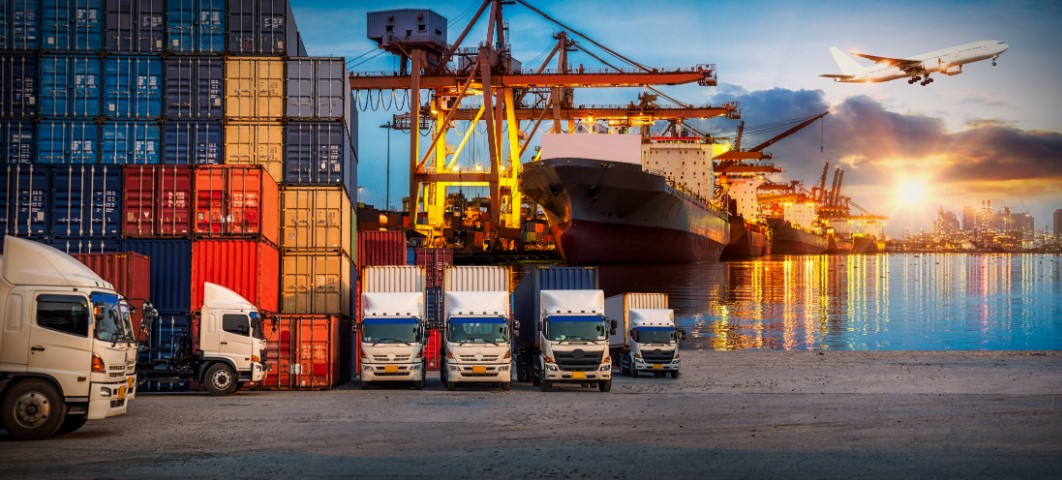
Transport networks form the spine of commerce. From port to shelf, goods travel through a vast, connected system. Still, even top logistics companies face a common obstacle: delays. Shipments get held at customs, lorries break down, or drivers get stuck in traffic. These small disruptions ripple across the supply chain, causing missed deadlines and rising costs.
In recent years, a quiet but clear shift has taken root. Businesses have started to weave digital tools into their everyday operations. Sensors, data dashboards, and automation systems—these no longer sit in the future. They work now, every day, helping to cut down delay and confusion.
So, can technology fix delays in transport and logistics? Let’s unpack this, step by step.
Understanding the Problem
Delays come from more than just traffic. Breakdowns happen. Inventory runs low. Paperwork piles up. In many cases, the issue stems from information gaps.
Here’s a simple example: A container leaves a warehouse but never reaches the port. The firm has no clue where it went wrong—was it stuck in traffic? Lost in transit? Held for inspection?
Without visibility, reaction comes too late. This leads to extra storage fees, overtime costs, or even cancelled contracts.
Technology steps in here, not with magic, but with clarity.
Real-Time Tracking Builds Trust
GPS tracking helps logistics firms keep tabs on each truck, crate, or pallet. Location data flows into control centres. Managers then track routes, spot delays, and alert partners early.
Imagine a driver stuck behind a roadblock. The system sends a warning, and dispatchers reroute another lorry to pick up the goods instead. The first driver continues safely, but the shipment still arrives on time.
This sort of adjustment only works when the system sees the full picture.
-
Fleet Telematics
Fleet systems now monitor not just location but driver behaviour, engine temperature, and fuel levels. These tools catch early signs of trouble—flat tyres, overheating, or long idle times. Early action beats last-minute fixes every time.
Automation Speeds Up Repetitive Tasks
Many delays occur not on the road, but behind desks. Paper records, manual entries, or repeated phone calls eat up time.
Automation helps by:
- Assigning drivers based on traffic
- Filling customs forms using saved data
- Sending pickup notices automatically
In ports and warehouses, machines now load and sort goods without stopping. Drones scan shelves. Robots shift boxes. These changes may seem small, but over time, they slash waiting hours.
Predictive Analytics for Better Planning
Some tools go one step further. They don’t just track current jobs—they forecast the next problem.
How It Works:
Predictive software uses past data to spot patterns.
For example:
- Route A takes longer on Fridays
- Port B always slows down after the holidays
- Truck C breaks down after 200 trips
Once the system sees these signs, it adjusts its plans. It may suggest a different route or warn a manager to schedule repairs.
This smart use of history turns delays into learning points.
Blockchain for Trusted Records
Trade relies on trust. When papers get lost or altered, goods stall. Blockchain technology locks data in safe, unchangeable blocks.
Key Benefits
- Every change leaves a trace
- Partners can check the record anytime
- No central system can fail or cheat
Singapore’s government even tested blockchain to track cargo movement from factory to store. With secure digital stamps, customs can clear shipments faster.
Internet of Things (IoT) Connects Equipment
The Internet of Things links physical tools—trucks, forklifts, containers—with software. Each object “talks” through small sensors.
For example:
- A crate senses its own tilt and alerts staff if it falls
- A refrigerated truck sends a message if its cooling fails
- A loading dock knows when goods arrive and lights up
These updates remove guesswork. Staff no longer need to walk around and check. They respond to facts.
A Table for Comparison
Here’s a look at common delay causes and the tech solutions now used to address them:
| Delay Cause | Tech Fix | Result |
| Driver stuck in traffic | GPS with real-time traffic data | Reroute faster, reduce waiting |
| Long customs checks | Pre-filled digital paperwork | Clear entry points quicker |
| Manual warehouse sorting | Automated pick-and-place robots | Speed up loading and shipping |
| Misplaced shipments | Barcode or RFID tagging | Trace goods without delay |
| Unexpected breakdowns | Fleet monitoring sensors | Schedule repairs before failure |
This shows how digital tools solve real-world hold-ups.
How Transport and Logistics Respond in Singapore?
Singapore stands as a global trade centre. Its port ranks among the world’s busiest. So, how do firms keep things flowing?
Transport and logistics firms here blend software with discipline. They use sensors on cargo ships. They track air freight in real-time. They adjust delivery schedules using dashboards.
Some even share data across rivals to avoid road jams during peak season.
This open, tech-first culture allows quicker fixes and smoother movement.
Where Challenges Still Linger?
Even with great tools, problems still exist.
1. High Cost of Tech
- Some tools remain costly. Smaller firms struggle to afford smart systems. Governments often step in with grants, but adoption still moves slowly.
2. Data Overload
- With too many screens, teams drown in updates. Smart systems help—but only if people use them well.
- Training becomes key. Staff must know what the data means and how to act fast.
3. Tech Cannot Replace All Workers
- Automation lifts speed, but humans still think better. A machine may load crates faster, but a person solves conflicts, talks to drivers, and handles breakdowns.
Role of a Logistics Company in Singapore
A logistics company in Singapore now does more than move goods. It becomes a data hub, a problem solver, and a planning partner.
Here’s how:
- They forecast customer demand
- They optimise delivery routes based on live data
- They offer eco-friendly delivery windows to reduce idle time
These firms now operate like tech start-ups—fast, responsive, and hungry to improve.
Many firms partner with local universities or tech labs. They test drones, AI schedules, and port sensors before full launch.
Steps to Start the Shift
For companies still running mostly offline, the move to smart systems feels big. But it doesn’t require a full rebuild.
Start small:
- Track delivery trucks using mobile GPS apps
- Use barcode scanners instead of manual lists
- Digitise order logs into a shared cloud folder
- Train dispatchers on simple routing tools
Each step builds habits. Once teams trust the tech, bigger upgrades follow.
What to Expect Next?
The future holds even tighter integration:
- Delivery robots may move small goods in cities
- AI could adjust port schedules based on live weather
- Ships may navigate with near-zero human input
Yet even in this future, one thing stays the same—speed matters. Firms that learn to adjust quickly always stay ahead.
Conclusion
Delays once seemed like part of the job. But now, logistics companies don’t just wait—they act. With smart dashboards, real-time sensors, and data alerts, they move ahead of the problem.
In the world of transport and logistics, Singapore shows what’s possible when tech and discipline meet. Each system brings visibility. Each update brings confidence. When a logistics company in Singapore picks up these tools, it earns more than speed—it earns trust.