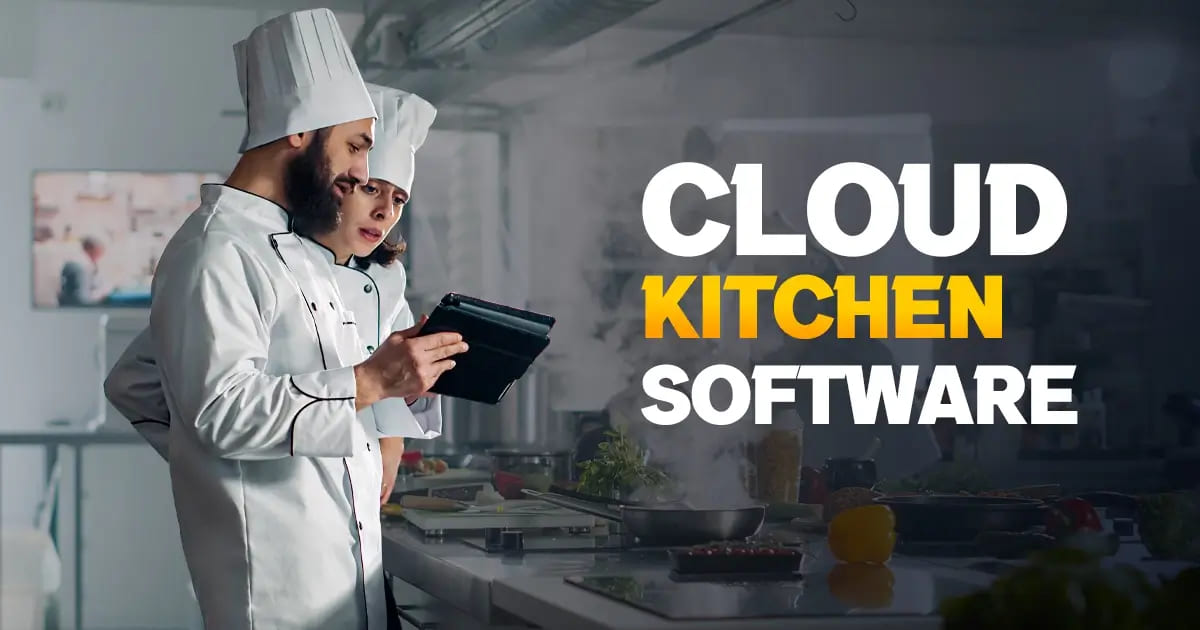
The rise of cloud kitchens—also known as ghost kitchens or virtual kitchens—has significantly changed how food businesses operate. With no dining space and an entirely delivery-based model, cloud kitchens offer lower overhead and greater scalability. However, they come with their own set of unique challenges. From managing multiple food brands to ensuring smooth logistics and customer satisfaction, operational efficiency is critical.
This is where custom-built solutions from a Cloud Kitchen Management Software Development Company can make a substantial difference. In this article, we’ll explore the key challenges faced by cloud kitchens and how tailored software solutions are addressing them through intelligent automation and real-time insights.
1. Inventory and Supply Chain Management
Challenge:
Cloud kitchens typically serve multiple cuisines or brands from one location. Managing raw materials, keeping track of stock levels, minimizing wastage, and ensuring timely reordering becomes a complex task.
Software Solution:
With advanced Cloud Kitchen Management Software Development, businesses can implement real-time inventory tracking. The software can notify managers about low stock, suggest reorder quantities based on sales trends, and even integrate with suppliers for automated restocking. This minimizes human error, reduces food wastage, and ensures uninterrupted service.
2. Order Management from Multiple Platforms
Challenge:
Cloud kitchens often rely on multiple food aggregators like Swiggy, Zomato, Uber Eats, and direct online orders. Without a unified order management system, handling orders manually from different platforms can lead to missed or delayed orders.
Software Solution:
A centralized dashboard developed by a professional Cloud Kitchen Management Software Development Company can streamline order flow by integrating all third-party platforms. The kitchen receives all incoming orders in real time, prioritized based on delivery times and food prep time. This reduces chaos in the kitchen and improves customer satisfaction.
3. Multiple Brand Management
Challenge:
Running several brands from a single kitchen is common in the cloud kitchen model, but it becomes complicated without clear operational boundaries. Each brand may have a unique menu, prep time, and packaging style.
Software Solution:
Cloud kitchen software can separate workflows for each brand while still maintaining a unified backend. It allows for distinct menu configurations, pricing, branding, and analytics. This keeps the operations organized and makes expansion to new brands or cuisines easier to manage.
4. Real-Time Analytics and Reporting
Challenge:
Without real-time analytics, cloud kitchen operators cannot make informed decisions regarding peak sales times, popular dishes, staff productivity, or customer preferences.
Software Solution:
With custom Cloud Kitchen Management Software Development, operators can access dashboards with live data on sales, expenses, kitchen performance, and delivery time metrics. These insights can be used to optimize menu items, streamline staffing, and improve delivery strategies.
5. Kitchen Workflow and Staff Coordination
Challenge:
Coordinating between different kitchen stations and managing a high volume of orders during peak hours can create operational bottlenecks.
Software Solution:
Kitchen Display Systems (KDS) integrated into the software can streamline workflows. Orders are displayed by priority and status (new, in progress, ready). Alerts for delays or prep issues can help managers act swiftly. This leads to faster prep times, better coordination, and reduced customer complaints.
6. Delivery Management and Route Optimization
Challenge:
Cloud kitchens heavily rely on timely deliveries. Poor coordination or inefficient routing leads to late deliveries and dissatisfied customers.
Software Solution:
A powerful feature of advanced software includes real-time delivery tracking and route optimization. Integration with GPS systems ensures drivers take the most efficient path. It also keeps customers informed about estimated delivery times. Delivery personnel can receive automatic assignments based on availability and location.
7. Customer Relationship Management (CRM)
Challenge:
Maintaining a loyal customer base and gathering feedback is tough when the only interaction is digital. Cloud kitchens can lose customers if they don’t personalize experiences or respond to complaints.
Software Solution:
An in-built CRM module can track customer preferences, order history, and feedback. This allows for personalized promotions, loyalty rewards, and timely customer service. Positive interactions foster repeat business and brand loyalty.
8. Billing and Tax Compliance
Challenge:
Generating accurate invoices, tracking daily transactions, and complying with tax regulations can become messy without automation, especially when dealing with multiple brands and platforms.
Software Solution:
Cloud kitchen software can automate invoicing, integrate with accounting software, and generate GST-compliant reports. It reduces manual errors and makes financial audits hassle-free. Real-time financial reports give owners better control over costs and revenues.
9. Scalability Issues
Challenge:
As cloud kitchens expand to multiple locations or cities, maintaining consistency in operations, data, and service quality becomes increasingly difficult.
Software Solution:
Cloud-based kitchen management platforms are inherently scalable. With multi-location support, centralized data access, and role-based permissions, expanding operations becomes seamless. A Cloud Kitchen Management Software Development Company can build software that grows as you grow.
10. Compliance and Food Safety
Challenge:
Ensuring that food is prepared under hygienic conditions and adhering to local food safety standards is crucial. Manual tracking can lead to oversight.
Software Solution:
Cloud kitchen management systems can include checklists for hygiene protocols, automatic temperature logging for cold storage, and real-time quality monitoring. Alerts for deviations ensure that safety standards are met consistently.
Conclusion
The cloud kitchen industry is booming, but operational challenges can quickly eat into profits and harm customer experience. Investing in a custom solution from a Cloud Kitchen Management Software Development Company is not just a smart choice—it’s a necessary one for long-term success.
From inventory to delivery and customer engagement to compliance, every component of a cloud kitchen operation can be optimized using intelligent software. With the right Cloud Kitchen Management Software Development strategy, businesses can achieve better efficiency, higher scalability, and consistent customer satisfaction.