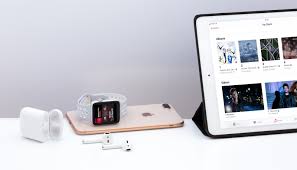
Finding the right music distributor is a critical decision for any artist. In today’s competitive digital landscape, choosing a partner that aligns with your goals can make or break your success. With so many options available, understanding the nuances of distribution platforms can help you navigate the process effectively. Whether you’re releasing your debut single or managing a growing catalog, here’s what you need to know about choosing the right music distributor.
What Does a Music Distributor Do?
A music distributor ensures your songs are available on major streaming platforms and digital stores like iTunes, Spotify, and Amazon Music. They bridge the gap between artists and audiences by handling the technical aspects of distribution, including metadata management, revenue collection, and sometimes promotional support.
The rise of independent distribution services has empowered artists to take control of their careers without relying on traditional record labels. Understanding what distributors offer will help you determine the best match for your needs.
Factors to Consider When Choosing a Distributor
Not all music distributors are created equal. Here are some critical factors to keep in mind:
1. Platform Reach
The primary role of a distributor is to get your music onto platforms where listeners can access it. Before committing to a service, confirm that they distribute to all major platforms like Spotify, iTunes, and Deezer. Some distributors focus on niche markets, while others provide access to global audiences.
2. Pricing Structure
Distributors typically charge either upfront fees, commission on sales, or a combination of both. Evaluate how each pricing model aligns with your budget and revenue goals. For example, paying an upfront fee might be ideal if you prefer retaining 100% of your royalties, while commission-based models might work better if you’re starting out with limited resources.
3. User Interface and Support
As an artist, you’ll interact with your distributor’s platform regularly. Look for a service with an intuitive interface and robust support. A smooth user experience can save you time and frustration, allowing you to focus on creating music.
4. Additional Features
Many distributors offer value-added services like playlist pitching, analytics tools, and marketing support. These extras can significantly enhance your ability to reach new audiences and track your progress.
Understanding the iTunes Distribution Process
iTunes remains one of the most important platforms for artists, offering a vast global audience and robust revenue opportunities. Learning how to navigate its distribution process is key. Services like Upload your music on iTunes step-by-step provide detailed guidance for ensuring your music gets approved and reaches listeners without delays.
The process often involves preparing high-quality audio files, creating eye-catching cover art, and accurately filling out metadata fields like genre, title, and release date. A reliable distributor can help streamline these steps, ensuring your release complies with iTunes’ requirements.
Popular Music Distribution Services
Here are some of the most reputable music distributors in the industry:
1. DistroKid
Known for its affordability and ease of use, DistroKid allows artists to release unlimited tracks for a flat annual fee.
2. TuneCore
Offering a commission-free model, TuneCore is ideal for artists who want full control of their royalties.
3. CD Baby
One of the oldest distribution services, CD Baby is trusted for its comprehensive offerings, including physical CD distribution.
4. AWAL (Artists Without a Label)
AWAL is selective about its artists but offers extensive promotional support and a high revenue share.
5. Symphonic Distribution
A premium service that caters to established artists, Symphonic focuses on customized solutions and advanced analytics.
Why Your Choice Matters
Selecting the right distributor affects more than just your music’s availability. It impacts your branding, revenue, and ability to connect with fans. A poor choice can result in lost royalties, delays in distribution, or limited platform access. On the other hand, a good distributor becomes a partner in your success, providing tools and support to maximize your impact.
The Role of Independent Artists in Distribution
As an independent artist, you have the flexibility to experiment and make decisions tailored to your career. Tools like Upload your music on iTunes step-by-step empower you to take control of your distribution strategy without relying on intermediaries. This autonomy can lead to greater financial and creative freedom.
Conclusion
Choosing the right music distributor is an investment in your future as an artist. By considering factors like platform reach, pricing, and additional features, you can make an informed decision that aligns with your career goals. iTunes continues to be a critical platform for global music distribution, and understanding how to navigate its requirements will give you a competitive edge.
Related Articles:
For further reading, explore these related articles:
For additional resources on music marketing and distribution, visit DMT Records Private Limited.