For home coffee brewers who love exotic beans, Tanzanian Peaberry coffee offers an exciting taste adventure alongside a journey through one of Africa’s most iconic landscapes. Imagine a trip that combines the thrill of climbing Mount Kilimanjaro with the chance to discover how coffee grows in the lush highlands below. It’s more than just a vacation—it’s an opportunity to learn about local traditions and flavors that shape every sip of this prized peaberry variety.
The Allure of Mount Kilimanjaro
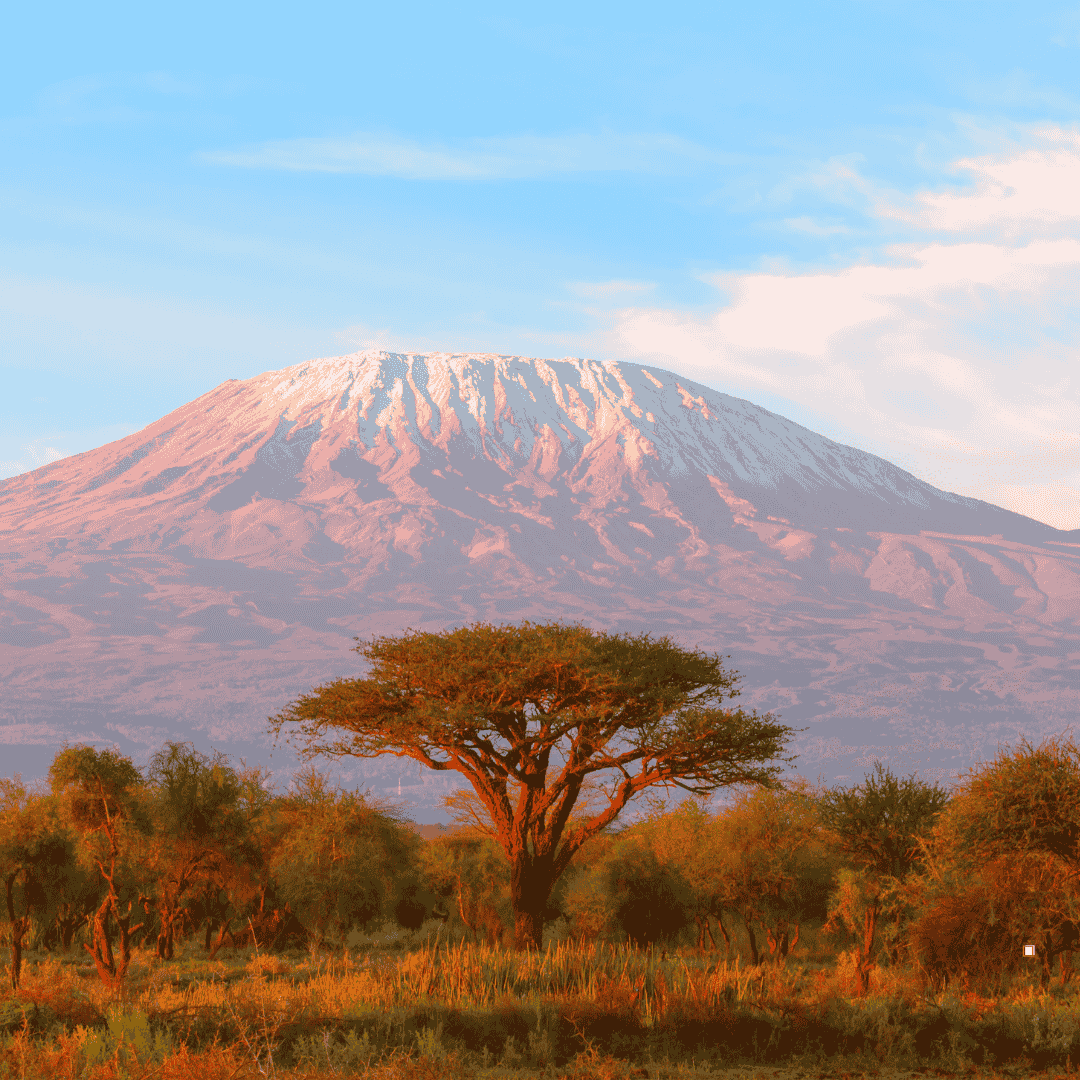
When first hearing about Tanzanian Peaberry coffee, it’s easy to picture rugged mountains and endless fields of green. One of the most captivating sights in the region is Mount Kilimanjaro, Africa’s highest peak. Towering over the surrounding plains, Kilimanjaro draws travelers from across the globe who come to challenge themselves on its routes. Hikers navigate through different climate zones—starting in lush rainforests and moving upwards into alpine deserts—each step revealing a new facet of Tanzania’s diverse ecosystem. Along the way, they meet local guides who often share stories about their communities and the coffee farms that lie scattered around the slopes.
Scaling Kilimanjaro is no small feat, but the reward at the top is tremendous: breathtaking vistas stretching for miles, where dawn breaks in vibrant colors. After the descent, many trekkers find that this sense of achievement pairs perfectly with a freshly brewed cup of Tanzanian coffee, whose bright, fruity undertones echo the lively spirit of the mountain itself. In this sense, coffee culture and mountaineering unite to form an experience that’s both invigorating and soul-stirring.
Discovering the Coffee Farms
Upon encountering Tanzanian Peaberry coffee up close, you’ll quickly understand why it’s considered so unique. Peaberries result when only one bean develops inside the coffee cherry instead of the usual two, creating a smaller, rounder shape. Some aficionados believe peaberries roast more evenly and pack a bit more punch in terms of flavor. As you wander through the farms nestled in Kilimanjaro’s lower elevations, you’ll see rows of coffee trees thriving in volcanic soil, which imparts nutrients that help produce a robust harvest with floral and fruity nuances.
Farmers in this region rely on a combination of traditional knowledge and modern cultivation methods. Many pick cherries by hand to ensure only the ripest ones are chosen. Wet processing is common, but you’ll also encounter farms experimenting with natural or honey processes to highlight different flavor notes. The result is a coffee that carries the essence of the land it’s grown on: clean mountain air, mineral-rich soil, and careful nurturing that extends from seed to cup.
Peaberries and Local Communities
If you’re curious about Tanzanian Peaberry coffee, you’ll soon learn that its success ties closely to the well-being of local communities. Many families depend on coffee farming as a source of income, and co-ops help smallholders pool resources for harvesting, processing, and exporting. Through these cooperatives, farmers gain better access to training and equipment, which improves both yield and quality. This sense of collaboration makes it easier for them to introduce new techniques that preserve the terroir’s integrity while increasing crop resilience in changing climates.
In this region, coffee farms have also become cultural focal points. Festivals celebrating the harvest bring neighbors together to share food, music, and of course, a fresh cup of coffee. Tourists who visit can participate in hands-on experiences—picking cherries, observing the pulping process, and even trying out roasting. Such immersive activities allow guests to connect with the people behind each bean and appreciate the dedication poured into every step.
Savoring Tanzania’s Elevated Flavor
Tanzania’s location near the equator, combined with high altitudes around Kilimanjaro, results in coffee beans known for bright acidity, balanced sweetness, and subtle hints of berry. This lively flavor profile is especially pronounced in peaberries, which many roasters prize for their uniform roast properties. From a home brewer’s perspective, these beans can yield a dynamic cup across various brewing methods—pour-over, French press, drip machine, or even espresso. With each sip, you catch glimpses of tangy fruitiness, a silky texture, and a lingering finish that leaves you craving another brew.
Of course, the key to fully appreciating these beans is experimenting with your grind size, water temperature, and brew time. A slightly finer grind might coax out more sweetness, while a coarser setting can highlight the sparkling acidity. Some find that 200°F (93°C) water is ideal, but you might find your sweet spot by tweaking a degree or two. The beauty of home brewing is that it empowers you to act as both barista and scientist, customizing each cup to your taste.
Bringing It All Together
When you contemplate the journey of Tanzanian Peaberry coffee, it’s impossible not to envision the sweeping slopes of Kilimanjaro, the bustling coffee farms below, and the communities who pour their heart and soul into every harvest. The synergy between land, people, and cultivation practices results in a coffee that encapsulates adventure in every bean. Whether you’ve climbed the mountain yourself or simply admired it from afar, you can partake in its spirit each morning by enjoying a cup that merges exotic flavors with everyday comfort.
Elevate Your Cup with Tanzanian Peaberry Coffee
If your curiosity has been piqued about Tanzanian Peaberry coffee, Frontier Coffee Roasters is here to bring a bit of Kilimanjaro’s magic straight to your kitchen. Through our coffee variety selection, you can try different roasts that highlight this bean’s unique fruitiness and bright acidity. We rely on small batch roasted beans to ensure freshness, offer premium coffee beans via trusted importers, and provide fast delivery so that you’re never too far from your next cup of adventure. Embracing these beans in your daily brewing routine connects you to a story of high-altitude slopes, nurturing farmers, and the ever-present wonder that is Tanzania’s coffee heritage.