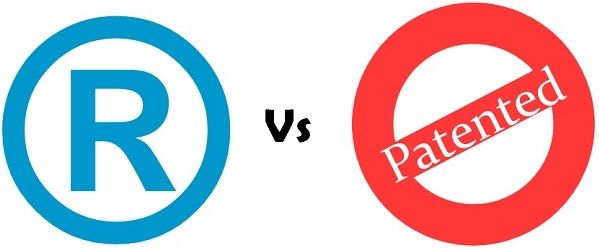
Difference Between Patent and Trademark: A Simple Explanation

When it comes to protecting intellectual property, two common terms often come up: patent and trademark. While both serve the purpose of safeguarding creators’ and businesses’ rights, they function quite differently. Understanding the difference between a patent and a trademark is essential for entrepreneurs, inventors, and creators looking to protect their work.

While both patents and trademarks are forms of intellectual property protection, there are several key differences between the two:

1. Nature of Protection

patent protects an invention or process, ensuring that no one else can produce, use, or sell the patented item without permission. Trademarks, however, protect the identity of goods or services and ensure that consumers can easily identify the source of products or services.

2. Duration of Protection

The duration of protection for patents is typically 20 years from the filing date, after which the invention enters the public domain. Trademarks, in contrast, can last indefinitely as long as they are being actively used in commerce and their renewal fees are paid.

3. What Is Protected

Patents are granted for inventions or discoveries that are new, useful, and non-obvious. These inventions can be products, machines, or methods. Trademarks protect symbols, words, or other identifiers that distinguish one brand’s goods or services from another’s.

4. Application Process

The process of applying for a patent is often more complex and time-consuming than applying for a trademark. Patents require detailed documentation and often need to demonstrate the novelty and usefulness of the invention. In contrast, trademark applications are typically simpler and faster, as they only need to prove that the symbol or word is distinctive enough to represent a brand.

Conclusion

Both patents and trademarks play crucial roles in intellectual property protection. While patents protect inventions and innovations, trademarks safeguard the identity of products and services. Understanding the difference between a patent and a trademark allows creators and businesses to make informed decisions about how to best protect their intellectual property.

If you’re an inventor or business owner, seeking legal advice on patents and trademarks can help ensure that you understand the best strategy for safeguarding your work and brand.

Register Your Trademark & Patent Today !

Purpose of a Patent

Patents are designed to protect inventions that are novel, non-obvious, and useful. This protection ensures that others cannot use the patented invention without permission. Common types of inventions that receive patents include machinery, pharmaceutical products, and even unique processes.

Types of Patents

Patents are legal protections granted for inventions, providing exclusive rights to the inventor for a specified period, typically 20 years. Different types of patents exist, each designed to protect different kinds of inventions. Here are the main types of patents:

1. Utility Patents

  • Purpose: Protects new inventions or discoveries related to the functional aspects of a product, process, machine, or composition of matter.
  • Examples: New machinery, pharmaceuticals, software inventions, chemical compositions, and processes for manufacturing products.
  • Duration: Typically 20 years from the filing date.

2. Design Patents

  • Purpose: Protects the ornamental (non-functional) design of an object or product, including its shape, surface decoration, or configuration.
  • Examples: Decorative elements of consumer products like smartphones, furniture, or vehicle designs.
  • Duration: Typically 15 years from the date of grant (in the U.S.).

3. Plant Patents

  • Purpose: Protects new and distinct varieties of plants that have been asexually reproduced (e.g., through grafting or cutting, not by seeds).
  • Examples: New varieties of flowers, fruits, or trees.
  • Duration: 20 years from the filing date.

4. Provisional Patents

  • Purpose: Not a full patent, but a temporary filing to establish a filing date for an invention. It allows the inventor to use the term “patent pending” while they continue to develop the invention or seek funding.
  • Examples: An inventor who is still working on a product and needs time to finalize their design before filing a complete utility patent.
  • Duration: 12 months, after which a non-provisional patent must be filed if protection is to be maintained.

5. Divisional Patents

  • Purpose: Filed when an applicant wants to split a single patent application into multiple applications, usually because the original application contained more than one invention.
  • Examples: An applicant who filed a utility patent that includes several distinct inventions and wishes to protect each one separately.
  • Duration: Follows the same duration as the original patent application.

6. Continuation Patents

  • Purpose: Filed to modify or continue the examination of a previous patent application, often to include new claims or address office actions.
  • Examples: An inventor who wants to modify or add to the original claims made in a utility patent application.
  • Duration: Follows the same duration as the original patent application.

7. International Patents (PCT)

  • Purpose: A mechanism for obtaining patent protection in multiple countries through a single application, under the Patent Cooperation Treaty (PCT).
  • Examples: An inventor seeking patent protection in multiple countries like the U.S., Europe, Japan, etc.
  • Duration: The PCT application lasts 30 to 31 months before national phase filings are required.

Each patent type serves a distinct purpose, and the requirements for filing, examining, and granting patents vary depending on the jurisdiction and the nature of the invention.

We will be happy to hear your thoughts

Leave a reply

ezine articles
Logo