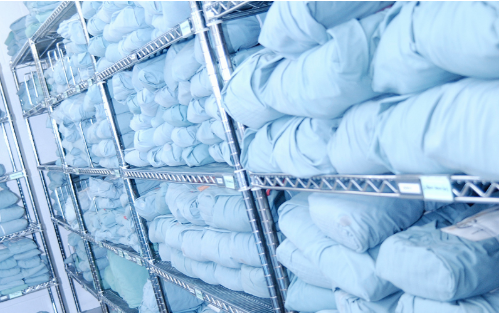
Hospitals encounter an extraordinary demand for personal protective equipment (PPE) during a health crisis. This instance is because PPEs protect healthcare professionals and patients. In this context, PPE suppliers are vital, providing hospitals with necessary safety items, including masks, gloves, and gowns.
As supply chains are strained and healthcare systems function at maximum capacity, the importance of these suppliers has reached unprecedented levels.
Discover how PPE equipment suppliers assist healthcare institutions when combating health emergencies.
5 Ways PPE Suppliers Support Hospitals During Health Crisis
1. Meeting the Surge in Demand
PPE suppliers have had to rapidly adjust to meet the heightened demand for protective equipment during health crises. As hospitals deal with an influx of patients, the need for masks, face shields, gowns, and gloves has skyrocketed. Suppliers are tasked with sourcing, manufacturing, and distributing PPE promptly to ensure that hospitals remain adequately stocked.
Key steps taken by suppliers to meet demand include ramping up production, partnering with new manufacturers, and ensuring faster logistics. By streamlining their operations and expanding their networks, PPE suppliers help hospitals maintain critical levels of protective gear, thus ensuring the safety of healthcare staff and patients.
2. Ensuring Compliance with Health and Safety Standards
Maintaining high standards for PPE is essential during a health crisis. PPE suppliers must ensure that all products meet strict safety and quality regulations. From N95 masks to surgical gowns, every piece of equipment must comply with industry standards to protect hospital staff from infection.
Suppliers then often collaborate with regulatory bodies and healthcare institutions to certify their products. This collaboration guarantees that hospitals receive PPE that meets the required effectiveness, durability, and safety standards. Moreover, reliable suppliers also offer guidance to hospitals on the proper use of PPE, ensuring that staff are fully trained on how to protect themselves.
3. Supporting Hospitals with Efficient Logistics and Distribution
One of the most significant challenges during a health crisis is managing logistics. PPE suppliers must coordinate the timely delivery of supplies to hospitals, ensuring that critical shortages are avoided. This approach requires robust distribution systems capable of adapting to rapidly changing circumstances.
Many suppliers have responded by investing in advanced logistics solutions, such as real-time inventory tracking and automated order management systems. These tools allow hospitals to monitor their stock levels and place orders for PPE in real time, ensuring that they never run out of essential protective gear. Additionally, some suppliers have partnerships with local manufacturers to reduce lead times and speed up delivery.
4. Providing Customisable Solutions for Hospitals
Every hospital operates differently, and PPE suppliers recognise the need for customisable solutions to fit the specific needs of each facility. Some hospitals may require higher quantities of masks, while others need a greater stock of hospital patient ID wristbands to ensure proper patient management during a crisis. Suppliers provide flexible options that allow hospitals to tailor their PPE orders to meet their requirements.
This level of customisation extends beyond quantity to include product types and features. For example, some hospitals may prefer PPE made from sustainable materials, while others prioritise equipment for multiple uses. Suppliers ensure hospitals have the PPE necessary to function effectively by offering different products and customisation options.
5. Addressing Sustainability Concerns
The increased use of PPE during a health crisis has led to a surge in waste. Disposable masks, gloves, and gowns contribute to environmental concerns, prompting PPE suppliers to explore more sustainable options. Many suppliers have responded by developing eco-friendly PPE, such as reusable face shields and masks made from recyclable materials.
PPE suppliers addressing sustainability help hospitals minimise their environmental impact while still maintaining high protection levels. In some cases, suppliers also provide recycling programs for used PPE, allowing hospitals to dispose of waste in an environmentally responsible manner.
Conclusion
PPE equipment suppliers are integral in the functioning of hospitals during health crises. Their capacity to respond to increased demand, adhere to safety regulations, and offer tailored solutions is critical for hospitals navigating the complexities of healthcare emergencies. Furthermore, these suppliers are actively working to resolve logistical challenges and address sustainability issues, thereby enhancing the support provided to hospitals in their patient care efforts. Remember, the availability of PPE is indispensable for protecting healthcare professionals and ensuring effective hospital operations during these trying periods.
Visit Dou Yee Enterprises to ensure your healthcare facility is fully equipped to face any crisis.