Graphic and branding design play a pivotal role in the identity and success of businesses and organizations. They encompass the visual elements that communicate a brand’s values, message, and personality to its audience. In this article, we delve into the fundamentals of graphic and branding design, their importance, and the processes involved in creating compelling visual identities.
Understanding Graphic and Branding Design
Graphic design is the craft of creating visual content to communicate messages. By applying visual hierarchy and page layout techniques, graphic designers use typography, images, and colors to meet users’ specific needs and focus on the logic of displaying elements in interactive designs to optimize the user experience.
Branding design goes a step further, incorporating the entire brand identity. It’s the process of creating a strong, positive perception of a company, its products, or services in the customer’s mind by combining such elements as logo, design, mission statement, and a consistent theme throughout all marketing communications.
The Importance of Graphic and Branding Design
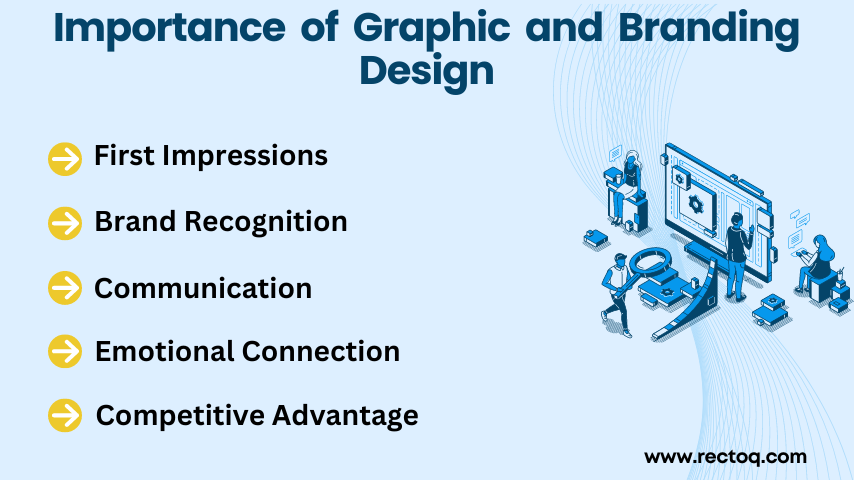
- First Impressions: The visual identity of a brand often forms the first impression for potential customers. A well-designed logo and cohesive branding can create an immediate sense of trust and professionalism.
- Brand Recognition: Consistent and distinctive graphic design helps in building brand recognition. Icons, colors, fonts, and imagery that are consistently used across all marketing materials make the brand easily recognizable.
- Communication: Good design communicates messages effectively. Whether it’s a call to action, brand values, or product benefits, graphic design ensures that the message is conveyed clearly and attractively.
- Emotional Connection: Branding design has the power to evoke emotions. Through strategic use of colors, imagery, and typography, brands can create an emotional connection with their audience, fostering loyalty and engagement.
- Competitive Advantage: In a crowded market, distinctive graphic and branding design can set a company apart from its competitors. It highlights uniqueness and can make a brand more memorable.
The Process of Graphic and Branding Design
- Research and Discovery: Understanding the brand, its audience, and its competitors is the first step. This involves market research, analyzing industry trends, and identifying the brand’s mission, vision, and values.
- Strategy Development: Based on the research, a brand strategy is developed. This includes defining the brand’s positioning, messaging, and personality. It serves as a blueprint for all design decisions.
- Concept Development: Designers create initial concepts for the visual identity. This includes brainstorming ideas, sketching designs, and creating mood boards that reflect the brand’s desired look and feel.
- Design Execution: The chosen concept is then developed into a full-fledged design. This includes creating the logo, selecting brand colors, typography, and imagery, and designing various brand assets like business cards, letterheads, and social media profiles.
- Feedback and Refinement: The initial designs are presented to stakeholders for feedback. Based on this feedback, revisions are made to ensure that the design aligns with the brand’s goals and resonates with the target audience.
- Implementation and Consistency: Once the design is finalized, it is implemented across all brand touchpoints. Maintaining consistency is crucial, so brand guidelines are created to ensure that the visual identity is used correctly and consistently across all platforms and materials.
- Evaluation and Evolution: Design is not static. It’s important to continually evaluate the effectiveness of the brand’s visual identity and make adjustments as necessary to keep it relevant and engaging.
Key Elements of Graphic and Branding Design
- Logo: The logo is the cornerstone of a brand’s visual identity. It should be simple, memorable, and versatile, capable of being used across different media and applications.
- Color Palette: Colors evoke emotions and convey messages. A well-chosen color palette enhances brand recognition and helps convey the brand’s personality. For example, blue often signifies trust and professionalism, while red can evoke excitement and urgency.
- Typography: Fonts play a crucial role in setting the tone of the brand. Serif fonts are often associated with tradition and reliability, while sans-serif fonts convey modernity and simplicity.
- Imagery: The style of images used in branding—from photographs to illustrations—should reflect the brand’s personality and resonate with its audience. Consistent imagery helps in creating a cohesive visual experience.
- Layout and Composition: The arrangement of visual elements in design affects how the message is perceived. Good composition guides the viewer’s eye and highlights the most important information.
- Brand Voice: While not a visual element, the brand voice should complement the visual identity. It’s the tone and style of communication used in all written content, reinforcing the brand’s personality and values.
Case Studies: Effective Graphic and Branding Design
- Apple: Apple’s branding is a prime example of simplicity and elegance. Its minimalist design, clean lines, and consistent use of the apple logo create a strong, easily recognizable brand. The use of white space and a monochromatic color palette convey a sense of sophistication and innovation.
- Coca-Cola: Coca-Cola’s branding is iconic, with its red and white color scheme and distinctive logo. The brand’s design emphasizes happiness and togetherness, reinforced through consistent and nostalgic imagery.
- Nike: Nike’s branding is bold and dynamic. The “Swoosh” logo is instantly recognizable and embodies movement and performance. The use of motivational and inspiring imagery and the tagline “Just Do It” strengthen its brand identity.
The Future of Graphic and Branding Design
As technology advances and consumer preferences evolve, graphic and branding design will continue to change. Some trends and developments to watch for include:
- Sustainability: There is a growing emphasis on sustainability in design. Brands are increasingly using eco-friendly materials and promoting sustainability through their visual identities.
- Personalization: With the rise of data analytics, brands can create more personalized experiences. Design elements can be tailored to individual preferences, enhancing engagement and loyalty.
- Interactive Design: The use of interactive and dynamic elements in design is on the rise. From augmented reality to responsive web design, these innovations make brand interactions more engaging.
- Inclusivity: Inclusive design that reflects diversity and is accessible to all is becoming more important. Brands are focusing on creating designs that resonate with a wide range of audiences and are inclusive of different cultures and abilities.
Conclusion
Graphic and branding design are essential components of a successful business strategy. They create the visual language that communicates a brand’s values, connects with its audience, and sets it apart in the market. By understanding the principles of good design and staying attuned to evolving trends, businesses can craft compelling visual identities that drive recognition, loyalty, and growth. As the landscape continues to evolve, the fusion of creativity and technology will shape the future of graphic and branding design, ensuring its continued relevance and impact.