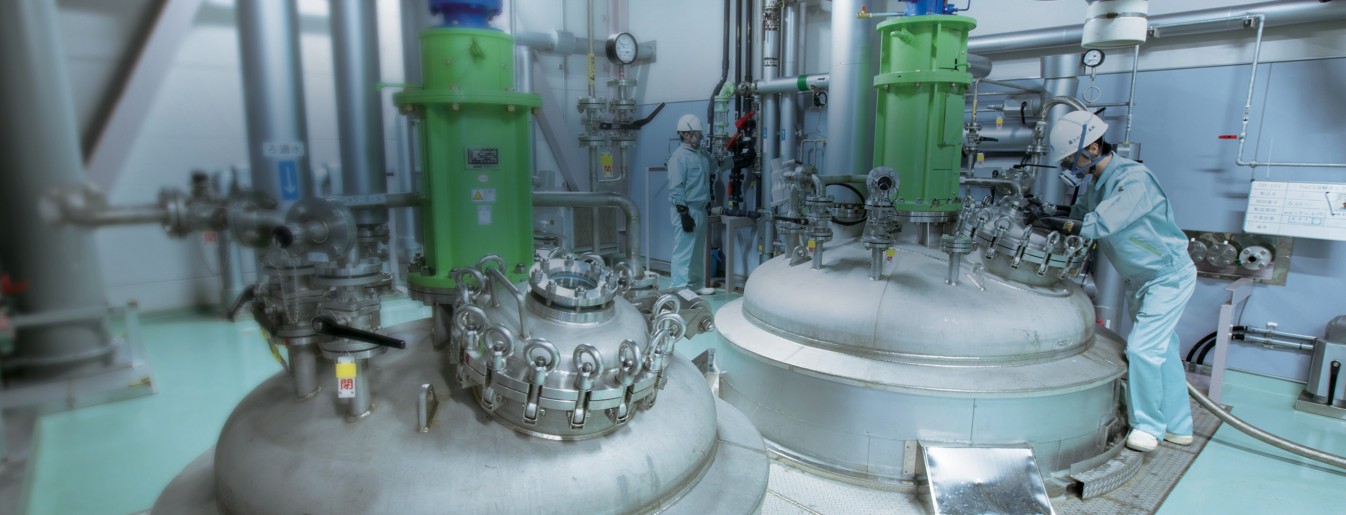
In today’s rapidly evolving chemical industry, businesses often face the decision of whether to pursue custom chemical manufacturing or contract chemical manufacturing. Both options offer unique advantages and cater to different needs within the market. Understanding these differences is crucial for companies aiming to optimize their production processes and maintain a competitive edge. This article delves into the intricacies of custom and contract chemical manufacturing, highlighting their benefits and helping businesses make informed decisions.
Custom Chemical Manufacturing: Tailored Solutions for Specific Needs
Custom chemical manufacturing is a specialized service where chemical products are developed and produced according to the unique specifications of a client. This approach is particularly valuable for businesses that require specific formulations, unique ingredients, or specialized processes that are not readily available from standard suppliers.
Advantages of Custom Chemical Manufacturing:
- Tailored Formulations: One of the primary benefits of custom chemical manufacturing is the ability to create formulations that precisely meet a client’s needs. Whether it’s for a niche application or a new product development, custom manufacturers can adjust the chemical composition to match exact requirements.
- Innovation and Flexibility: Custom chemical manufacturers are often at the forefront of innovation, offering cutting-edge solutions and technologies. This flexibility allows businesses to experiment with new products and processes, providing a competitive edge in the market.
- Confidentiality: For companies working on proprietary formulas or unique products, custom manufacturing offers a higher level of confidentiality. The manufacturing process is closely guarded, ensuring that intellectual property remains protected.
- Quality Control: Custom chemical manufacturers typically have stringent quality control measures in place. This ensures that every batch produced meets the required standards and specifications, reducing the risk of defects or inconsistencies.
Contract Chemical Manufacturing: Efficient Solutions for Scaling Production
Contract chemical manufacturing, on the other hand, involves outsourcing the production of chemicals to a third-party manufacturer. This option is ideal for companies looking to scale up production without investing in their own manufacturing facilities or equipment.
Advantages of Contract Chemical Manufacturing:
- Cost Efficiency: By outsourcing production, businesses can avoid the significant capital investment required for setting up and maintaining a manufacturing plant. Contract manufacturers already have the necessary equipment and expertise, leading to cost savings.
- Focus on Core Competencies: Contract manufacturing allows companies to focus on their core competencies, such as research and development, marketing, and sales, while leaving the manufacturing process to specialized experts.
- Scalability: Contract manufacturers offer the flexibility to scale production up or down based on demand. This is particularly beneficial for companies with fluctuating needs or seasonal products.
- Access to Expertise: Contract manufacturers often have extensive experience and technical expertise in various chemical processes. This knowledge can be leveraged to optimize production and ensure high-quality results.
- Regulatory Compliance: Established contract manufacturers are well-versed in industry regulations and standards. They can help ensure that products meet all necessary regulatory requirements, reducing the risk of compliance issues.
Choosing the Right Approach for Your Business
When deciding between custom and contract chemical manufacturing, businesses should consider their specific needs, resources, and long-term goals. Custom chemical manufacturing is ideal for those needing bespoke solutions and a high degree of control over their product. In contrast, contract chemical manufacturing is a practical choice for companies seeking cost-effective production solutions and scalability.
Ultimately, the choice between custom and contract chemical manufacturing depends on factors such as product complexity, production volume, budget, and strategic objectives. By carefully evaluating these factors, businesses can make informed decisions that align with their operational goals and market demands.
In conclusion, both custom and contract chemical manufacturing offer valuable advantages, each catering to different aspects of production and business strategy. Understanding the key benefits of each approach can help companies choose the best manufacturing solution to meet their needs and drive success in the competitive chemical industry.