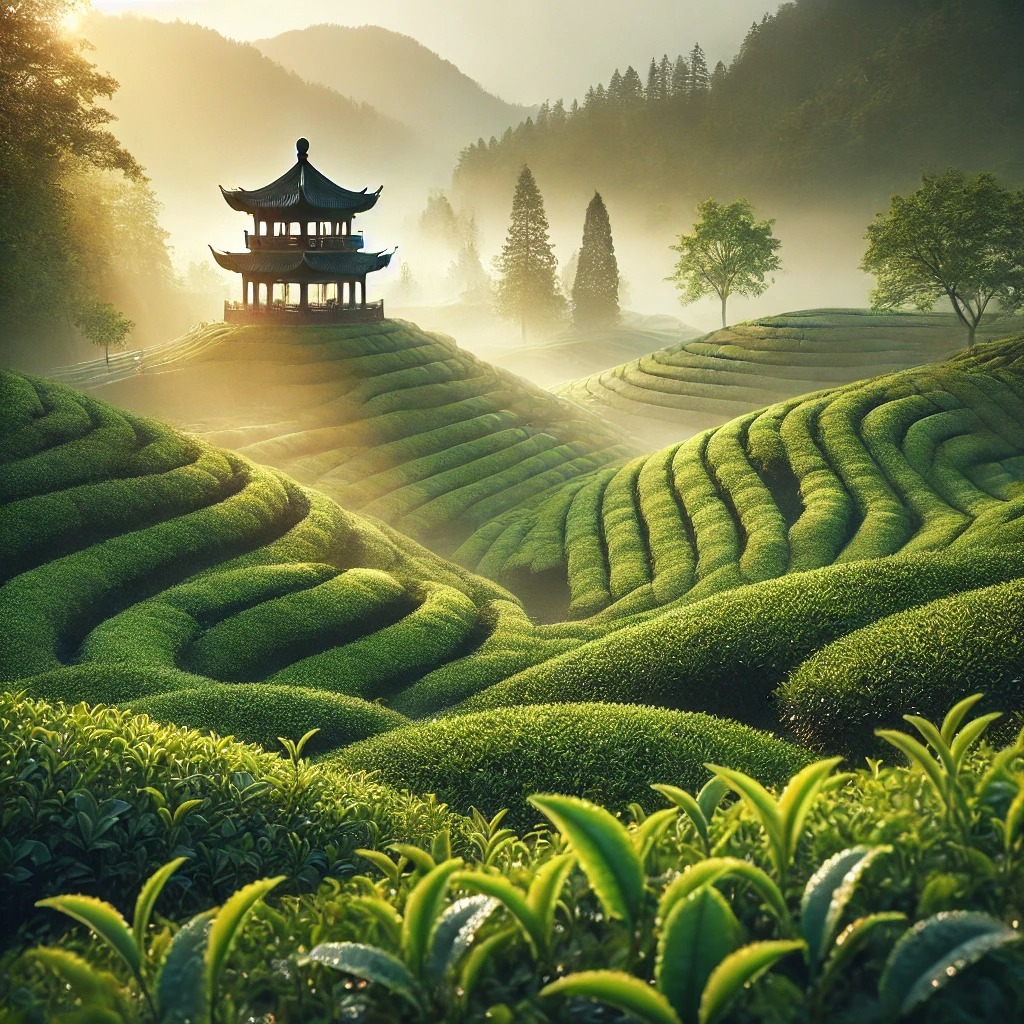
The Wuyi Mountains, a renowned UNESCO World Heritage site in China’s Fujian province, are famous not just for their breathtaking landscapes but also for producing some of the world’s most cherished oolong teas. Among these, Da Hong Pao Tea and Shui Xian teas hold special places for tea aficionados due to their distinctive characteristics and storied histories. This comparative analysis delves deeper into the cultivation, aroma, taste, and cultural significance of these two iconic teas, highlighting their unique contributions to the tea-drinking world.
Historical Background and Cultural Significance
Da Hong Pao (Big Red Robe) is often surrounded by a halo of mystery and imperial legend. It is said to have acquired its name from an emperor’s gesture of gratitude—draping his robe over the bushes after the tea cured his mother. This historical anecdote highlights the tea’s esteemed place in Chinese culture, reserved for the most distinguished guests and special occasions.
Shui Xian (Water Sprite), though less romantically named, has a profound legacy tied to its longevity and resilience. This tea variety has been a staple in Chinese tea culture, appreciated for its robust character and the ability to thrive on the rocky terrain of the Wuyi Mountains.
Cultivation Insights
The cultivation practices for both teas are deeply influenced by the unique mineral-rich soil and microclimate of the Wuyi Mountains, which contribute to the famed ‘yan yun’ or rock rhyme taste.
- Da Hong Pao is cultivated under strict conditions with a very limited output, which makes it one of the most expensive teas in the world. The meticulous attention to every detail of its production ensures a quality that is unmatched, involving precise withering, rolling, oxidizing, and repeated firing processes that create its complex flavor profile.
- Shui Xian, while also benefiting from the mineral-rich environment, is generally more abundantly produced. The cultivation and processing techniques are less restrictive, allowing for greater yields. This accessibility makes Shui Xian Tea a more common but still highly regarded option among Wuyi oolong teas.
Sensory Profiles
The sensory experience of drinking these teas is where they distinctly part ways:
- Da Hong Pao offers a powerful and invigorating aroma with a full-bodied taste that unfolds layers of spicy, sweet, and woody notes, with a lingering finish that captivates the palate.
- Shui Xian presents a smoother and softer profile with an emphasis on floral notes and a sweet, mellow finish. Its aroma is less intense but equally enchanting, with an earthy undertone that reflects its natural origins.
Economic and Social Impact
Da Hong Pao commands a high market value, reflecting its rarity and the high esteem in which it is held. It is often a symbol of prestige and luxury in Chinese tea culture, making it a sought-after gift and collector’s item.
Shui Xian, by contrast, plays a more everyday role in the lives of local tea drinkers. It offers an excellent introduction to Wuyi rock teas and remains affordable, which sustains its popularity and accessibility for a broader audience.
Conclusion
Da Hong Pao and Shui Xian, each from the rich tea landscapes of the Wuyi Mountains, offer contrasting yet equally rewarding tea experiences. Da Hong Pao, with its complex flavors and legendary status, appeals to those seeking depth and intensity in their tea. Shui Xian, with its approachable and soothing qualities, serves as a perfect daily brew for those who appreciate subtlety and tradition. Together, these teas not only enhance the global tea culture but also celebrate the rich tapestry of Chinese tea heritage.