Fiber Optic Pigtails vs. SFP Transceivers: Understanding the Differences and Applications

In the world of fiber optic technology, understanding the various components and their applications is crucial for building and maintaining efficient networks. Two key components often discussed are fiber optic pigtails and SFP transceivers. Both play vital roles in network infrastructure, but they serve different purposes and are used in various contexts. This article delves into the differences between fiber optic pigtails and SFP transceivers, highlighting their functions, applications, and benefits.
What Are Fiber Optic Pigtails?
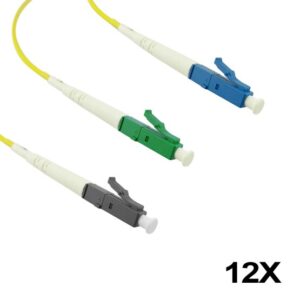
Fiber optic pigtails are short optical cables with a connector on one end and exposed fibers on the other. They are used to connect optical fibers to network devices or other optical components. The connector end is typically designed to fit into a standard interface, while the exposed end can be spliced into another fiber.
Key Features of Fiber Optic Pigtails:
1. Connectivity: Pigtails provide a simple way to connect fiber optic cables to equipment or other fibers. They ensure low insertion loss and high return loss.
2. Versatility: Available in various connector types (e.g., SC, LC, ST), pigtails can be used in a wide range of applications.
3. Ease of Installation: Pigtails are relatively easy to install and terminate, making them a convenient choice for network setups.
4. Durability: Designed to withstand environmental stress, pigtails are robust and reliable, ensuring long-term performance.
Applications of Fiber Optic Pigtails
Fiber optic pigtails are commonly used in:
-Telecommunications: Connecting fiber optic networks in telecom infrastructure.
-Data Centers: Ensuring reliable connections between servers, storage systems, and networking equipment.
-FTTH (Fiber to the Home): Providing high-speed internet connections to residential areas.
-Industrial Networks: Supporting robust communication links in industrial environments.
What Are SFP Transceivers?
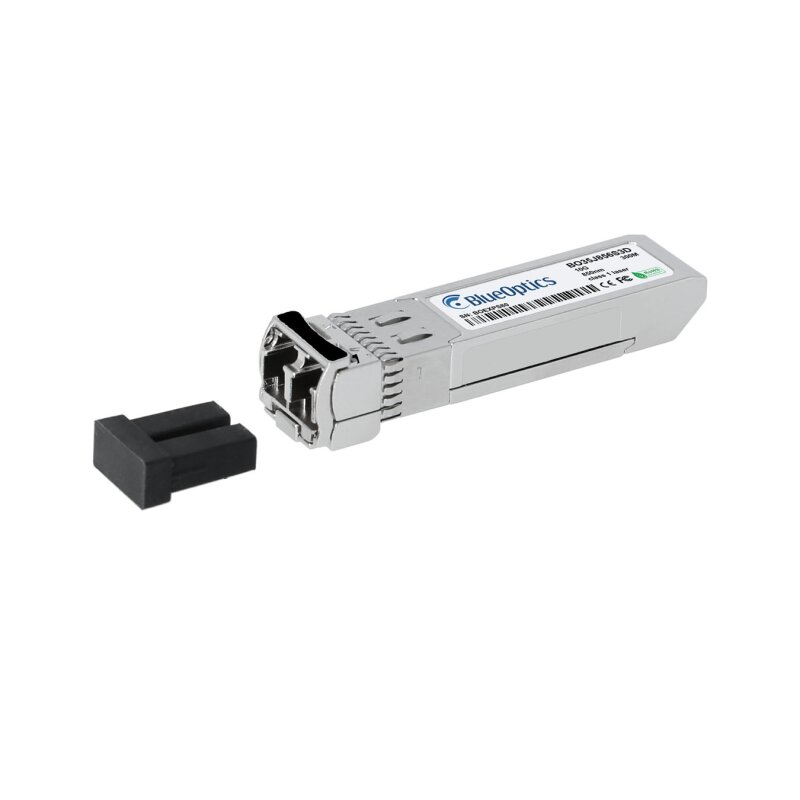
Small Form-factor Pluggable (SFP) transceivers are compact, hot-swappable devices that interface network devices with fiber optic or copper cables. These sfp modul are used to convert electrical signals into optical signals and vice versa, facilitating high-speed data transmission over long distances.
Key Features of SFP Transceivers:
1. Modularity: SFP transceivers are modular, allowing network administrators to easily upgrade or change network connections without replacing the entire system.
2. Flexibility: Compatible with various network standards (e.g., Gigabit Ethernet, Fibre Channel), SFP transceivers can be used in different network setups.
3. Performance: Offering high data transfer rates (up to 100 Gbps), SFP transceivers support high-performance networking needs.
4. Interchangeability: SFP transceivers can be interchanged between devices, providing flexibility in network design and expansion.
Applications of SFP Transceivers:
SFP transceivers are widely used in:
-Enterprise Networks: Connecting switches, routers, and other networking equipment in corporate environments.
-Telecommunications: Enabling high-speed data transmission over fiber optic networks.
-Data Centers: Facilitating fast and reliable connections between servers, storage, and networking devices.
-Metro Networks: Supporting high-capacity data transmission in metropolitan areas.
Comparing Fiber Optic Pigtails and SFP Transceivers
While the pair of fiber optic pigtails and SFP transceivers are crucial for fiber optic networks, they serve different functions and are used in distinct scenarios.
Functionality:
-Fiber Optic Pigtails: Primarily used for terminating fiber optic cables, providing a means to connect bare fibers to devices or other fibers.
-SFP Transceivers: Used to convert electrical signals to optical signals and vice versa, enabling high-speed data transmission across network devices.
Installation:
-Fiber Optic Pigtails: Require splicing to connect to other fibers, which involves precise cutting and fusion splicing for optimal performance.
-SFP Transceivers: Plug-and-play devices that can be easily inserted or removed from network equipment without the requirement for complex installation procedures.
Flexibility and Scalability:
-Fiber Optic Pigtails: Offer limited flexibility as they are fixed connections once spliced. They are ideal for permanent or semi-permanent installations.
-SFP Transceivers: Provide high flexibility and scalability, allowing for easy network upgrades and expansions by swapping transceivers as needed.
Performance:
-Fiber Optic Pigtails: Ensure minimal signal loss and high-quality connections, crucial for maintaining network integrity.
-SFP Transceivers: Support high data transfer rates and long-distance transmission, making them suitable for high-performance network applications.
Choosing the Right Component for Your Network
The choice between fiber optic pigtails and SFP transceivers depends on your specific network requirements and applications.
-For Permanent Connections: If you need a permanent, reliable connection between fiber optic cables, fiber optic pigtails are the ideal choice. They provide secure, low-loss connections suitable for various environments.
-For Modular and Scalable Networks: If your network demands flexibility, high data rates, and easy upgrades, SFP transceivers are the way to go. They offer the modularity and performance needed for dynamic and evolving network infrastructures.
Conclusion
Both fiber optic pigtails and SFP transceivers are essential components in fiber optic networks, each serving unique purposes. Understanding their differences and applications can help you make informed decisions when designing or upgrading your network. Whether you need the fixed reliability of pigtails or the versatile performance of SFP transceivers, choosing the right component is key to ensuring efficient, high-speed, and scalable network connectivity.