


Introduction
In the dynamic urban environment of London, where high-rise buildings and multi-occupancy residences are common, ensuring fire safety is paramount. As a landlord, you bear the crucial responsibility of safeguarding your tenants and maintaining compliance with fire safety regulations. One of the fundamental requirements is obtaining a fire risk certificate London, which certifies that your property meets the necessary fire safety standards. This comprehensive guide will delve into the key responsibilities and best practices for landlords regarding fire safety, providing a roadmap to creating safe and compliant living environments.
Understanding Fire Safety Regulations
Regulatory Framework
Fire safety in London is governed by the Regulatory Reform (Fire Safety) Order 2005. This legislation mandates that landlords must conduct regular fire risk assessments and take necessary actions to mitigate identified risks. Non-compliance with these regulations can result in severe penalties, including fines and legal action.
Importance of Fire Risk Certificates
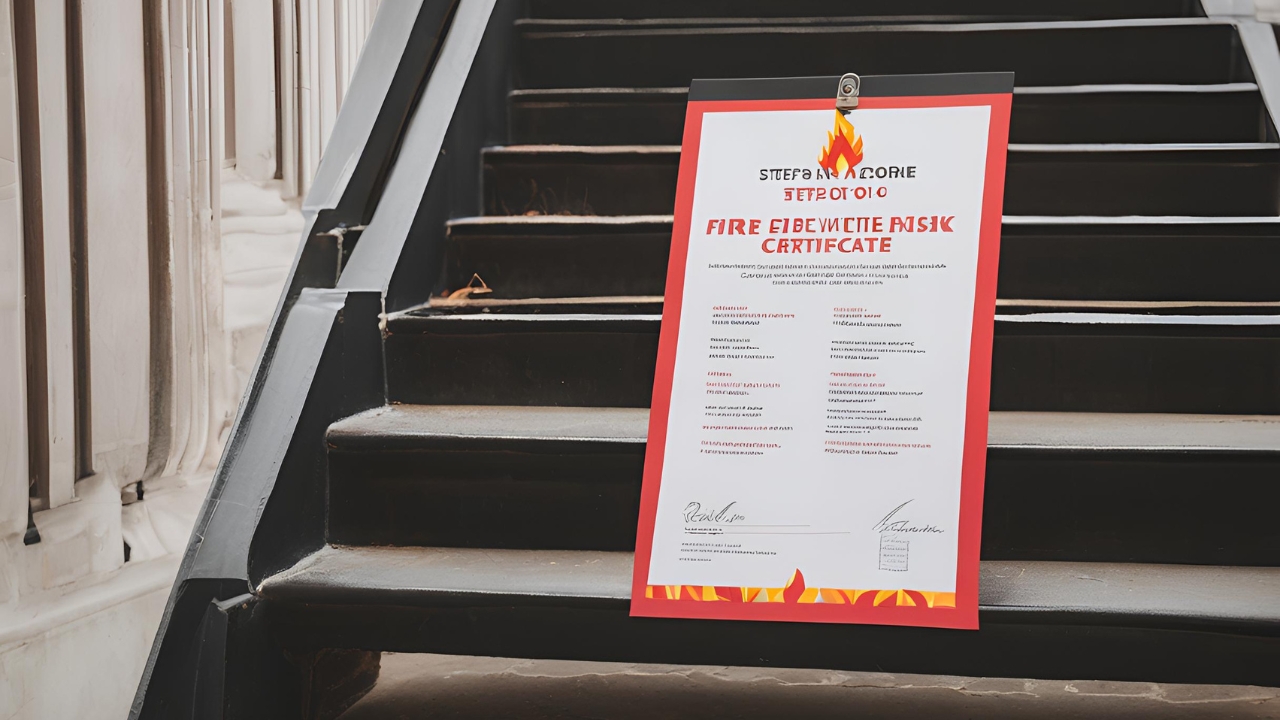
A fire risk certificate london is a crucial document that verifies a property has undergone a thorough fire risk assessment and meets the required safety standards. This certificate not only ensures compliance with legal obligations but also demonstrates a landlord’s commitment to tenant safety.
Conducting Fire Risk Assessments
Identifying Fire Hazards
The first step in a fire risk assessment is to identify potential fire hazards within the property. Common hazards include faulty electrical wiring, flammable materials, and blocked fire exits. Landlords should conduct regular inspections to identify and address these hazards proactively.
Evaluating Fire Safety Measures
Landlords must evaluate the effectiveness of existing fire safety measures, such as fire alarms, smoke detectors, fire extinguishers, and emergency lighting. Ensuring that these measures are properly installed, maintained, and functioning correctly is essential for mitigating fire risks.
Recording and Implementing Findings
After identifying fire hazards and evaluating safety measures, landlords must record the findings and implement necessary actions to address identified risks. This may involve repairing faulty equipment, installing additional fire safety devices, or updating emergency procedures.
Key Components of a Fire Safety Plan
Fire Detection and Alarm Systems
Effective fire detection and alarm systems are vital components of any fire safety plan. These systems should be regularly tested and maintained to ensure they function correctly in an emergency. Smoke detectors, heat detectors, and manual call points should be strategically placed throughout the building to provide early warning of a fire.
Emergency Lighting
In the event of a fire, power outages are common. Emergency lighting is essential to illuminate escape routes, stairwells, and exits, ensuring that tenants can safely evacuate the building. Regular maintenance and testing of emergency lighting systems are crucial to their effectiveness.
Fire Extinguishers and Equipment
Adequate fire extinguishers and other firefighting equipment should be readily available throughout the property. Fire extinguishers should be appropriate for different types of fires, such as electrical fires, flammable liquids, and general combustibles. Landlords should ensure that these devices are regularly inspected and maintained.
Fire Doors and Escape Routes
Fire doors and escape routes are critical for ensuring safe evacuation in the event of a fire. Fire doors should be self-closing, properly marked, and free from obstructions. Escape routes should be clearly signposted, well-lit, and kept clear at all times. Regular inspections should be conducted to ensure compliance.
Educating Tenants about Fire Safety
Providing Fire Safety Information
Educating tenants about fire safety is a crucial aspect of fire safety planning. Landlords should provide clear and concise information about fire safety procedures, including how to raise the alarm, the location of fire exits, and the proper use of fire extinguishers. This information should be included in tenant handbooks and displayed prominently throughout the building.
Conducting Fire Safety Training
In addition to providing written information, landlords should conduct fire safety training sessions for tenants. These sessions can include practical demonstrations of how to use firefighting equipment, as well as guidance on emergency evacuation procedures. Regular training sessions help reinforce the importance of fire safety and ensure that tenants are prepared in the event of a fire.
Maintaining Fire Safety Equipment
Regular Inspections and Maintenance
Regular inspections and maintenance of fire safety equipment are essential for ensuring their effectiveness. Landlords should establish a routine maintenance schedule for fire alarms, smoke detectors, emergency lighting, fire extinguishers, and fire doors. Any issues identified during inspections should be addressed promptly to maintain compliance with fire safety regulations.
Keeping Accurate Records
Maintaining accurate records of all fire safety activities, including inspections, maintenance, and training sessions, is crucial for demonstrating compliance with fire safety regulations. These records should be readily available for inspection by regulatory authorities and should be kept up to date.
Conducting Regular Fire Drills
Importance of Fire Drills
Fire drills are essential for familiarizing tenants with evacuation procedures and ensuring that they know how to respond in an emergency. Regular fire drills help identify potential issues with evacuation plans and provide an opportunity for tenants to practice their response to a fire alarm.
Planning and Executing Fire Drills
Fire drills should be planned and executed periodically, with clear instructions provided to all tenants. It is important to simulate various scenarios, such as blocked exits or stairwells, to test the effectiveness of evacuation plans. Landlords should keep records of all fire drills, including dates, times, and any issues identified.
Ensuring Compliance with Fire Safety Regulations
Working with Professional Fire Risk Assessors
To ensure compliance with fire safety regulations, landlords should work with professional fire risk assessors. These assessors have the expertise and experience to conduct thorough fire risk assessments and provide recommendations for improving fire safety. All Landlord Certificates offers comprehensive fire risk assessment services, helping landlords navigate the complexities of fire safety regulations and achieve compliance.
Staying Informed About Regulatory Changes
Landlords must stay informed about changes to fire safety regulations to ensure ongoing compliance. Keeping up to date with regulatory changes helps landlords adapt their practices and maintain safe and compliant properties.


