Dental implants have become one of the most trusted and successful tooth replacement options in modern dentistry. With advanced implant systems, natural-looking crowns, and long-lasting results, more people today choose implants to restore their smiles.
If you are planning or have just undergone dental implant treatment in Sarthana Jakat Naka, it is crucial to take good care of your oral health — especially in the first week after surgery. One of the most important steps in the healing process is following the correct diet.
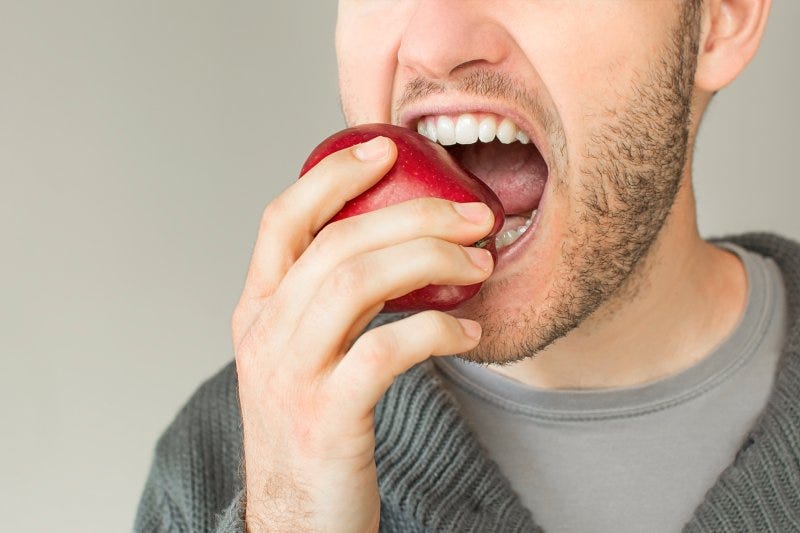
Your food choices can directly influence:
- Healing speed
- Gum condition
- Implant success
- Overall comfort
In this guide, we’ll explore the best foods to eat, what to avoid, and helpful tips from implant experts at SmyleXL.
Why Diet Matters After Dental Implant Surgery
After implant placement, your gums and jawbone need time to heal. The titanium implant must bond to the bone through a natural process called osseointegration. Eating the wrong foods too soon can:
- Irritate the gum tissue
- Dislodge stitches
- Apply pressure on the implant site
- Slow the healing process
- Increase the risk of infection
Following a gentle and nutritious diet ensures a faster and smoother recovery.
Stage 1: The First 24–48 Hours
During the first two days, you may experience swelling, mild bleeding, and tenderness. Stick to soft, cool, and easy-to-chew foods.
Foods to Eat
✔ Plain yogurt
✔ Fruit smoothies (without seeds)
✔ Pudding or custard
✔ Mashed bananas
✔ Applesauce
✔ Ice cream (without nuts)
✔ Clear soups (not too hot)
These foods provide energy without requiring chewing, allowing your implant site time to settle.
Foods to Avoid
✘ Hot foods and beverages
✘ Crunchy or chewy snacks
✘ Spicy foods
✘ Acidic juices like orange or lemon
✘ Alcohol and carbonated drinks
✘ Hard breads, nuts, and crackers
Avoid using straws as the suction may disturb the blood clot.
Stage 2: Days 3–7 — Soft Food Phase
As swelling reduces, you can start incorporating more foods — still soft but slightly more filling.
Recommended Soft Foods
✔ Khichdi, dal-rice, and soft rotis
✔ Well-cooked pasta or noodles
✔ Mashed potatoes
✔ Soft scrambled eggs
✔ Idli and dosa
✔ Upma and poha
✔ Smooth lentils
✔ Soft fish
✔ Cottage cheese and paneer
These provide carbs, protein, and essential nutrients to aid bone healing.
Healing-Friendly Ingredients
- Protein: Supports cell repair
- Omega-3s (fish, avocado): Reduce inflammation
- Vitamins A & C: Boost gum healing
- Calcium-rich foods: Support bone health
Stage 3: Week 2 and Beyond
From the second week, your discomfort should reduce. You can gradually return to normal foods — but still avoid anything too hard or sticky.
Foods You Can Add
✔ Well-cooked vegetables
✔ Soft chicken (shredded)
✔ Rice and chapati taken in small bites
✔ Grains like oats and quinoa
✔ Slow-cooked beans
✔ Mild cheeses
✔ Tender fruits like mango, papaya, and pears
Still chew on the opposite side of the implant area to avoid pressure.
Foods to Completely Avoid During Healing
To protect your implant, avoid the following foods until your dentist confirms full healing:
Hard Foods
✘ Nuts
✘ Popcorn
✘ Chips
✘ Raw crunchy vegetables
✘ Hard candy
These can damage the implant or surrounding gum tissues.
Sticky Foods
✘ Chewing gum
✘ Caramel
✘ Toffee
✘ Gummy candies
✘ Sticky traditional sweets
Sticky foods cling to the surgical area and invite bacteria.
Chewy or Tough Foods
✘ Red meat (unless finely chopped)
✘ Thick bread crusts
✘ Bagels or pizza crust
✘ Dry roti without gravy
Excessive chewing can strain your jaw and delay osseointegration.
Spicy, Sugary & Acidic Foods
✘ Pickles
✘ Strong spices
✘ Citrus juices
✘ Sugary desserts
These irritate the tissue and increase bacterial accumulation.
Alcohol & Smoking
✘ Alcohol slows healing
✘ Smoking drastically increases implant failure risk
Avoid both for at least 1–2 weeks, or ideally longer.
Hydration Matters Too
Drink plenty of water to stay hydrated. Avoid:
- Aerated drinks
- Energy beverages
- Caffeine in excess
Water helps rinse bacteria and maintain healthy saliva flow.
Extra Tips for Successful Implant Recovery
🌿 Chew on the opposite side
Protect your healing site from pressure.
🦷 Maintain gentle oral hygiene
Use a soft toothbrush, avoid brushing directly over stitches during the first few days, and rinse with warm salt water after 24 hours.
🥗 Choose nutrient-rich foods
Your body needs proper nutrition to rebuild bone and gum tissue.
⏳ Be patient
Full healing and implant integration take months. A successful recovery begins with disciplined care during the first few weeks.
When Can You Resume Your Normal Diet?
Most patients can return to nearly normal eating by week 4 — but hard or chewy foods may need to wait until your dentist approves. Every case is unique, depending on:
- Bone quality
- Number of implants
- Whether bone grafting or sinus lift was done
Your dentist at SmyleXL will guide you based on your healing progress.
Why Trust SmyleXL for Dental Implants?
If you are searching for reliable, safe, and advanced dental implant treatment in Sarthana Jakat Naka, SmyleXL stands out because of:
⭐ Expert and highly trained implantologists
⭐ State-of-the-art sterilization and technology
⭐ High success rate and painless procedure
⭐ Personalized care and post-treatment follow-ups
⭐ Flexible treatment and EMI plans
From consultation to final crown placement, SmyleXL is committed to restoring function, confidence, and aesthetic beauty to your smile.
Conclusion
Your implant journey doesn’t end after surgery — proper home care and smart eating choices play a huge role in implant success.
Choosing the right foods helps your gums and bone heal faster, reduces discomfort, and protects your investment.
If you’re planning implants or want expert guidance after surgery, visit SmyleXL for the best affordable dental implant treatment in Sarthana Jakat Naka and enjoy long-lasting dental health.
View Source :- https://medium.com/@amitpandey9813/foods-to-eat-and-avoid-after-dental-implant-surgery-6d4a418a334d