



Aphids are tiny, soft-bodied insects that can wreak havoc on your indoor plants, causing significant damage and reducing their overall health and vitality. Understanding how aphids get on your indoor plants is crucial for effective prevention and control. This comprehensive guide delves into the common ways aphids invade your indoor garden, the conditions that favor their presence, and practical strategies to keep your plants aphid-free.
1. What Are Aphids?
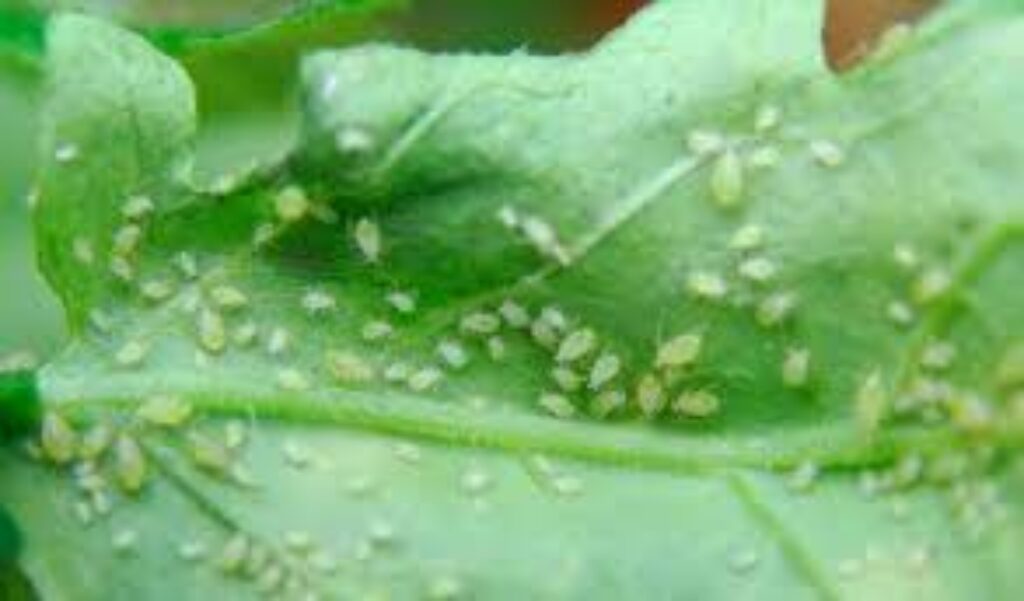
Aphids, also known as greenflies or plant lice, are small insects typically ranging from 1 to 10 millimeters in length. They come in various colors, including green, black, brown, and pink, and possess pear-shaped bodies with long antennae and slender legs. Aphids feed on the sap of plants by piercing their stems and leaves, which can lead to weakened plants, distorted growth, and the spread of plant diseases.
2. How Do Aphids Get on Indoor Plants?
Understanding the entry points and methods aphids use to infest indoor plants can help you implement effective preventive measures. Here are the primary ways aphids find their way into your indoor garden:
a. Bringing Infested Plants Indoors
One of the most common ways aphids invade your indoor plants is by introducing already infested plants into your home. Whether you purchase plants from nurseries, garden centers, or receive them as gifts, aphids can hitch a ride on new greenery. Inspecting plants thoroughly before bringing them inside can significantly reduce the risk of infestation.
b. Outdoor Exposure
Even indoor plants kept away from open windows or doors are not entirely safe. Aphids can enter through tiny gaps in windows, doors, or ventilation systems. Additionally, plants placed near outdoor areas or exposed to open-air environments are more susceptible to aphid invasions.
c. Human Activity
Aphids can be inadvertently carried into your home on your clothing, shoes, or tools. If you spend time gardening or handling outdoor plants, ensure you inspect and clean yourself before interacting with your indoor garden.
d. Attracting Factors Inside
Certain indoor conditions can make your plants more attractive to aphids. Over-fertilization, especially with nitrogen-rich fertilizers, can promote rapid, soft growth that aphids find ideal for feeding. Additionally, stressed plants—due to inadequate light, water, or improper care—are more vulnerable to aphid infestations.
3. Conditions That Favor Aphid Infestations
Aphids thrive in specific environmental conditions that can often be replicated in indoor settings:
- Warmth and Humidity: Aphids prefer warm environments with high humidity levels. Indoor climates, especially during winter when heating systems dry out the air, can create ideal conditions for aphid proliferation.
- Overcrowded Plants: Dense foliage can provide aphids with ample hiding spots and protection from predators and environmental stresses.
- Poor Air Circulation: Stagnant air can create microenvironments that support aphid growth and reproduction.
4. Preventing Aphid Infestations on Indoor Plants
Preventing aphids from taking hold in your indoor garden involves a combination of vigilant plant care and proactive measures:
a. Regular Inspection
Frequently inspect your plants for early signs of aphid presence, such as sticky residue (honeydew), distorted leaves, or visible tiny insects on the undersides of leaves. Early detection allows for swift intervention before the infestation spreads.
b. Quarantine New Plants
Isolate new plants from your existing indoor garden for at least two weeks. This quarantine period helps ensure that any hidden pests or eggs do not spread to your other plants.
c. Maintain Optimal Plant Health
Healthy plants are less susceptible to pest invasions. Ensure your plants receive adequate light, water, and nutrients. Avoid over-fertilizing, as excessive nitrogen can attract aphids by promoting lush, tender growth.
d. Enhance Air Circulation
Improving air circulation around your plants can deter aphids. Use fans or space plants appropriately to ensure good airflow, making the environment less favorable for pests.
5. Controlling Aphids on Indoor Plants
If you discover aphids on your indoor plants, prompt action is essential to control the infestation:
a. Manual Removal
For light infestations, gently wipe the aphids off the plants using a damp cloth or rinse them off with a strong jet of water. This method is effective for small-scale problems and helps reduce aphid numbers quickly.
b. Insecticidal Soaps and Neem Oil
Applying insecticidal soaps or neem oil solutions can help eliminate aphids without harming your plants. These natural remedies work by suffocating the pests or disrupting their reproductive cycles. Ensure you cover all parts of the plant, including the undersides of leaves, for maximum effectiveness.
c. Introducing Beneficial Insects
In a controlled indoor environment, introducing beneficial insects like ladybugs or lacewings can help keep aphid populations in check. These predators naturally feed on aphids, providing a biological control method that minimizes the need for chemical treatments.
d. Pruning Affected Areas
Remove and dispose of severely infested plant parts to prevent aphids from spreading to healthier sections. Pruning helps maintain plant health and reduces the overall pest load.
6. Long-Term Prevention Strategies
Implementing long-term strategies can help prevent future aphid infestations:
- Use Sticky Traps: Place yellow sticky traps near your plants to catch flying aphids and monitor pest levels.
- Regular Cleaning: Dust and clean your plants regularly to remove potential hiding spots and reduce pest attraction.
- Balanced Fertilization: Use balanced fertilizers and avoid over-fertilizing to prevent promoting aphid-friendly growth.
Conclusion
Aphids can be a persistent problem for indoor gardeners, but with understanding and proactive care, you can effectively prevent and control these pests. By recognizing how aphids get on your indoor plants, maintaining optimal plant health, and implementing strategic control measures, you can keep your indoor garden thriving and aphid-free. Stay vigilant, act swiftly at the first sign of infestation, and enjoy the beauty and benefits of your well-maintained indoor plants.


