Managing employees effectively is a big challenge for businesses, especially when tracking their time and attendance. Without the right system, timekeeping can quickly become messy and full of mistakes. So, how do time and attendance systems work, and why are they so essential for businesses today?
In this blog, we’ll break down how these systems function. So, we’ll also explore why businesses rely on them to track employee hours accurately.
What Are Time and Attendance Systems?
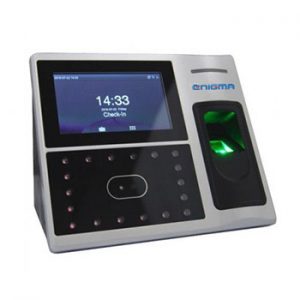
Time and attendance systems are tools that help companies track how long employees work. These systems record when employees clock in and out. They also track break times, manage overtime, and ensure that the business complies with labour laws.
Here’s why they matter:
- Accuracy: They provide accurate time data, reducing errors that can happen with manual tracking.
- Efficiency: They automate payroll processes, cutting down on administrative work.
- Compliance: These systems ensure that businesses follow labour laws and avoid costly fines.
Key Components of Time and Attendance Systems
Now, let’s break down the key components of these systems. Thus, they consist of hardware and software working together to record and store employee time data.
Hardware Components
- Clock-In Devices: Employees use these devices to record their start and end times. Devices include:
- Biometric Scanners: Use fingerprints or face recognition to identify employees.
- Card Swipes: Employees swipe their ID cards to clock in.
- Mobile Apps: Many systems allow clocking in and out via smartphone apps.
These devices connect to the system, allowing it to record accurate time logs for every employee. Additionally, the choice of device depends on the company’s size, location, and needs.
Software Components
The software in a time and attendance system processes the data collected by the hardware. Additionally, this software performs several tasks:
- Tracking Work Hours: It automatically tracks and logs the hours employees work.
- Managing Schedules: It helps create and adjust employee schedules.
- Integrating with Payroll: The software transfers time data to payroll systems, ensuring employees are paid accurately and on time.
Employee Database
The employee database holds essential information, such as employee names, ID numbers, and job details. Moreover, the system uses this data to ensure that time records are assigned to the correct employee.
How the System Works
The basic process of a time attendance machine system is straightforward. Therefore, it all starts with employees clocking in and out.
Clocking In and Out
Employees use a clock-in device to record the start and end of their workday. The system then logs these times and stores them. In addition, different businesses use different devices, but the result is the same: accurate time tracking.
- Employees can clock in with their fingerprint, ID card, or smartphone.
- The system immediately records their time and sends it to the central software.
Tracking Work Hours
Once an employee clocks in, the system starts tracking their work hours. It calculates the total hours worked for the day and saves them. However, the system does this automatically, reducing the chances of errors.
Here are a few key points:
- Automatic Updates: The system updates hours in real time.
- Data Storage: All data is stored securely and can be accessed at any time.
Break Management
Many time and attendance systems also manage break times. They ensure employees take breaks and adhere to legal requirements for rest periods. Consequently, this feature ensures compliance with labour laws and helps avoid legal issues.
- Break times are tracked separately from work hours.
- The system calculates breaks automatically.
Automated Calculations
The system doesn’t just record time. Moreover, it also handles various calculations, making it easier for businesses to manage their employees.
Overtime Tracking
Many employees work beyond their scheduled hours, and businesses must account for this overtime. Therefore, time and attendance systems make this easy by automatically tracking overtime hours. Here’s how it works:
- Set Overtime Rules: Employers set rules for when overtime starts.
- Automated Calculation: The system calculates overtime based on these rules.
Leave Management
Tracking leave, such as vacation or sick time, can be challenging. Moreover, the time attendance machine system keeps track of employees’ available leave and updates their balance automatically.
- Track Different Types of Leave: The system manages vacation, sick leave, and other types of absences.
- Updated in Real Time: Employees’ leave balances update as soon as they request time off.
Benefits of Time and Attendance Systems
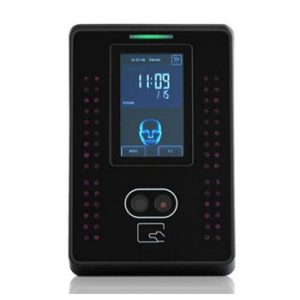
Time and attendance systems come with many benefits for businesses. From accuracy to compliance, these systems offer significant advantages that help businesses run smoothly.
Accuracy and Efficiency
Manual time tracking can be full of mistakes. Time and attendance systems reduce these errors by automating the entire process. In addition, employees no longer have to manually enter their hours, leading to greater accuracy.
- No Manual Entry: Employees don’t need to write down their hours.
- Automatic Data Updates: The system keeps everything up-to-date without human intervention.
Cost Savings
The accuracy of these systems also leads to cost savings. Businesses can avoid costly payroll errors, and employees are paid accurately for their work. Additionally, reducing time theft helps businesses save even more.
- Lower Payroll Errors: Automation reduces errors, meaning fewer paycheck issues.
- Less Time Theft: Accurate tracking prevents employees from padding their hours.
Compliance
Labour laws require businesses to track employee hours correctly. Time and attendance systems make this easy. By recording start and end times accurately, these systems ensure compliance with all labour regulations.
- Accurate Timekeeping: Ensures adherence to legal requirements for work hours and breaks.
- Avoid Fines: Helps avoid penalties for failing to meet legal obligations.
Types of Time and Attendance Systems
There are different types of time and attendance systems available. Businesses must choose the one that best fits their needs. So, the main options are manual and automated systems.
Manual Systems
Manual systems involve paper time cards and handwritten records. While they are simple to use, they often lead to mistakes and are time-consuming to manage.
Automated Systems
Automated systems use devices and software to track time automatically. Additionally, these systems are more accurate, efficient, and easier to manage than manual ones.
Data Protection
Protecting employee data is essential. Therefore, time and attendance systems must use encryption and other security measures to safeguard sensitive information.
- Encryption: Ensures that data remains safe from unauthorised access.
- Regular Updates: Keeps the system secure by fixing vulnerabilities.
Access Control
Only authorised personnel should have access to employee data. Additionally, proper access control measures help prevent data breaches and protect employee privacy.
- Limit Access: Restrict access to those who need it.
- Audit Logs: Track who accesses data and when.
Choosing the Right Time and Attendance System
Selecting the right time and attendance system is crucial for businesses. So, the right system ensures accurate tracking, compliance, and ease of use. So, how do you choose the best fit for your business?
Assess Company Needs
Start by evaluating your company’s needs. So, look at the number of employees, work shifts, and locations. Ask yourself:
- Do you need a mobile-friendly system for remote workers?
- What’s your budget for a time-tracking solution?
- Is ease of use a priority for your team?
Scalability
Choose a system that can grow with your business. As your company expands, the system should handle more employees and locations without requiring a complete overhaul.
User-Friendly Interface
A time and attendance system should be simple to use. It shouldn’t take hours to teach employees how to clock in or out. Moreover, the interface should be intuitive for both workers and managers.
Future Trends in Time and Attendance Systems
Attendance and time management systems are changing with the evolving technology. Seek systems that integrate with other business tools, such as payroll software or project management platforms. Moreover, AI and machine learning play their role in predicting the staffing needs of an organisation and bring improvement in the accuracy of time tracking.
Final Thoughts
Overall, time and attendance systems for accuracy in workplaces, increased efficiency, and compliance. While selecting a system for your organisation, consider what your needs are and how scalable and easy to use it would be. Choosing the right piece of system will help streamline operations and be able to manage your workforce properly in a way that the business will not only become successful but the employees satisfied.