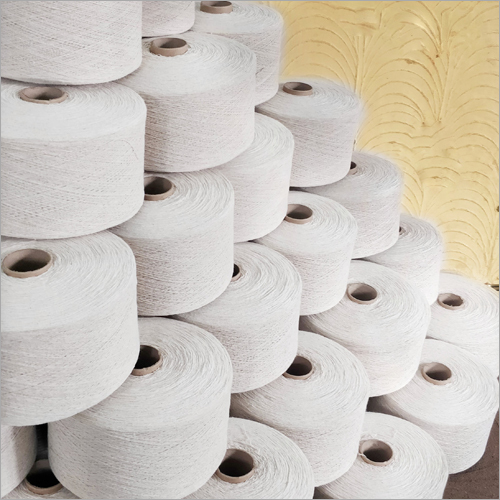
In today’s rapidly evolving fashion landscape, sustainability is no longer just a trend—it’s a necessity. As environmental concerns rise and consumers grow more conscious, brands and manufacturers are seeking ways to reduce waste and promote eco-friendly alternatives. One solution that’s gaining serious traction is recycled yarn. But beyond being sustainable, recycled yarn plays a pivotal role in building a circular fashion economy.
In this blog, we’ll explore how recycled yarn contributes to the circular economy model, its impact on the textile industry, and why it’s a smart choice for businesses and consumers alike.
🌱 What Is a Circular Fashion Economy?
Before diving into recycled yarn’s role, let’s first understand the circular fashion economy. Unlike the traditional “take-make-dispose” linear model, circular fashion focuses on:
-
Reducing raw material use
-
Reusing existing materials
-
Recycling waste back into the system
-
Designing out pollution and waste
In this model, the end of a product’s life becomes the beginning of a new one—closing the loop and minimizing environmental damage.
♻️ What Is Recycled Yarn?
Recycled yarn is made by reprocessing textile waste or used garments into new yarns. It can come from:
-
Pre-consumer waste: Scraps from garment factories
-
Post-consumer waste: Discarded clothes and fabrics
The fibers are sorted, cleaned, shredded, and spun into new yarn, often without the use of harsh chemicals or dyes.
Common types of recycled yarn include:
-
Recycled cotton yarn
-
Recycled polyester yarn
-
Recycled wool yarn
These yarns are now widely supplied by recycled yarn manufacturers and recycled yarn suppliers across India and globally.
🔄 How Recycled Yarn Supports Circular Fashion
1. Reduces Textile Waste
Over 92 million tonnes of textile waste are generated annually. Recycled yarn diverts significant volumes of this waste from landfills by reintroducing old textiles into the production cycle.
Instead of burning or dumping used clothes, they’re given a second life—helping brands and manufacturers cut down on pollution and landfill overflow.
For example, a t-shirt made from recycled cotton uses textile scraps from other garments that would otherwise be discarded.
2. Minimizes the Need for Virgin Resources
Producing virgin cotton or polyester yarns requires massive quantities of:
-
Water
-
Land
-
Energy
-
Chemicals
By using recycled yarn, companies dramatically reduce their dependency on these resources. For instance, recycled cotton uses 99% less water than traditional cotton production.
This sustainable practice helps preserve natural ecosystems and supports responsible manufacturing.
3. Cuts Down on Carbon Emissions
The carbon footprint of creating new textiles from scratch is significantly high. However, recycling yarn reduces the energy and emissions involved in fiber production.
According to studies:
-
Recycled polyester emits up to 75% less CO₂ than virgin polyester.
-
Recycled cotton production can cut carbon emissions by up to 50%.
That’s a powerful incentive for fashion brands focused on reducing their environmental impact.
4. Extends Product Lifecycle
Recycled yarn enables upcycling—turning old, unwanted clothes into something of equal or higher value. This encourages longer product lifespans and keeps materials in use for as long as possible.
Fashion brands can now offer “closed-loop” collections, where garments are designed, collected, and remanufactured into new yarns and fabrics, promoting a truly circular approach.
5. Encourages Sustainable Design Innovation
The use of recycled yarn encourages designers and product developers to think sustainably from the beginning. That includes:
-
Using mono-materials for easy recycling
-
Avoiding harmful chemical finishes
-
Designing for durability and recyclability
This “design for circularity” ethos helps embed sustainable values across the fashion value chain—from concept to consumer.
6. Supports Ethical Manufacturing and Sourcing
Many recycled yarn suppliers and recycled yarn manufacturers are adopting transparent and ethical production models. This aligns perfectly with the circular economy principles, as the focus is not just on the material but also how and where it is made.
Choosing trusted suppliers helps brands:
-
Ensure fair labor practices
-
Meet global sustainability certifications (like GRS, OEKO-TEX, etc.)
-
Appeal to eco-conscious consumers
🏭 How Manufacturers Play a Key Role
Recycled yarn suppliers in India—especially in textile hubs like Panipat, Tirupur, and Ludhiana—are becoming pioneers in this space. These manufacturers are:
-
Investing in advanced recycling technologies
-
Offering high-quality yarn for various applications (knitting, weaving, denim, home textiles)
-
Helping global brands meet their sustainability targets
By sourcing from a reliable recycled yarn supplier, textile companies can create greener products without compromising quality or aesthetics.
💡 Use Cases of Recycled Yarn in Circular Fashion
-
Fashion Apparel: Eco-friendly t-shirts, jeans, jackets made using recycled cotton or poly yarn.
-
Home Furnishings: Curtains, carpets, and upholstery textiles.
-
Accessories: Bags, scarves, and even footwear uppers.
-
Industrial Textiles: Automotive seat fabrics, insulation materials.
✅ Benefits for Businesses & Brands
Adopting recycled yarn doesn’t just help the planet—it also benefits businesses:
-
Brand Differentiation: Stand out as a sustainability-first brand.
-
Regulatory Compliance: Stay ahead of growing eco-label and government regulations.
-
Cost-Efficiency: Save on water, energy, and raw materials.
-
Customer Trust: Win over Gen Z and millennial consumers who demand transparency and responsibility.
🔚 Conclusion: A Step Towards Fashion with Purpose
The integration of recycled yarn into the supply chain is more than a sustainability measure—it’s a commitment to building a circular, responsible, and future-ready fashion industry.
For fashion brands, designers, and manufacturers, now is the time to act. Collaborate with trusted recycled yarn suppliers, invest in closed-loop systems, and be part of the solution—not the problem.
By choosing recycled yarn, you’re not only reducing waste—you’re creating value from it.