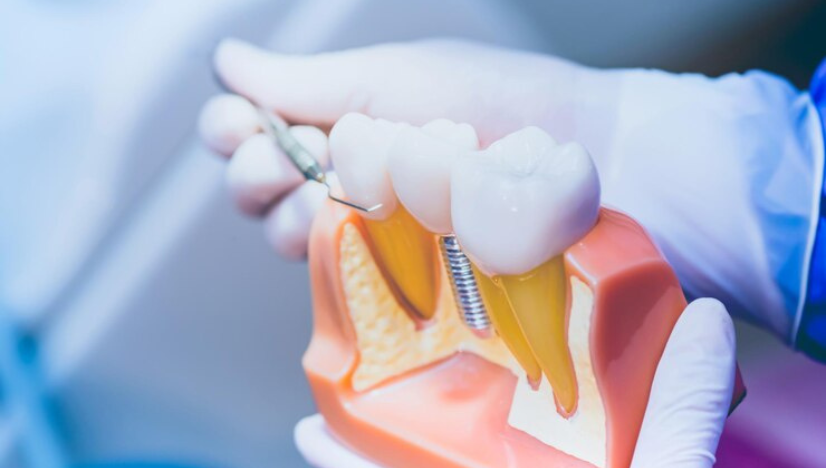
Technological advancements are transforming the field of dentistry, and one of the most groundbreaking innovations is robot-assisted dental implant surgery. Robotics is revolutionizing the way dental implants are placed by enhancing precision, reducing surgical errors, and improving patient outcomes. With artificial intelligence (AI) and robotic-assisted systems becoming more prevalent, dental professionals can now offer safer, faster, and more efficient implant procedures.
The Role of Robotics in Dental Implant Surgery
Robotic-assisted technology in dental implant surgery primarily focuses on precision-guided implant placement. These systems assist dentists and oral surgeons by providing real-time navigation and feedback, ensuring optimal positioning of dental implants.
1. Enhanced Accuracy and Precision
Traditional dental implant placement relies heavily on the surgeon’s expertise and hand stability. Robotics eliminates human error by offering:
- 3D imaging and virtual planning, allowing precise preoperative simulations.
- Computer-guided placement, ensuring optimal angulation, depth, and alignment.
- Real-time monitoring, minimizing the risk of implant misalignment and improving long-term success rates.
2. Minimally Invasive Procedures
With robotic-assisted surgery, dentists can perform minimally invasive procedures, reducing trauma to surrounding tissues. Benefits include:
- Smaller incisions, leading to less post-operative pain and swelling.
- Faster healing times, allowing patients to resume normal activities sooner.
- Reduced risk of complications, such as nerve damage or improper osseointegration.
3. Improved Patient Safety
Robotic systems incorporate AI-driven safety features, ensuring a controlled and predictable surgical environment. These features help:
- Prevent accidental deviations during surgery.
- Reduce patient discomfort by optimizing implant placement.
- Provide real-time feedback to assist surgeons in making precise movements.
Types of Robotic Technologies Used in Dental Implant Surgery
1. Computer-Guided Surgery Systems
These systems use 3D cone-beam computed tomography (CBCT) scans and digital impressions to create a virtual model of the patient’s jaw. Surgeons use this data to plan the exact implant position before surgery, reducing guesswork and increasing accuracy.
2. Haptic Robotics
Haptic robotic systems provide tactile feedback, allowing surgeons to maintain control while receiving assistance from robotic guidance. These systems prevent over-drilling and ensure correct placement depth.
3. Fully Autonomous Robotics
Although still in development, fully autonomous robotic systems are being designed to place implants with minimal human intervention. These systems analyze real-time data and adjust movements to optimize implant success.
The Benefits of Robotics in Dental Implantology
- Higher Success Rates: Robotic precision ensures better osseointegration and longevity of implants.
- Shorter Surgery Duration: With advanced planning and guided assistance, procedures are completed faster.
- Personalized Treatment Plans: Digital workflows allow customization based on each patient’s unique anatomy.
- Reduced Stress for Surgeons: Robotics reduce fatigue and allow dentists to focus on patient care rather than manual precision.
Worried about missing teeth in Bhopal? If you’re concerned about your smile, don’t hesitate to seek expert care. At Smile Gallery, our specialists use advanced robotics for best dental implant in Bhopal, ensuring precision and lasting results. Contact us today let us help restore your confident smile!
The Future of Robotic Dentistry
The future of robotic dentistry looks promising, with ongoing advancements expected to make dental implant surgery even more efficient and accessible. AI-driven robotic systems will continue to refine implant placement techniques, ensuring optimal patient outcomes.
As robotics become more integrated into dental practices, patients can expect safer, faster, and more reliable implant procedures. This revolutionary technology is setting a new standard in modern dentistry, making dental implant placement more precise and successful than ever before.
Robotics is transforming dental implant surgery by improving precision, safety, and efficiency. With computer-guided technology, haptic feedback systems, and AI-driven advancements, dental professionals can now perform minimally invasive and highly accurate implant procedures. As robotic dentistry continues to evolve, both patients and practitioners will benefit from enhanced treatment outcomes and a higher standard of care.