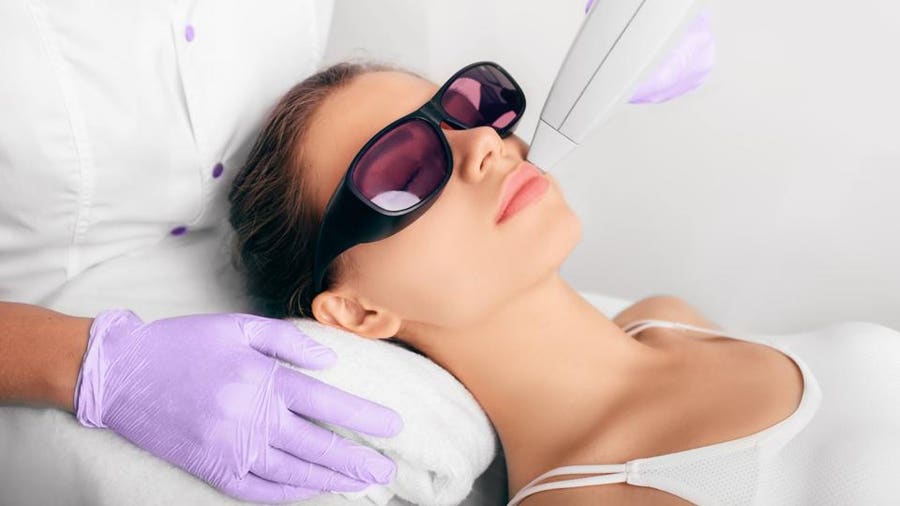
Laser hair removal is a popular and effective method for reducing unwanted hair, offering long-lasting results with minimal maintenance. However, as with any cosmetic procedure, safety is a primary concern for many individuals considering the treatment. While Laser Hair Removal in Dubai[إزالة الشعر بالليزر في دبي] is generally safe when performed by a qualified professional, there are certain factors to consider to ensure the procedure is done correctly and without complications. Here’s what you need to know about the safety of laser hair removal.
FDA Approval and Professional Regulation:
Laser hair removal devices are regulated by the U.S. Food and Drug Administration (FDA), which ensures that the equipment used for the procedure meets safety standards. These devices are designed to target hair follicles with light energy while minimizing damage to surrounding skin. However, the safety of laser hair removal also depends on the skill and experience of the practitioner performing the procedure. It’s essential to choose a licensed professional who is trained in using the specific laser technology for hair removal. Undergoing treatment at a reputable clinic ensures that the procedure is performed safely and that appropriate protocols are followed.
Minimal Risk of Side Effects:
For most individuals, laser hair removal is a safe procedure with minimal risk of side effects. Common side effects include temporary redness, swelling, and slight irritation in the treated area, which typically subside within a few hours to a couple of days. Some people may experience a mild sunburn-like sensation after the treatment, but this is generally temporary. Serious side effects, such as burns, scarring, or changes in skin pigmentation, are rare and often occur when the procedure is performed by an unqualified practitioner or on patients with specific risk factors. Following aftercare instructions and ensuring that the treatment is tailored to your skin and hair type can minimize these risks.
Risks for Certain Skin Types:
Laser hair removal works by targeting the pigment in the hair, which means it is generally most effective for individuals with light skin and dark hair. However, advancements in technology have made it possible for people with darker skin tones to safely undergo laser hair removal, though the procedure requires a different type of laser. People with darker skin may be at a higher risk for pigmentation changes, such as hypopigmentation (light spots) or hyperpigmentation (dark spots), particularly if the wrong laser type is used. It’s crucial to undergo a consultation to determine the right type of laser for your skin and hair color to minimize the risk of these issues. Light hair colors, such as blonde or gray, may also be less responsive to laser treatment, as they don’t absorb the laser energy as effectively.
Pre- and Post-Treatment Considerations:
To ensure that laser hair removal is as safe and effective as possible, certain precautions should be taken before and after the procedure. Before treatment, it’s important to avoid sun exposure for at least two weeks, as tanned skin can increase the risk of complications such as burns or pigmentation changes. Additionally, individuals with a history of cold sores may need to take antiviral medication before treatment if the treatment area is near the mouth or lips, as laser hair removal can sometimes trigger outbreaks. After the procedure, it’s essential to follow all aftercare instructions, including avoiding direct sunlight, applying sunscreen, and refraining from waxing or plucking hair. Proper aftercare can help prevent complications and ensure optimal results.
Not Recommended for Certain Medical Conditions:
Laser hair removal is generally safe for healthy individuals, but certain medical conditions or medications may make it unsuitable for some people. Individuals with active skin infections, rashes, or certain chronic conditions such as lupus or diabetes should consult their doctor before undergoing laser hair removal. Additionally, those who are pregnant or breastfeeding should avoid laser hair removal due to limited studies on its effects during pregnancy. People who use medications that increase skin sensitivity, such as oral retinoids or certain antibiotics, may also be advised to delay treatment until they have completed their course of medication. Discussing your medical history with a practitioner beforehand can help determine whether laser hair removal is right for you.