


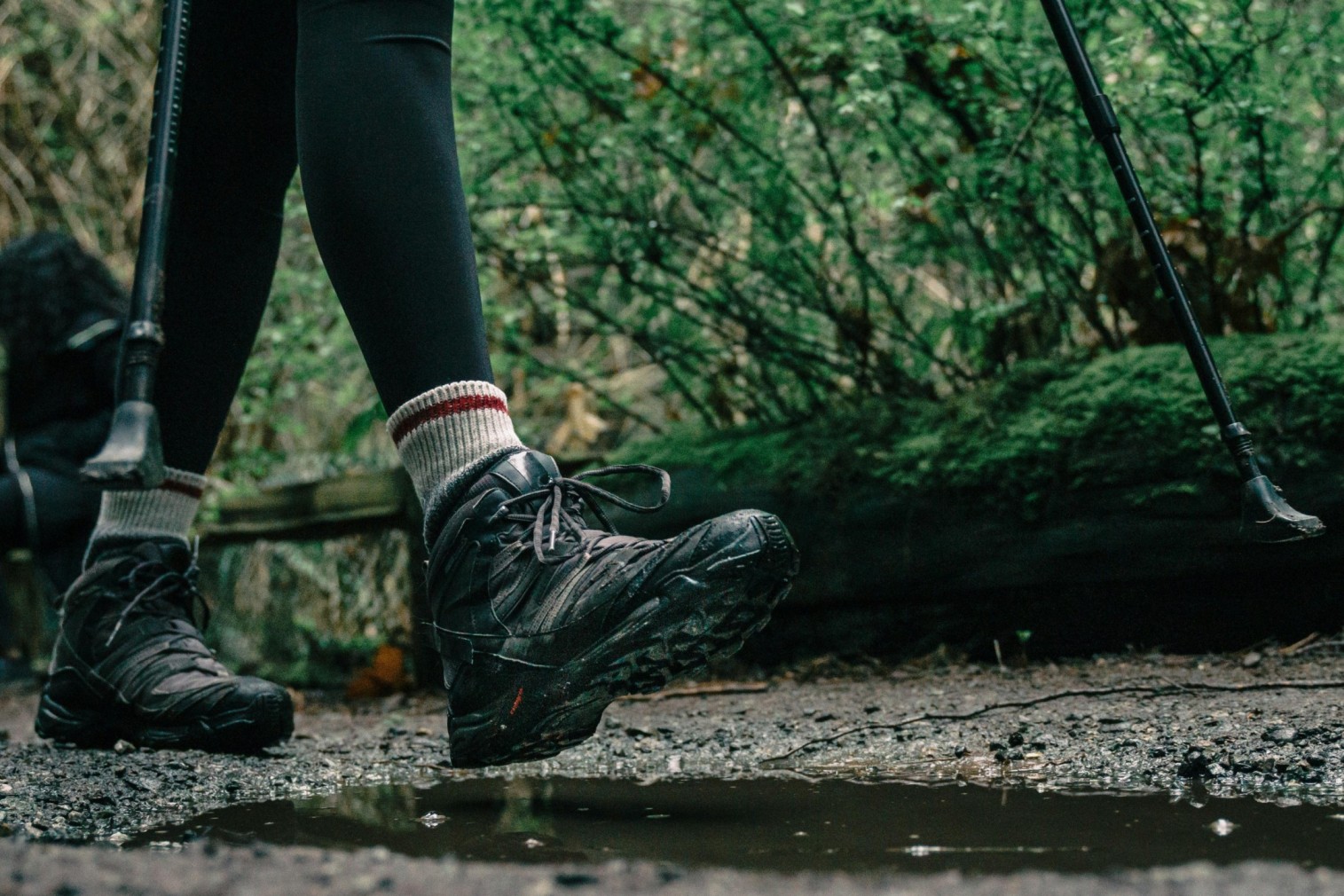
Selecting the perfect pair of hiking boots is a crucial decision that can make or break your outdoor experience. The right boots will carry you comfortably over challenging terrain, protect your feet from the elements, and support you through long days on the trail. However, with the vast array of options available, choosing the ideal hiking boots can be overwhelming.
Whether you’re planning your first day hike or preparing for a multi-day backpacking trip, understanding the key aspects of hiking boots will help you make an informed decision.
Understanding Boot Types
Hiking footwear generally falls into three categories: hiking shoes, day hiking boots, and backpacking boots. Each type is designed for different hiking conditions and levels of difficulty. At Legend Footwear, we offer a diverse collection of Hiking Boots for men & women that spans these categories, ensuring hikers of all levels can find their perfect match.
Hiking Shoes
Lightweight and flexible, hiking shoes are ideal for well-maintained trails and day hikes in dry conditions. These shoes prioritize ground feel, flexibility, and natural foot movement, making them ideal for experienced hikers with strong ankles tackling easy to moderate day hikes.
Brands like Vivobarefoot exemplify the best in minimalist hiking footwear, providing exceptional breathability and agility without compromising on protection.
Day Hiking Boots
Day hiking boots strike a balance between lightweight design and robust protection. Models like the Keen Targhee III are well-suited for moderate to challenging day hikes and even light backpacking trips. These boots offer increased ankle support and protection against trail hazards without the bulk of heavier backpacking boots.
Backpacking Boots
For multi-day hikes or challenging terrains with heavy loads, backpacking boots offer the most support and durability. The Lowa Renegade GTX exemplifies this category, featuring a high-cut design for maximum ankle support and sturdy construction to handle heavy loads. If your adventures often involve extended backpacking trips or traversing rough, uneven terrain, investing in a pair of robust backpacking boots could significantly enhance your hiking experience.
Choosing the Right Boot Materials
The choice of boot material significantly impacts performance, durability, and comfort. Let’s explore the most common materials used in hiking boots and their characteristics:
Leather
Full-grain leather is renowned for its exceptional durability and water resistance, making it excellent for rugged terrain and heavy loads. This material excels in tough conditions and provides long-lasting protection. However, it requires an extensive break-in period and is less breathable than synthetic options, which can be a drawback in hot weather or for hikers prone to sweaty feet.
Split-grain leather, often combined with nylon, offers a more affordable and breathable alternative to full-grain leather. While it sacrifices some durability and water resistance, it provides a good balance of performance and comfort. This option is popular for hikers who want some of the benefits of leather without the extended break-in period or higher cost.
Synthetic Materials
Synthetic materials like nylon and polyester have gained popularity in recent years due to their lightweight nature and quick-drying properties. These materials typically require a shorter break-in period and are often more affordable than leather options.
Synthetic boots are excellent for hikers who prioritize comfort right out of the box and those who frequently hike in wet conditions where quick-drying properties are beneficial. However, they generally don’t match the durability of high-quality leather boots, which may be a consideration for those tackling very rugged terrain or planning extended trips.
Waterproof Membranes
Waterproof membranes, such as Gore-Tex, are often used in combination with leather or synthetic materials to enhance water resistance. These membranes provide excellent protection against wet conditions, making them ideal for hikers who frequently encounter rain, snow, or stream crossings. However, they can reduce breathability and increase boot weight, which may not be ideal for all situations. While waterproof membranes are crucial for consistently wet environments, they may be unnecessary and potentially uncomfortable in primarily dry conditions where breathability is more important than water resistance.
If you’d like to explore more about different waterproofing techniques, you can read our full blog about waterproofing technologies in shoes.
Sole Construction: The Foundation of Your Hike
The sole of a hiking boot is crucial for comfort, traction, and durability. It consists of three main parts: the outsole, midsole, and insole.
Outsole
The outsole, typically made of rubber, provides traction. Look for deep, multidirectional lugs for better grip on varied terrain. Vibram soles are well-regarded for their excellent traction and durability. A distinct heel brake can significantly improve downhill traction.
Midsole
The midsole, responsible for cushioning and stability, is typically made of EVA (Ethylene Vinyl Acetate) or polyurethane. EVA is lighter and cushier but less durable, while polyurethane is firmer, more durable, and better suited for backpacking and rougher terrain. The thickness of the midsole affects cushioning and trail sensitivity – thicker midsoles offer more cushioning but less trail feel.
Insole
The insole provides additional cushioning and support. Many hikers opt for aftermarket insoles to significantly improve comfort and support, especially those with specific foot conditions or requirements.
Fitting for Comfort and Performance
Your comfort on the trail begins with how well your hiking boots fit. A proper fit is crucial for preventing blisters and ensuring an enjoyable hiking experience. As you try on hiking boots, keep these key points in mind:
- Toe Room: You need enough space to wiggle your toes comfortably. Aim for about a thumb’s width of space between your toe and the front of the boot. This extra room is essential when you’re descending steep trails, as it prevents your toes from jamming against the front of the boot.
- Midfoot and Heel: Your boot should feel snug around the midfoot and heel areas. A secure fit here prevents your foot from sliding forward and reduces the risk of blisters. As you walk, you’ll want to feel minimal heel lift to avoid friction.
- Ankle Support: If you’ve chosen a mid or high-cut boot, like the Lowa Renegade GTX or the Keen Targhee III, you’ll need to assess how the ankle collar feels. It should offer support without creating pressure points or restricting your range of motion too much. The right balance of support and flexibility depends on the type of hiking you plan to do.
- Wear Your Hiking Socks: Always try on hiking boots with the socks you plan to wear on the trail. This ensures you get an accurate fit and helps you assess the overall comfort of the boot-sock combination.
Remember, the best hiking boot is the one that fits your foot and your adventure. Don’t get hung up on brand names or fancy features. Focus on comfort, durability, and suitability for your trails. Your feet will thank you.


