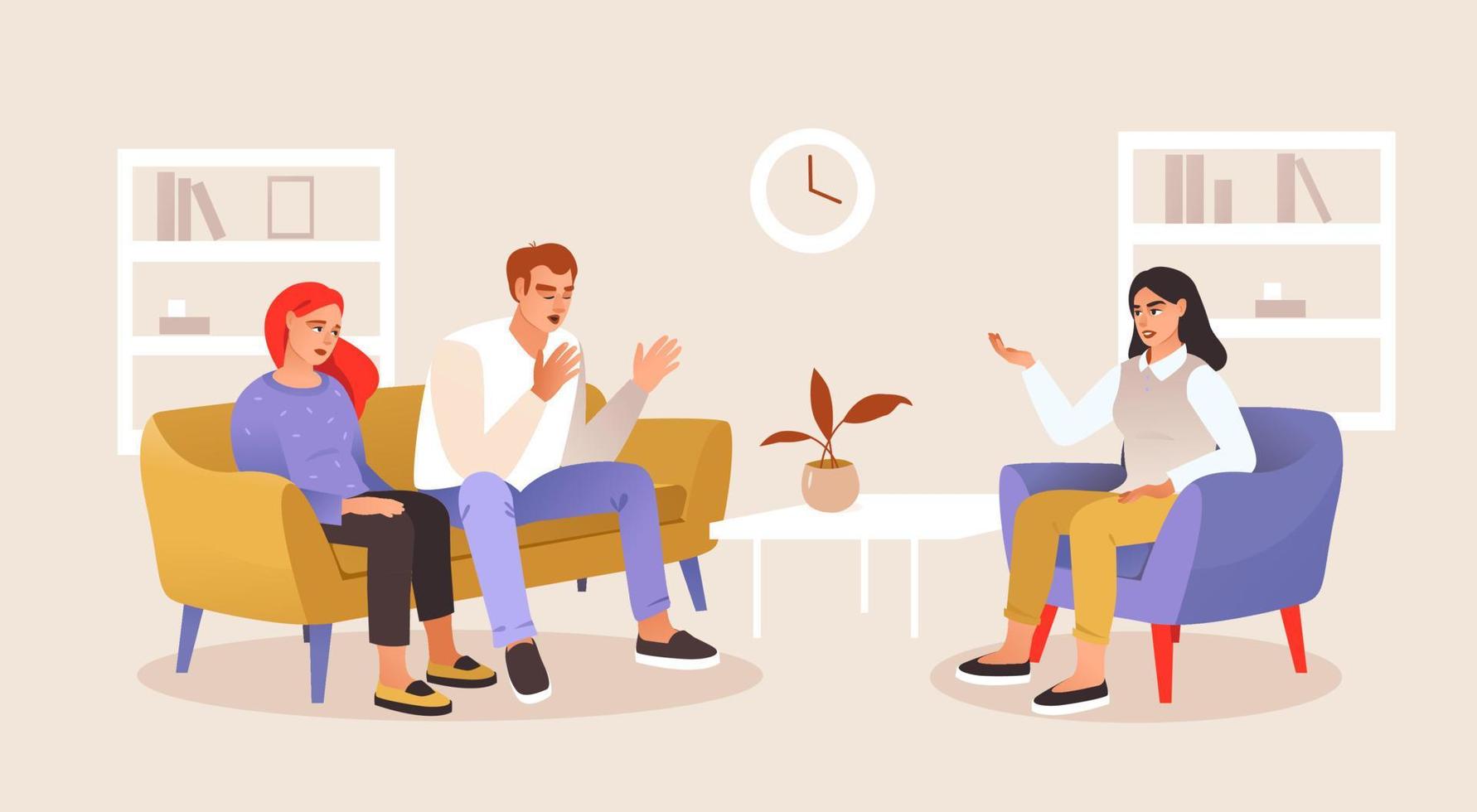
Embarking on the journey of couple counselling can be a significant step towards improving your relationship. However, the prospect of opening up to a couple counsellor for the first time can also feel daunting. To make the most of your first session, it’s important to prepare adequately. Here, we’ll guide you through the steps to get ready for your initial meeting with a couple counsellor, ensuring that you and your partner start on the right foot.
-
Understand the Purpose of Couple Counselling
Before your first session, it’s crucial to understand what couple counselling is and what it aims to achieve. Couple counselling involves working with a professional to address and resolve relationship issues, improve communication, and strengthen your bond. Knowing that the goal is to foster a healthier, more satisfying relationship can help you approach the process with an open mind and realistic expectations.
-
Choose the Right Couple Counsellor
Selecting a suitable couple counsellor is an essential step. Look for a licensed and experienced professional who specializes in couple counselling. Read reviews, seek recommendations, and consider their approach to therapy. Ensuring that both partners feel comfortable with the counsellor is key to a successful counselling experience.
-
Set Clear Goals
Discuss with your partner what you hope to achieve through counselling. Are you looking to improve communication, resolve specific conflicts, or rebuild trust? Setting clear, mutual goals will help you stay focused and give your couple counsellor a better understanding of your needs.
-
Communicate with Your Partner
Openly discuss the upcoming counselling session with your partner. Share your feelings, concerns, and expectations. This conversation can help alleviate anxiety and ensure that both of you are on the same page regarding the process and objectives.
-
Complete Any Pre-Session Paperwork
Many counsellors provide intake forms or questionnaires to be filled out before the first session. These forms typically cover your relationship history, current issues, and individual backgrounds. Completing this paperwork thoroughly and honestly will give your counsellor valuable insights and save time during the session.
-
Reflect on Your Relationship
Take some time to reflect on your relationship. Consider the strengths and weaknesses, recurring issues, and what you love about your partner. This reflection will help you articulate your thoughts and feelings more clearly during the session.
-
Be Ready to Share
Couple counselling requires honesty and openness. Be prepared to share your perspectives, feelings, and experiences. While it may be uncomfortable at first, remember that being open is essential for effective counselling.
-
Prepare Emotionally
It’s normal to feel a range of emotions before your first session, from anxiety to hope. Try to approach the session with a positive attitude and a willingness to engage in the process. Practicing mindfulness or relaxation techniques can help manage any pre-session nerves.
-
Plan Logistics
Ensure you know the details of your appointment: time, location (or virtual setup), and duration. If the session is virtual, make sure your technology is set up and functioning properly. Arriving on time or logging in early can help reduce stress and ensure you start the session calmly.
-
Create a Supportive Environment
If you’re attending a virtual session, choose a quiet, comfortable space where you can talk openly without interruptions. Make sure you have privacy and that both partners are equally comfortable in the setting.
What to Expect in Your First Couple Counselling Session
-
Introduction and Rapport Building
The first session usually begins with introductions and a brief overview of the counselling process. The counsellor will work to build rapport with both partners, creating a safe and comfortable environment for open discussion.
-
Discussing the Counselling Process
Your couple counsellor will explain how the sessions will proceed, what methods and approaches they use, and what you can expect moving forward. This overview helps demystify the process and sets clear expectations.
-
Sharing Background Information
Both partners will have the opportunity to share their relationship history, current issues, and what they hope to achieve through counselling. This information helps the counsellor understand your relationship dynamics and tailor their approach to your specific needs.
-
Setting Goals
Together with your counsellor, you’ll discuss and refine your goals for counselling. Setting clear and achievable objectives provides direction and purpose for your sessions.
-
Identifying Key Issues
Your counsellor will help identify the key issues affecting your relationship. This may involve exploring communication patterns, conflicts, and underlying emotional factors. Identifying these issues is the first step towards addressing and resolving them.
-
Establishing Ground Rules
Effective couple counselling requires a respectful and constructive environment. Your counsellor may establish ground rules for communication, such as taking turns speaking, avoiding blame, and practicing active listening. These rules help ensure productive and positive interactions during sessions.
Tips for a Successful Counselling Experience
-
Stay Open-Minded
Approach each session with an open mind and a willingness to consider new perspectives. Being receptive to your partner’s views and the counsellor’s insights can lead to meaningful progress.
-
Practice Patience
Relationship issues often take time to resolve. Be patient with yourself, your partner, and the counselling process. Progress may be gradual, but consistent effort and commitment can lead to lasting improvements.
-
Be Honest and Vulnerable
Honesty is crucial for effective counselling. Be willing to share your true feelings and experiences, even if they are difficult to express. Vulnerability can foster deeper understanding and connection between partners.
-
Apply What You Learn
Couple counselling is most effective when you apply the insights and techniques learned in sessions to your daily life. Practice new communication skills, conflict resolution strategies, and other tools outside of counselling to reinforce positive changes.
-
Commit to the Process
Successful couple counselling requires commitment from both partners. Attend sessions regularly, participate actively, and engage in homework or exercises suggested by your counsellor. Consistency and dedication are key to achieving your relationship goals.
Conclusion
Preparing for your first couple counselling session with a couple counsellor can set the stage for a productive and transformative experience. By understanding the purpose of counselling, choosing the right counsellor, setting clear goals, and communicating openly with your partner, you can make the most of your initial session. Remember, the journey towards a healthier, more satisfying relationship requires patience, honesty, and commitment. With the guidance of a skilled couple counsellor, you and your partner can navigate challenges, improve your connection, and build a stronger, more resilient relationship.
You may also like: What Is the Best Therapy for Relationship Issues?