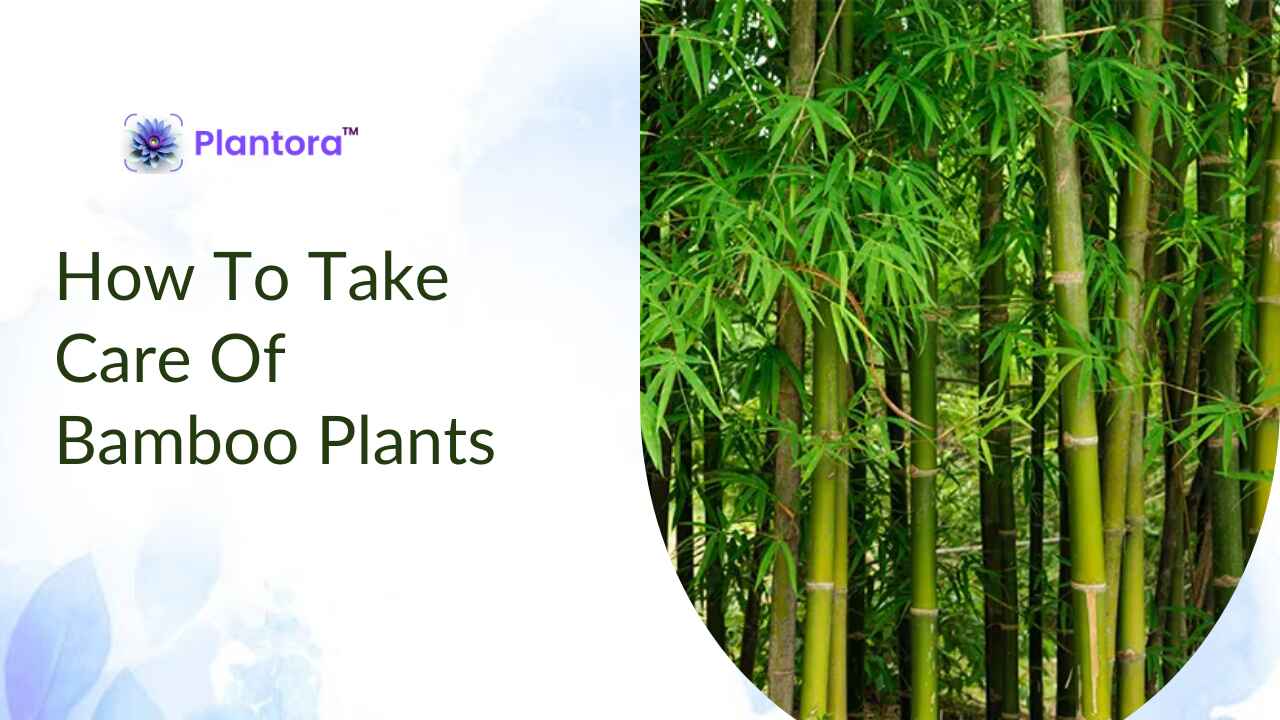
Bamboo Plant is a rapidly growing woody-stemmed perennial grass, one of the most common plants in tropical and subtropical areas. Bamboo flowers and fruits exist only once, after which they die. Bamboo flowering cycles can last seven to sixty years, depending on the species.
Bamboo has numerous applications, including construction, furniture, food, biofuel, textiles, paper, pulp, charcoal, and beautiful garden planting. It also offers environmental advantages, such as being an excellent choice for phytoremediation and a large carbon sink that improves soil erosion and structure.
Bamboo is a flexible, fast-growing plant with a variety of applications. It is used in construction (flooring, furniture, and scaffolding), textiles (clothing and bedding), and paper production. It is utilized as a food source (bamboo shoots), to prevent soil erosion, and in environmentally friendly items including cutlery, straws, and biodegradable packaging.
Bamboo has medicinal properties as well. Whether grown in gardens, pots, or large plantations, it demands close attention to hydration, soil quality, and environmental conditions.
Bamboo’s rapid growth and appealing look make it a popular choice for landscaping and environmental protection. Understanding the bamboo species’ specific requirements and adapting to its growing conditions helps ensure its long-term health and appeal. Bamboo is not only a beautiful addition to the landscape but also a long-term and successful investment.
So, let’s examine some of the Bamboo Plant’s essential requirements and needs and learn how to cultivate them.