Thinking about getting a dental implant? You’re not alone. To restore their confidence and replace lost teeth, many people are opting for implants. But let’s be honest, the idea of surgery can feel a bit scary, especially if you’re not sure what to expect.
What Is a Dental Implant, Anyway?
Before we proceed, let’s clarify a few points.
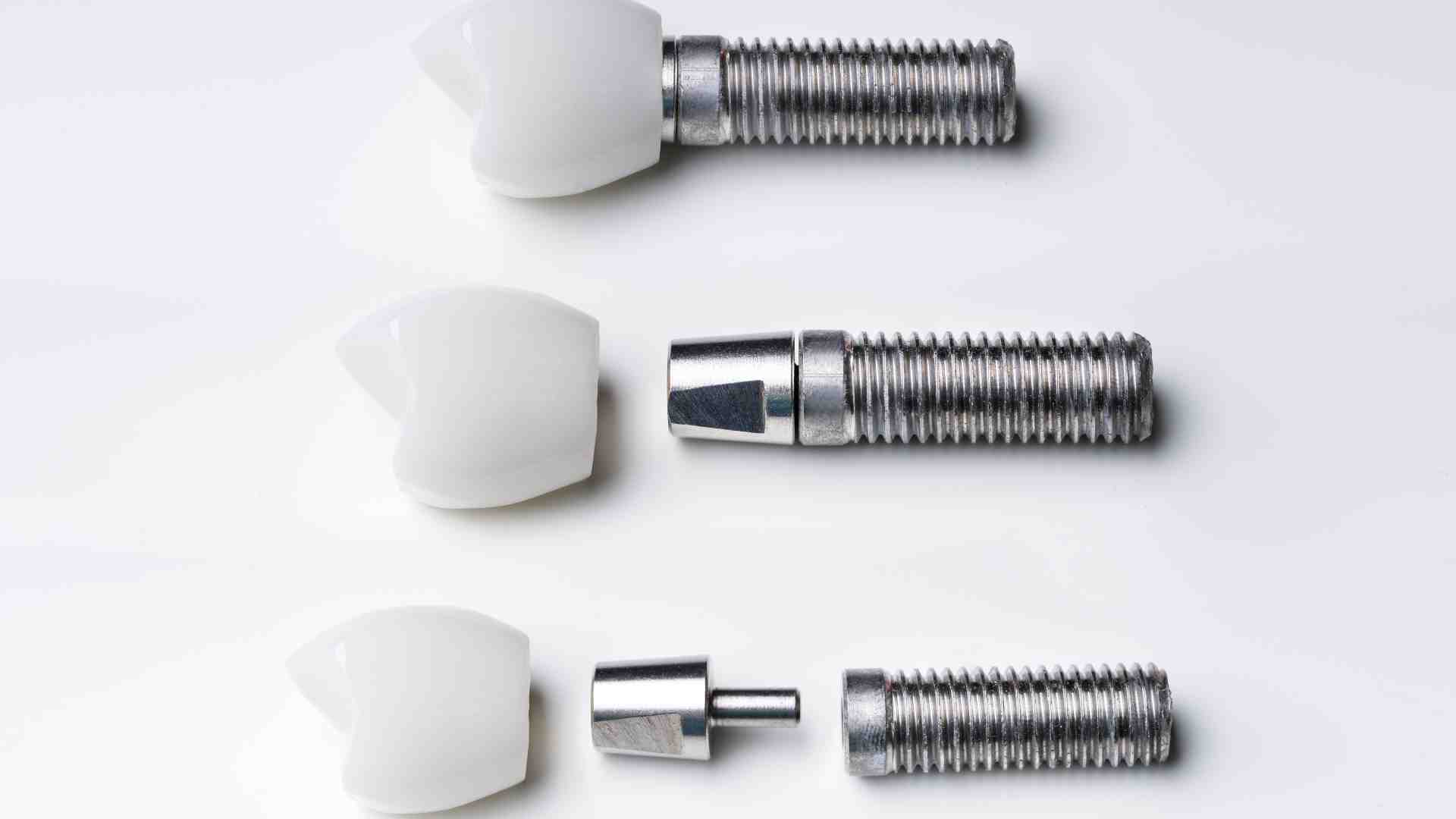
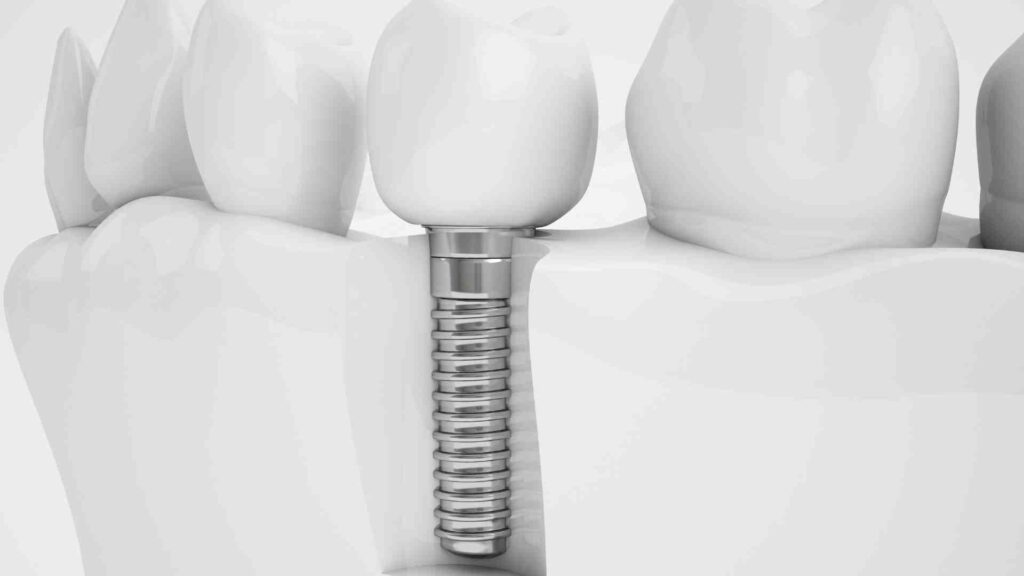
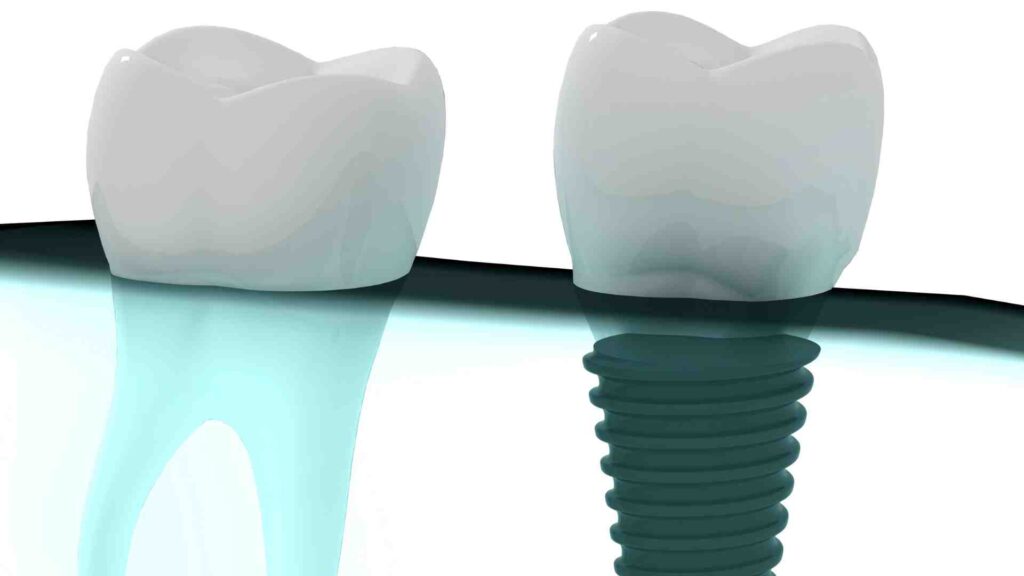
The root of a lost tooth is replaced by a tiny post called a dental implant, which is often composed of titanium. Once it’s in place, a crown (the part that resembles your natural tooth) is placed on top of it. The result? A tooth that looks and feels natural.
I had one placed two years ago. I lost a front tooth during a weekend soccer game (yes, it was painful). At first, I was nervous about the surgery. But now, I barely notice the implant, and I smile without even thinking about it.
Step-by-Step: What Happens During Dental Implant Surgery
Step 1: The Initial Consultation
This is your first meeting with the dentist. You’ll discuss your health, goals, and whether implants are a suitable option for you. Expect X-rays or a 3D scan to check your bone structure.
Tip: Prepare a list of inquiries. Ask how long the process will take and what your options are.
Step 2: Treatment Planning
After your consultation, the dentist creates a plan just for you. This includes the number of implants, the type of crown, and the timeline for the procedure.
If you’re missing more than one tooth or need extra support, they may discuss a bone graft. Please don’t panic, we’ll explain this below.
Step 3: Bone Grafting (If Needed)
Sometimes your jawbone isn’t strong enough to hold the implant. This happened to my cousin, Jeff. He put off getting a tooth replaced for too long, and his bone wore down.
So, his dentist added bone material to rebuild it. He waited a few months for it to heal. Now? You’d never know he had an issue. Not everyone needs this step, but if you do, it’s worth it.
Step 4: Placing the Implant
This is the actual surgery. But don’t worry, you’ll be numb and comfortable.
The dentist makes a small cut in your gum and drills a tiny hole in the bone. Then the implant post is placed. The gum is stitched up, and healing begins.
You may experience soreness for a few days. Plan to take it easy. Eat soft foods, avoid smoking, and follow your dentist’s advice.
Step 5: Healing and Osseointegration
Here’s where patience is key. Your implant needs to fuse with your bone in a process called osseointegration.
Three to six months may pass during this time. Although it may seem lengthy, this part is essential. Without it, the implant won’t be stable. During this time, you’ll have checkups to ensure everything is on track.
Step 6: Attaching the Abutment
Once healing is done, the dentist places a small connector on top of the implant. This is called the abutment. It sticks out above the gum and will hold your crown in place. This part is quick and often done with just local anesthesia.
Step 7: Placing the Crown
The final step is placing your new tooth. After taking impressions, your dentist will create a crown that is precisely the same color and shape as the rest of your teeth. When it’s ready, it’s attached to the abutment.
That’s it, you’re done. You’ll walk out with a full smile.
Real Talk: Is It Worth It?
In one word: Yes.
Dental implants last a long time if you take care of them. They feel like real teeth, and you don’t have to worry about them slipping like dentures.
I still remember the first time I looked in the mirror after getting mine. I had forgotten what it felt like to smile without feeling awkward. I even started talking more in group meetings at work: a small change with a significant result.
Tips for a Smooth Experience
Maintaining a nutritious diet to promote healing, brushing, flossing, and using mouthwash every day, as well as attentively following your dentist’s recommendations, are all crucial for ensuring that your dental implant heals well and lasts a long time.
Avoid harmful habits like smoking or biting on hard foods that could damage the implant. Always attend your follow-up appointment, even if you feel fine, as your dentist needs to monitor your progress and catch any issues early.
What Happens After the Implant?
After your crown is placed, life goes back to normal. You can eat, smile, and speak without worry. Still, it’s advisable to schedule regular dental checkups.
Some people forget it’s even there. I remember my friend Rachel saying she had started chewing gum and biting into apples again after years of avoiding them. That small change made her feel like herself again.
Consult your dentist about a mouthguard if you grind your teeth at night. Protecting your implant is just as crucial as placing it.
Common Questions People Ask
Many people wonder how painful dental implant surgery is, but the truth is that it’s not as bad as it sounds. Most patients are fully numb during the procedure and describe the after-surgery discomfort as mild. When it comes to who can get an implant, most healthy adults are eligible; however, a dentist will first need to assess the condition of your bone and gums.
As for cost, it largely depends on factors such as your location and the number of implants you require; some insurance plans do offer partial coverage, so it’s worth inquiring about. And the finest aspect? A dental implant is a long-lasting way to rebuild your smile, as with proper maintenance, it can last for many years, often even decades.
Getting a dental implant is a big decision, but it doesn’t have to be a scary one. Once you know what to expect, it becomes much easier to handle. Consult with your dentist, ask questions, and take your time to make an informed decision. Your new smile may be closer than you think, and with the proper care and a bit of patience, you could be on your way to feeling like yourself again. Talk openly with your dentist about whether a dental implant is the best course of action for you if you’re considering getting one.
FAQS
1. Is the surgery painful?
Most patients feel little to no pain during surgery due to anesthesia. Mild soreness may follow.
2. Can anyone get a dental implant?
Most healthy adults can, but bone and gum health must be checked first.
3. How much does a dental implant cost?
It varies based on location and the number of implants. Some insurance plans may help.
4. How long do implants last?
With good care, they can last 10–30 years or even longer.
5. What if my bone isn’t strong enough?
A bone graft may be needed to support the implant properly.



 After your crown is placed, life goes back to normal. You can eat, smile, and speak without worry. Still, it’s advisable to schedule regular dental checkups.
Some people forget it’s even there. I remember my friend Rachel saying she had started chewing gum and biting into apples again after years of avoiding them. That small change made her feel like herself again.
Consult your dentist about a mouthguard if you grind your teeth at night. Protecting your implant is just as crucial as placing it.
After your crown is placed, life goes back to normal. You can eat, smile, and speak without worry. Still, it’s advisable to schedule regular dental checkups.
Some people forget it’s even there. I remember my friend Rachel saying she had started chewing gum and biting into apples again after years of avoiding them. That small change made her feel like herself again.
Consult your dentist about a mouthguard if you grind your teeth at night. Protecting your implant is just as crucial as placing it.