


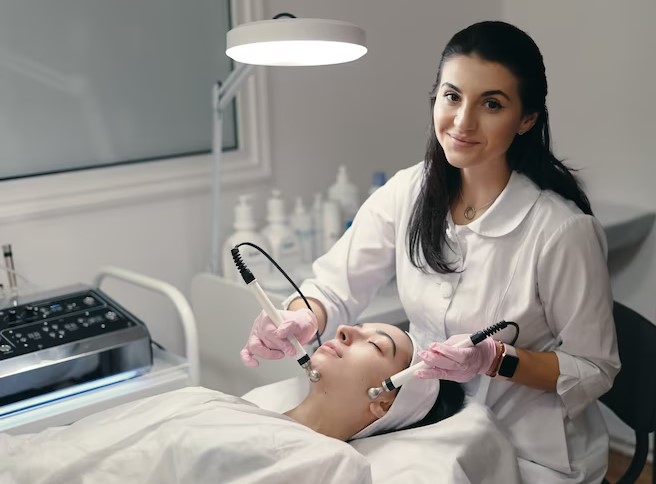
Laser facial treatment has become a popular choice for individuals seeking effective skin rejuvenation. Whether it’s addressing acne scars, pigmentation, or the signs of aging, laser technology offers transformative results. However, not all skin types respond the same way to laser treatments. Understanding which laser treatments work best for your specific skin type is crucial for achieving optimal results and minimizing risks. In this article, we’ll explore how laser facial treatment is customized for different skin types, what you need to consider before choosing one, and the benefits and risks involved.
Understanding Laser Facial Treatments
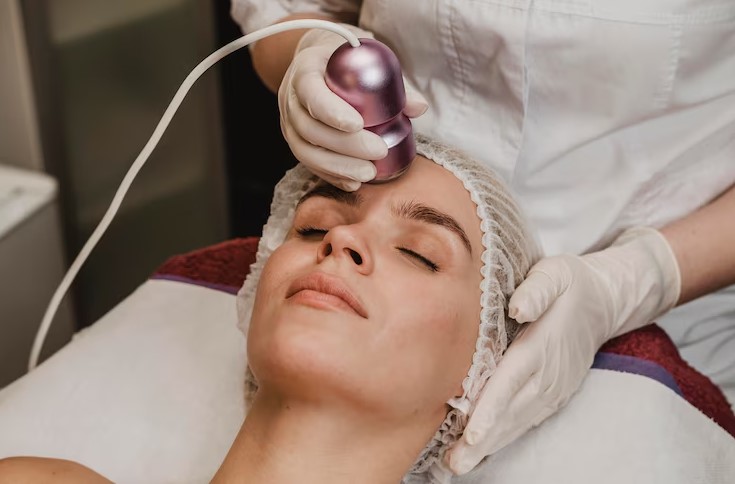
Laser facial treatment uses focused beams of light to target specific areas of the skin, encouraging collagen production and promoting the regeneration of new skin cells. The treatment can address a wide range of skin concerns, including wrinkles, fine lines, sun damage, acne scars, and uneven skin tone or texture. There are several types of laser treatments available, each designed to address different skin concerns and suit various skin types.
Types of Laser Facial Treatments
Laser treatments are generally divided into three main categories:
1. Ablative Lasers
Ablative lasers work by removing the outer layer of the skin, making them effective for more serious skin issues like deep wrinkles, significant sun damage, and stubborn scars. CO2 and Erbium lasers are examples of ablative lasers. Because these lasers are more aggressive, they usually result in more downtime and a longer recovery period, but the results are often more dramatic.
2. Non-Ablative Lasers
Non-ablative lasers, such as Nd and diode lasers, do not remove the outer skin layer. Instead, they penetrate beneath the surface, stimulating collagen production without affecting the epidermis. These lasers are often used for treating fine lines, minor pigmentation issues, and early signs of aging. Non-ablative lasers are less invasive, requiring minimal recovery time.
3. Fractional Lasers
Fractional lasers, available in both ablative and non-ablative forms, target only a fraction of the skin’s surface at a time. This promotes faster healing and reduces downtime. Fractional lasers are ideal for addressing various skin concerns, including acne scars, enlarged pores, fine lines, and age spots.
Matching Laser Treatments to Skin Types
One of the most important factors in choosing the right laser facial treatment is understanding your skin type. The Fitzpatrick scale classifies skin types from very fair (Type I) to very dark (Type VI). Each type has different reactions to laser treatments, making it crucial to select the correct treatment for optimal results and safety.
Laser Treatments for Fair Skin (Types I & II)
Fair skin, classified as Types I and II on the Fitzpatrick scale, tends to respond well to laser treatments, particularly ablative options like CO2 or Erbium lasers. These skin types generally tolerate more intense laser energy, making them ideal candidates for treatments targeting sun damage, fine lines, and pigmentation.
Benefits:
- Quick and visible results with ablative lasers.
- High tolerance for more aggressive laser treatments.
- Effective at addressing sunspots, wrinkles, and skin texture.
Risks:
- Higher likelihood of post-inflammatory redness, which may take longer to subside.
- Extended recovery time, especially with ablative treatments.
Laser Treatments for Medium to Olive Skin (Types III & IV)
Medium to olive skin (Types III and IV) requires a more cautious approach to laser treatments. Non-ablative lasers such as Nd or diode lasers are typically recommended for these skin types, as they minimize the risk of hyperpigmentation.
Benefits:
- Lower risk of pigmentation changes compared to more intense lasers.
- Effective for treating mild acne scars, fine lines, and minor sun damage.
Risks:
- Slight chance of developing post-inflammatory hyperpigmentation (PIH), especially with incorrect laser settings.
- May require additional sessions to achieve the desired results due to the lower intensity of the laser.
Laser Treatments for Dark Skin (Types V & VI)
Dark skin tones (Types V and VI) are more prone to pigmentation issues and scarring if the wrong laser or settings are used. Non-ablative lasers like Nd and fractional lasers are the safest options for treating dark skin. These lasers bypass the surface layer, targeting deeper skin tissues to avoid complications like hyperpigmentation.
Benefits:
- Safe and effective when the correct laser and settings are used.
- Ideal for improving skin texture and treating acne scars.
Risks:
- Higher risk of hyperpigmentation if improper laser settings are used.
- Potential for a longer recovery period depending on the intensity of the treatment.
Benefits of Laser Facial Treatments for All Skin Types
Laser facial treatments provide a range of benefits for every skin type, helping to improve both the appearance and texture of the skin. Here are the top benefits of laser facial treatment for all skin types:
1. Reduces Fine Lines and Wrinkles
Laser treatments stimulate collagen production, a vital protein that helps keep skin firm and youthful. This makes laser facials particularly effective in reducing fine lines and wrinkles, especially for those looking to restore a youthful appearance.
2. Improves Skin Tone and Texture
Laser treatments can address uneven skin tone, rough texture, and enlarged pores. The precision of lasers allows for targeted treatment, leading to smoother, more even skin.
3. Minimizes Scarring
Both ablative and non-ablative lasers are highly effective in reducing the appearance of scars, including acne scars and surgical scars. The treatment promotes new skin growth, leading to smoother, more refined skin.
4. Treats Hyperpigmentation and Sun Damage
Laser facial treatments are an excellent option for treating sun damage, age spots, and other forms of hyperpigmentation. By breaking down excess melanin in the skin, lasers can help restore a more even complexion.
5. Minimal Downtime with Non-Ablative Options
Non-ablative laser treatments offer the advantage of being non-invasive, meaning less recovery time and fewer risks of infection or scarring. Many people can resume their daily activities almost immediately after treatment.
Risks and Considerations
Although laser facial treatments are generally safe, there are some risks involved, especially if the procedure is not performed by a qualified professional. Here are some risks and considerations to keep in mind:
1. Hyperpigmentation
Hyperpigmentation, especially in medium to dark skin tones, is a common risk if the wrong laser is used or if incorrect settings are applied. This can result in dark spots forming after the procedure.
2. Redness and Swelling
Following a laser facial, it’s normal to experience redness and swelling, particularly with more aggressive treatments. This typically subsides within a few days but can last longer with ablative treatments.
3. Scarring
Scarring is rare but can occur if post-treatment care instructions are not followed, or if the skin is treated with too intense a laser setting. It’s essential to work with a qualified dermatologist to avoid this risk.
4. Infection
There is a slight risk of infection if the treated area is not properly cared for, particularly after ablative treatments where the skin’s protective barrier is temporarily compromised.
Preparing for Laser Facial Treatment
Proper preparation is key to achieving the best results from laser facial treatment. Before undergoing treatment, it’s important to consult with a dermatologist or skincare professional to ensure the chosen treatment is suitable for your skin type.
Key Preparation Tips:
- Avoid sun exposure: Minimize direct sun exposure for at least two weeks before the procedure to reduce the risk of complications.
- Stop using retinoids and exfoliants: Discontinue using retinoids, AHAs, or other exfoliating products several days before treatment.
- Communicate about medications: Inform your practitioner about any medications you’re taking, as certain drugs can affect skin healing.
Post-Treatment Care
After your laser facial treatment, proper aftercare is essential to avoid complications and maximize results.
Post-Treatment Care Tips:
- Use gentle skincare products: Opt for mild, non-irritating cleansers and moisturizers to keep your skin hydrated.
- Apply sunscreen: Protect your skin from UV damage with a broad-spectrum SPF of at least 30, as laser-treated skin is more sensitive to the sun.
- Avoid picking at your skin: Let the skin heal naturally to prevent scarring and infection.
- Follow your dermatologist’s instructions: Each skin type may have specific post-care requirements, so carefully follow the advice given by your practitioner.
Conclusion
Laser facial treatments are effective for all skin types, but the key to success lies in selecting the appropriate laser technology and customizing the treatment to your specific needs. Whether you have fair, medium, or dark skin, laser treatments can rejuvenate your complexion, improve skin texture, and address concerns such as pigmentation and scarring. By understanding your skin type and working with a skilled professional, you can achieve glowing, youthful-looking skin with minimal risks.


