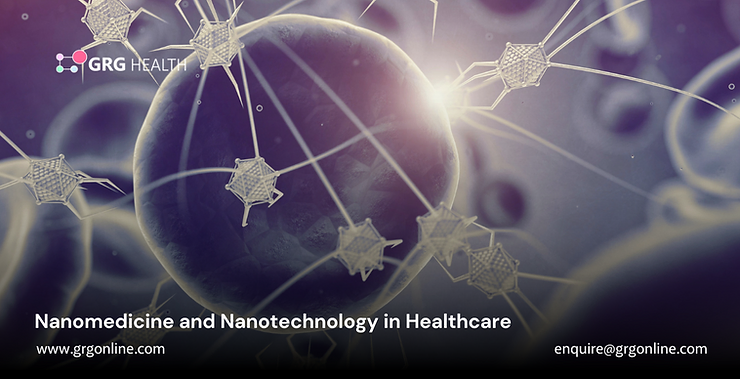
Nanotechnology is revolutionizing the healthcare industry by introducing groundbreaking innovations that enhance disease diagnosis, treatment, and prevention. This article explores the applications of nanomedicine and nanotechnology in healthcare, highlighting their transformative potential and addressing the challenges they face.
What is Nanotechnology in Healthcare?
Nanotechnology involves the manipulation of materials at the nanoscale, which is about 1 to 100 nanometers. In healthcare, this technology is applied to develop nanosystems that can perform specific functions at the cellular and molecular levels. These innovations have led to the emergence of nanomedicine, which integrates nanotechnology with medical applications to improve patient care.
Key Applications of Nanomedicine
- Targeted Drug Delivery: One of the most significant advantages of nanotechnology in medicine is its ability to deliver drugs directly to diseased cells. This targeted approach minimizes side effects and enhances the efficacy of treatments. Nanocarriers, such as liposomes and nanoparticles, are engineered to transport therapeutic agents to specific sites in the body, making treatments more effective, especially in cancer therapy.
- Diagnostics and Imaging: Nanotechnology has greatly improved diagnostic techniques, allowing for earlier and more accurate detection of diseases. Nanoparticles are used as contrast agents in imaging technologies like MRI and CT scans, providing clearer images and enabling precise disease localization. This advancement is crucial for early intervention and improved patient outcomes.
- Gene Therapy: Nanotechnology facilitates gene therapy by providing safe and efficient delivery systems for genetic material. Nanocarriers can transport DNA or RNA molecules into cells, offering potential treatments for genetic disorders and chronic diseases. This approach holds promise for conditions that were previously difficult to treat.
- Regenerative Medicine: Nanotechnology is also making strides in regenerative medicine by aiding in the development of scaffolds and materials that promote tissue regeneration. These nanomaterials can mimic the natural extracellular matrix, supporting cell growth and tissue repair, which is beneficial for wound healing and organ regeneration.
Challenges and Considerations
Despite its potential, the application of nanotechnology in healthcare is not without challenges:
- Toxicity and Safety: The small size of nanoparticles can lead to unexpected interactions within the body, raising concerns about toxicity and long-term safety. It is crucial to conduct thorough studies to understand the biocompatibility of nanomaterials and ensure they do not cause adverse effects.
- Regulatory Hurdles: The novel nature of nanotechnology poses regulatory challenges. Establishing standardized protocols and guidelines for the safe use of nanomaterials in medicine is essential for gaining regulatory approval and public trust.
- Cost and Accessibility: The high cost of developing and manufacturing nanotechnology-based solutions can limit their accessibility. Efforts must be made to reduce production costs and make these innovative treatments available to a broader population.
The Future of Nanotechnology in Healthcare
The future of nanotechnology in healthcare is promising, with ongoing research and development paving the way for new applications. Here are some potential future directions:
- Personalized Medicine: Nanotechnology could enable personalized medicine by allowing treatments to be tailored to an individual’s genetic makeup and specific disease profile. This approach promises more effective and targeted therapies.
- Integration with Artificial Intelligence: Combining nanotechnology with artificial intelligence (AI) could enhance the precision and efficiency of healthcare solutions. AI algorithms can analyze data from nanosystems to optimize treatment plans and predict patient responses.
- Environmental and Ethical Considerations: As nanotechnology continues to evolve, addressing its environmental impact and ethical implications will be crucial. Sustainable practices and transparent communication with the public will be necessary to ensure responsible development and deployment of nanotechnology in healthcare.
Conclusion
Nanomedicine and nanotechnology are at the forefront of transforming healthcare by offering innovative solutions for disease diagnosis, treatment, and prevention. While challenges remain, the potential benefits of these technologies are immense. By addressing safety, regulatory, and cost concerns, nanotechnology can revolutionize the healthcare industry and improve patient outcomes on a global scale. As research progresses, the integration of nanotechnology into mainstream medical practice will likely lead to a new era of advanced and personalized healthcare solutions.