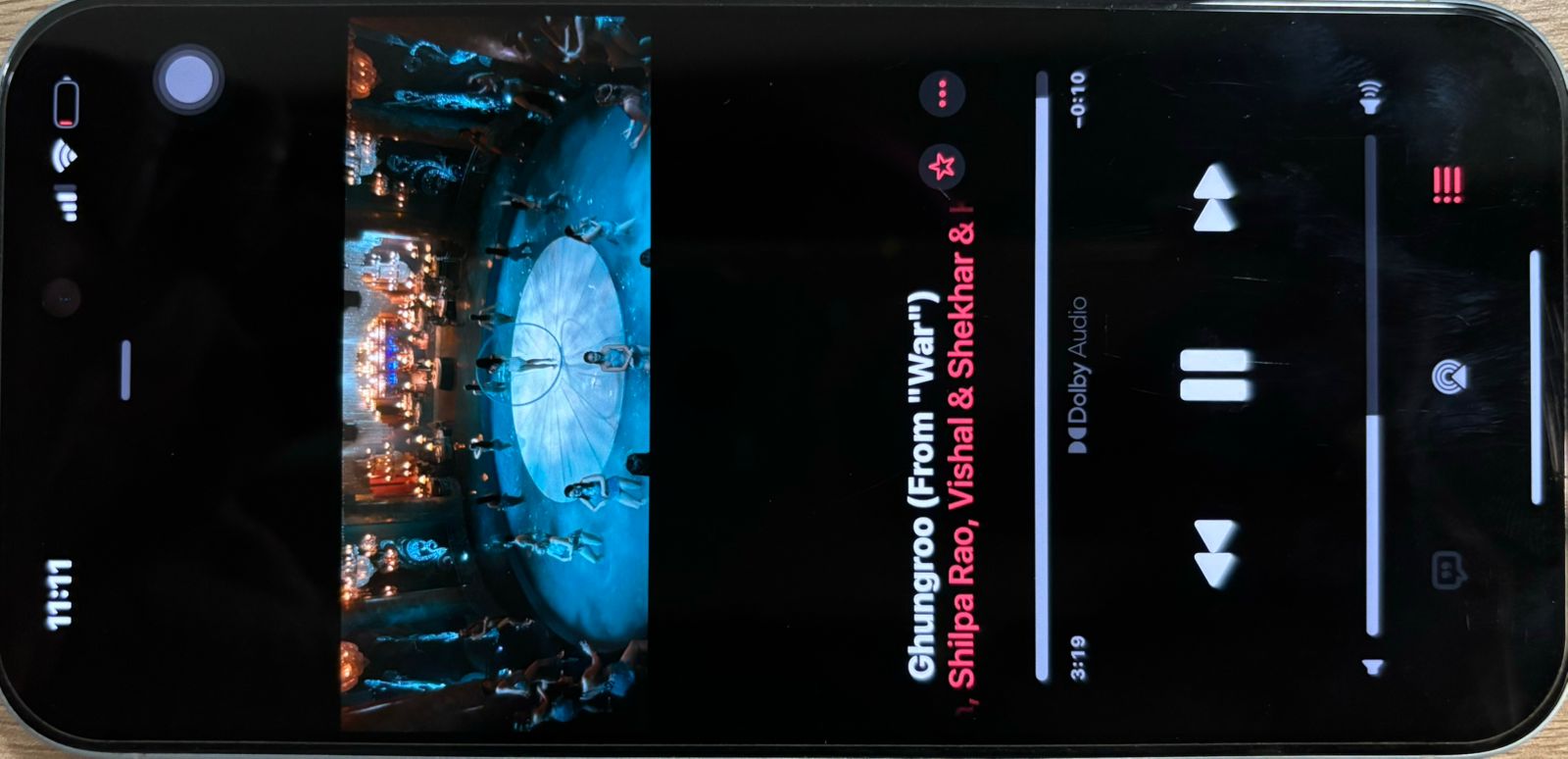
As the use of smartphones continues to surge, optimizing video distribution for mobile audiences has become a crucial aspect of any marketing strategy. Mobile devices account for a significant portion of video consumption, and the convenience of accessing content on the go has reshaped how audiences interact with videos. A well-crafted video distribution strategy tailored to mobile users can significantly enhance engagement, increase viewership, and drive conversions. This article explores the best practices for creating and distributing videos that cater specifically to the mobile audience, ensuring that your content reaches viewers wherever they are.
Mobile-First Content Creation and Design:
Mobile-first design is essential when creating videos for a mobile audience. This approach prioritizes the mobile experience by ensuring that videos are easily viewable on smaller screens. Key considerations include:
Aspect Ratios: Vertical videos (9:16) are becoming increasingly popular due to platforms like Instagram Stories, and Snapchat. Square (1:1) and horizontal (16:9) formats can also be effective, depending on the platform.
Visual and Text Elements: Keep visual elements bold and simple, as detailed visuals may not be as noticeable on smaller screens. Use large, readable text to convey key messages, as audio may not always be an option for viewers.
Video Length: Shorter videos tend to perform better on mobile, as they align with the quick consumption habits of mobile users. Aim for videos under two minutes for most platforms, with even shorter content for platforms like TikTok.
Utilizing Mobile Apps and Platforms:
Leveraging the right platforms is crucial for reaching mobile audiences. Popular mobile-first platforms include:
Social Media Platforms: Instagram, TikTok, Snapchat, and Facebook are among the most effective for distributing video content to mobile users. Each platform has unique features and audience demographics, so it’s essential to tailor your content accordingly.
Video Hosting Sites: YouTube and Vimeo offer mobile-friendly interfaces and apps that make it easy for users to watch videos on their phones. Consider creating playlists and utilizing in-app advertising to increase visibility.
OTT Apps: Over-the-top (OTT) services like Netflix, Hulu, and Disney+ have mobile apps that allow users to stream content directly to their devices. While these platforms may not be accessible for all content creators, they offer significant opportunities for those with the resources to produce high-quality content.
Leveraging Push Notifications and SMS Marketing:
Push notifications and SMS marketing can be powerful tools for promoting video content to mobile audiences. These methods provide direct communication with users, allowing you to:
Push Notifications: Send timely alerts about new video releases, live streams, or special offers. Personalized notifications can increase engagement and encourage users to watch your videos as soon as they’re available.
SMS Marketing: Use text messages to share links to video content, exclusive previews, or upcoming events. SMS messages have high open rates, making them an effective way to reach audiences who may not be active on social media or other platforms.
Measuring and Analyzing Performance:
Analytics are essential for understanding how your videos are performing on mobile devices. Key metrics to track include:
Watch Time: Measure how long viewers watch your videos. High watch times indicate engaging content, while low watch times may suggest a need for shorter or more captivating videos.
Engagement Rates: Track likes, shares, comments, and other forms of engagement to gauge viewer interest and interaction.
Conversion Rates: Determine how well your videos drive desired actions, such as website visits, sign-ups, or purchases.
Adapting to Emerging Technologies:
As technology continues to evolve, staying up-to-date with the latest trends and tools is crucial for maintaining an effective video distribution strategy. Some emerging technologies to consider include:
5G Networks: The rollout of 5G technology offers faster download and streaming speeds, enhancing the mobile viewing experience. This advancement may lead to an increase in mobile video consumption and the demand for higher-quality content.
Augmented Reality (AR) and Virtual Reality (VR): AR and VR experiences are becoming more accessible on mobile devices. Consider incorporating these technologies into your video strategy to create immersive and interactive content.
Conclusion:
Optimizing video distribution for mobile audiences is essential in today’s digital landscape, where mobile devices dominate video consumption. A well-executed video distribution strategy that focuses on mobile-friendly content creation, platform selection, and engagement techniques can significantly boost your reach and impact. By staying informed about emerging technologies and continuously analyzing performance metrics, you can ensure that your videos resonate with your audience and drive desired outcomes. As the mobile video trend continues to grow, it’s crucial for content creators and marketers to prioritize mobile optimization in their distribution strategies.