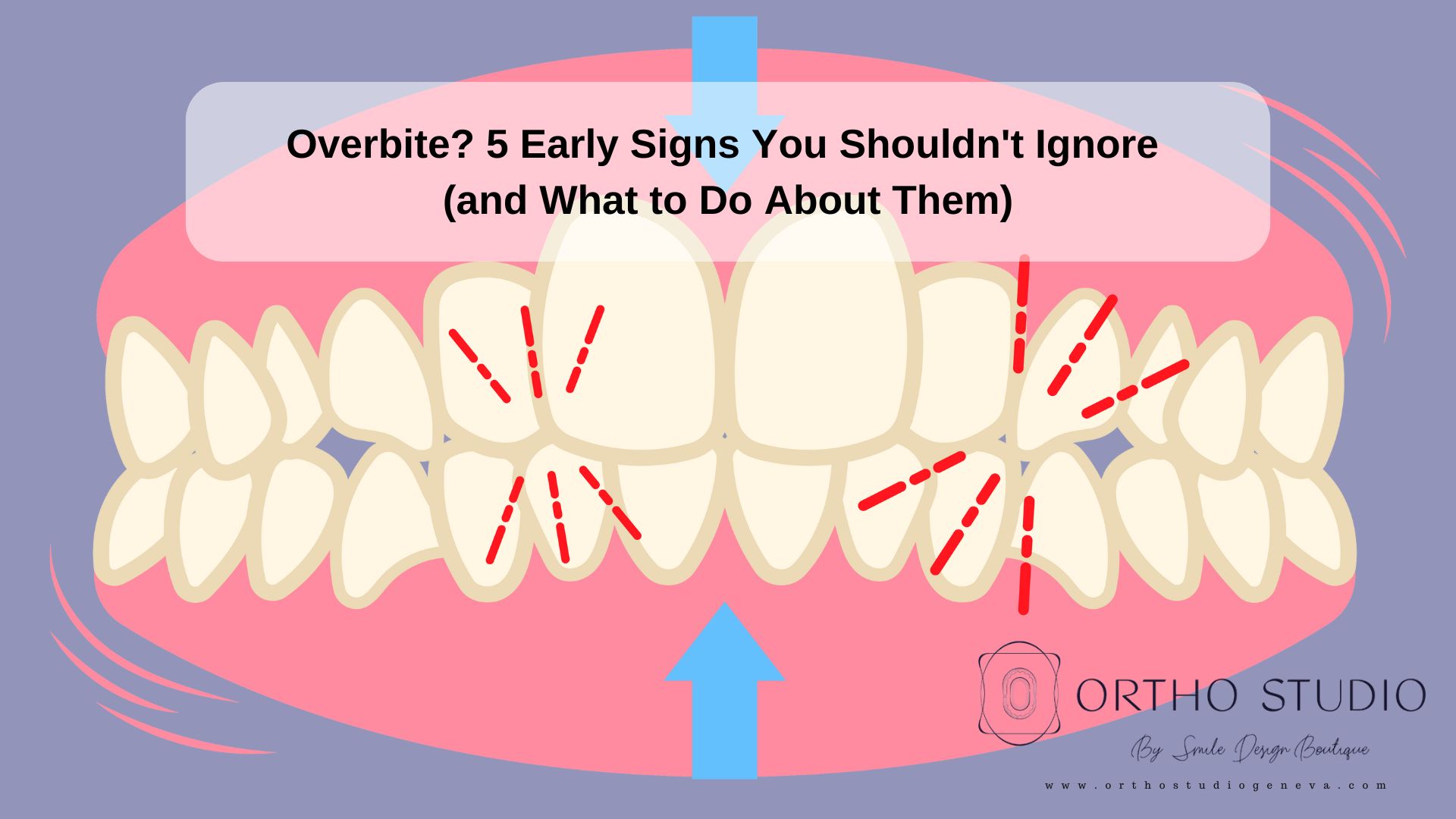
An overbite might seem like a minor dental issue, especially in its early stages. However, its subtle beginnings often mask more profound implications for oral health and overall well-being. Early signs of overbite is crucial because the sooner it’s identified, the easier it is to address. Left unchecked, an overbite can lead to a cascade of dental and health problems that are far more difficult—and costly—to rectify. The following signs are early indicators of an overbite that should never be ignored.
Sign 1: Uneven Wear on Teeth

One of the first, and often overlooked, signs of an overbite is uneven wear on your teeth. Over time, an overbite causes the upper front teeth to overlap excessively with the lower teeth, leading to irregular wear patterns. This uneven wear isn’t just a cosmetic issue—it’s a signal that your bite is misaligned, which can lead to a host of other dental problems.
The consequences of ignoring this wear can be severe. As the enamel—the hard, protective outer layer of your teeth—wears down, teeth become more susceptible to cavities, sensitivity, and even fractures. Moreover, uneven wear can exacerbate the misalignment, creating a vicious cycle that only worsens the overbite and its associated problems.
Sign 2: Frequent Jaw Pain
Jaw pain is another early sign of an overbite that should not be dismissed. The misalignment caused by an overbite forces the jaw to work harder to achieve a proper bite. This extra strain on the jaw muscles and joints can lead to temporomandibular joint disorder (TMJ), a condition characterized by pain, clicking sounds, and limited movement in the jaw.
When jaw pain becomes frequent or persistent, it’s a clear red flag that something is amiss. Ignoring this pain can lead to chronic issues that may require more intensive treatments, such as physical therapy or even surgery. Recognizing and addressing jaw pain early can prevent these more serious complications.
Sign 3: Difficulty in Biting or Chewing
An overbite doesn’t just affect how your teeth look—it also impacts their function. Difficulty in biting or chewing is a common issue for those with an overbite. The misalignment of the teeth can make it hard to bring the upper and lower teeth together, making simple tasks like eating a challenge. 
This difficulty can lead to more than just frustration at mealtimes. Over time, it can affect your nutrition and overall health, as you may avoid certain foods that are difficult to chew. Additionally, the constant strain on your teeth and jaw can lead to further dental issues, such as cracked or chipped teeth, and exacerbate the misalignment.
Sign 4: Speech Impediments
The teeth are important for speech because they help form words, allowing proper articulation. Overbites completely distort this and can sometimes further cause speech ailments such as lisping or some different kinds of problems pronouncing the pronunciation of a sound.
These speech difficulties are perhaps the most annoying, considering children can still be in their developmental stage of acquiring speech; it does not leave adults though and causes them to become very self-conscious and experience problems in communicating both in personal and professional lives. Early treatment of an overbite may prevent or correct such speech impediments before they become deep-seated.
Sign 5: Changes in Facial Structure
Overbites don’t just affect your teeth—they can also subtly alter your facial structure. As the overbite progresses, it can change the alignment of your jaw, leading to changes in the overall appearance of your face. This might include a more pronounced chin, changes in the jawline, or even the appearance of an elongated face.
These changes may be subtle, but they make a big difference in a person’s self-esteem and the way he views himself. They could also signal that the overbite is worsening; if left alone, it may lead to other more severe dental problems and health concerns.
What to Do About These Signs
If any of these are the early signs of an overbite, then one needs to take immediate action. The essence is always the early intervention that may prevent the overbite from further deterioration and leading to serious complications. Orthodontic solutions, like braces or clear aligners, are often effective for treating an overbite. Sometimes, correction of an overbite requires nothing more than minor adjustments to lifestyle, such as breaking unpleasant habits, including thumb-sucking and nail biting. 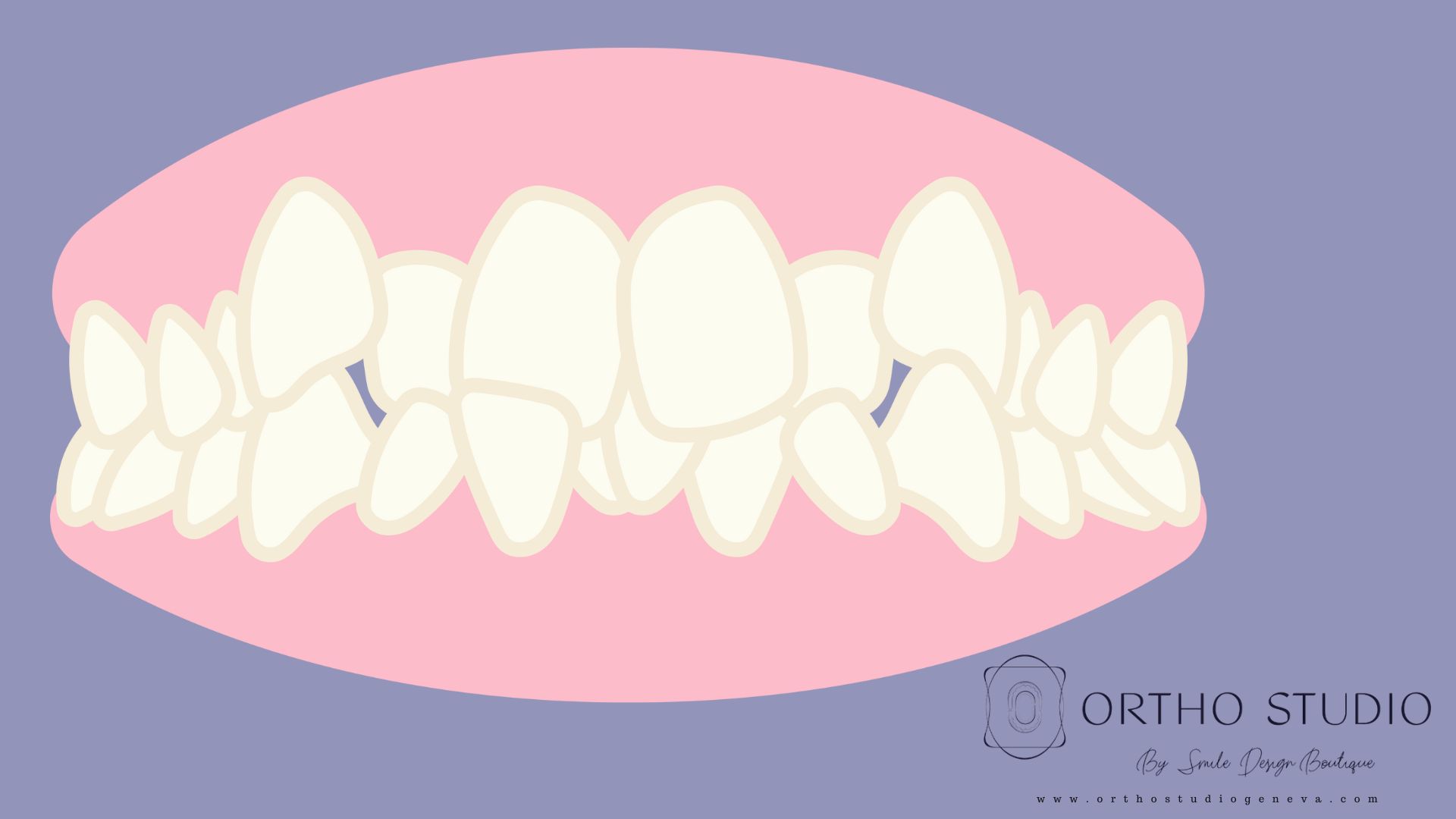
It is for this reason that professional consultation with a dentist or orthodontist becomes indispensable. They will be able to provide an in-depth overview of your overbite and suggest a treatment plan that is best suited for you. The earlier the overbite can be taken care of, the lesser will be its more serious consequences on both dental health and general health.