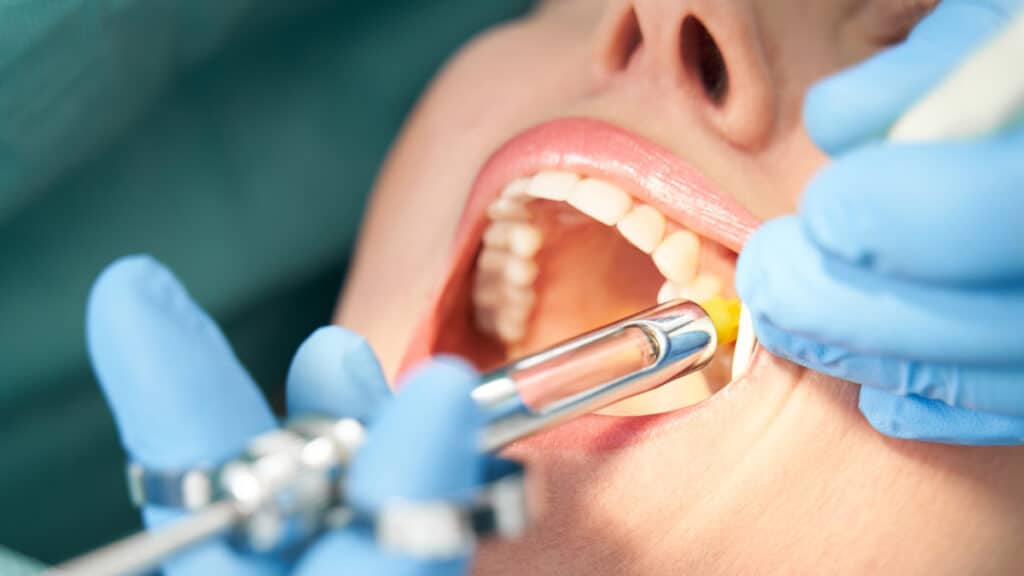
Tooth extractions are one of the most common dental procedures, but many patients worry about the discomfort associated with them. Whether it’s a simple or surgical extraction, modern dentistry has made the process far less painful than people imagine. For patients undergoing tooth removal in Dubai, dentists use advanced anesthetics and personalized aftercare plans to minimize discomfort and ensure smooth recovery. Understanding the methods of pain management before, during, and after the procedure can help ease anxiety and improve overall healing.
Local Anesthesia:
Local anesthesia is the most common method used during tooth extractions, effectively numbing the treatment area. It ensures patients feel pressure but not sharp pain while the tooth is being removed. Dentists carefully administer the anesthetic and wait until it takes full effect before beginning the procedure. For most people, this provides sufficient comfort and makes the process nearly painless.
Sedation Dentistry:
For patients with dental anxiety or complex extractions, sedation is often recommended in addition to local anesthesia. Sedation can range from mild oral sedatives to intravenous options, depending on patient needs. This approach helps patients remain calm and relaxed during the procedure, reducing stress and making the experience more comfortable. Sedation dentistry is particularly beneficial for those undergoing wisdom tooth removal or multiple extractions.
Surgical Techniques:
Modern surgical techniques also play a role in reducing pain during extraction. Dentists use precise tools and minimally invasive methods to limit trauma to the surrounding tissues. Smaller incisions and careful handling of gum and bone structures not only decrease discomfort but also speed up recovery time. These advancements allow patients to experience less pain both during and after the procedure.
Immediate Post-Extraction Care:
The first 24 hours after a tooth removal are critical for managing pain and preventing complications. Patients are advised to bite down gently on gauze to control bleeding and allow clot formation. Resting and avoiding physical exertion also help reduce swelling and discomfort. Applying ice packs to the affected area further alleviates pain by controlling inflammation.
Over-the-Counter Medications:
For mild to moderate discomfort after tooth extraction, over-the-counter pain relievers are often sufficient. Medications such as ibuprofen or acetaminophen can effectively reduce pain and swelling when taken as directed. Dentists usually recommend alternating medications if needed to maximize comfort while minimizing side effects. Following proper dosage guidelines is essential for safe pain management.
Prescription Pain Relief:
In cases of more complex extractions or surgical procedures, dentists may prescribe stronger pain relievers. These medications provide additional support in the days following surgery but are usually recommended for short-term use only. Patients should take prescriptions exactly as advised to avoid potential dependency or side effects. Combining prescription medication with other non-drug methods can help manage pain more effectively.
Eating and Drinking Habits:
What patients eat and drink after tooth removal can significantly affect comfort levels. Soft, cool foods such as yogurt, smoothies, and mashed potatoes reduce irritation and are easier to chew. Avoiding hot, spicy, or crunchy foods helps prevent discomfort and protects the healing site. Staying hydrated with water supports faster recovery while avoiding alcohol and carbonated drinks prevents unnecessary irritation.
Long-Term Comfort Tips:
Even after the initial recovery phase, patients should take steps to prevent lingering discomfort. Maintaining good oral hygiene with gentle brushing and rinsing keeps the area clean and reduces infection risks. Attending follow-up appointments allows dentists to monitor healing and address any issues early. Using over-the-counter gels or mouth rinses recommended by dentists can provide additional relief if minor irritation persists.
Do’s and Don’ts for Pain Management:
Effective pain management depends on following dentist-recommended guidelines, including:
-
Do take prescribed or recommended pain relievers on schedule.
-
Do use cold compresses to control swelling in the first 24 hours.
-
Do stick to soft foods and stay hydrated.
-
Don’t smoke, as it delays healing and worsens pain.
-
Don’t engage in strenuous activity immediately after extraction.
-
Don’t touch or disturb the healing socket with your tongue or fingers.
Final Thoughts:
Managing discomfort during and after a tooth extraction is entirely achievable with modern dental practices and proper aftercare. From anesthesia and sedation to medication and natural remedies, patients have many options to ensure a comfortable experience. For those planning tooth removal in Dubai, working closely with a skilled dentist and following tailored pain management strategies can make the procedure far less daunting. With the right care, patients can recover quickly and maintain good oral health without unnecessary suffering.