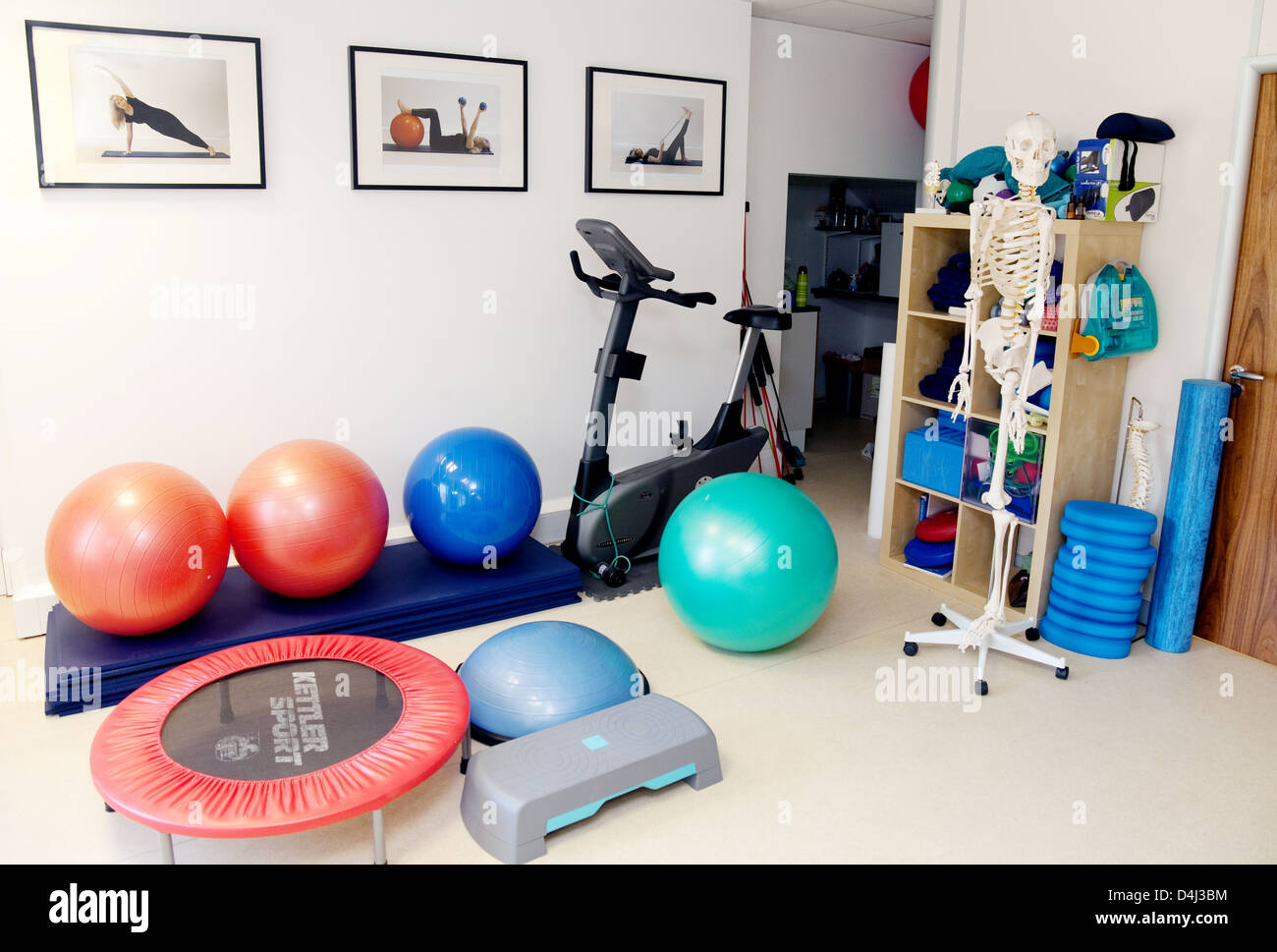
Physiotherapy, also known as physical therapy, plays a vital role in helping individuals recover from injuries, manage chronic conditions, and improve mobility. Central to the effectiveness of this treatment are the tools and devices used by physiotherapists. Physiotherapy equipment is specially designed to support rehabilitation, enhance patient comfort, and ensure optimal recovery outcomes.
Understanding Physiotherapy Equipment
Physiotherapy equipment encompasses a broad range of tools and devices tailored to meet various therapeutic needs. From treating musculoskeletal injuries to aiding post-surgery recovery, these devices cater to patients of all ages and conditions. The choice of equipment depends on the treatment goals, which may include pain relief, muscle strengthening, joint mobility, or improved balance and coordination.
Common Types of Physiotherapy Equipment
- Electrotherapy Machines
These devices use electrical currents to stimulate muscles and nerves, offering pain relief and improving blood circulation. Examples include TENS (Transcutaneous Electrical Nerve Stimulation) machines and ultrasound therapy devices, which are popular in treating chronic pain and sports injuries. - Therapeutic Exercise Equipment
Exercise is a cornerstone of physiotherapy, and specialized equipment helps patients regain strength and flexibility. Resistance bands, exercise balls, treadmills, and balance boards are commonly used to target specific muscle groups and enhance overall fitness. - Manual Therapy Tools
Manual therapy often involves hands-on techniques to manipulate soft tissues and joints. Tools such as massage rollers and therapy balls assist in reducing muscle tension, improving circulation, and alleviating pain. - Heat and Cold Therapy Products
Heat pads, cold packs, and hydrotherapy equipment are essential for managing pain and inflammation. For instance, heat pads are ideal for soothing back pain, while cold packs reduce swelling in acute injuries. - Mobility Aids
Equipment like crutches, walkers, and canes provide necessary support for individuals with limited mobility. These aids are crucial in the early stages of rehabilitation, helping patients regain independence and confidence. - Hydrotherapy Equipment
Water-based therapy equipment, such as underwater treadmills and whirlpools, is used for low-impact exercises. These tools are especially beneficial for patients with joint pain or arthritis, as water reduces stress on the joints while facilitating movement.
Benefits of Using the Right Physiotherapy Equipment
The appropriate use of physiotherapy equipment can significantly enhance the effectiveness of treatment. It allows physiotherapists to customize sessions based on individual patient needs, ensuring targeted and efficient recovery. Moreover, these tools can prevent further injuries, improve posture, and promote long-term health and wellness.
Choosing the Best Physiotherapy Equipment
When selecting physiotherapy equipment, quality and functionality are paramount. It is essential to invest in tools that are durable, user-friendly, and suitable for a wide range of conditions. For physiotherapists in clinics or individuals seeking equipment for home use, consulting with professionals can help make informed decisions.
Final Thoughts
Physiotherapy equipment is indispensable in modern rehabilitation and recovery processes. Whether you’re a practitioner or a patient, understanding the various types of equipment and their uses can maximize the benefits of therapy. With advancements in technology, these tools continue to evolve, making physiotherapy more effective and accessible than ever before.
By investing in high-quality physiotherapy equipment, you’re taking a significant step toward better health and a faster recovery journey.