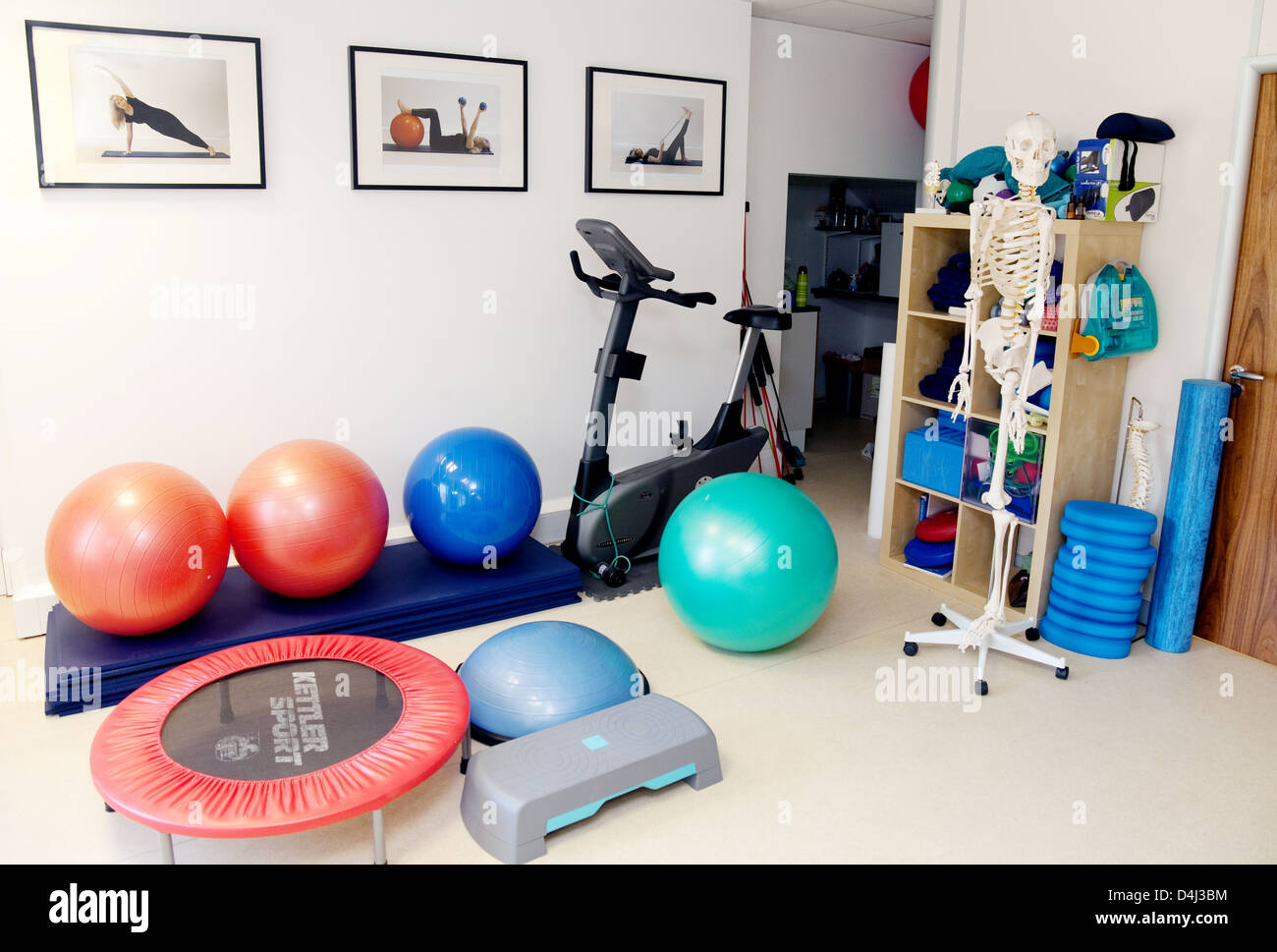
In recent years, physiotherapy has become an essential part of health care in Nigeria. As more people become aware of the benefits of physical rehabilitation, the demand for physiotherapy services and equipment has risen significantly. Whether for injury recovery, chronic pain management, or improving mobility, physiotherapy plays a critical role in enhancing the quality of life for many Nigerians. Central to this growing field is access to the right physiotherapy equipment, which is crucial for both clinicians and patients alike.
The Importance of Physiotherapy Equipment
Physiotherapy equipment refers to the specialized tools and devices used to diagnose, treat, and rehabilitate individuals with physical impairments or mobility issues. This equipment aids in strengthening muscles, improving joint flexibility, reducing pain, and enhancing overall physical well-being. From manual therapy devices to electrotherapy machines, the right equipment can accelerate recovery and improve treatment outcomes.
Nigeria, with its diverse population and health challenges, has seen an increasing demand for physiotherapy equipment. As the healthcare sector continues to develop, hospitals, clinics, and rehabilitation centers are investing in modern tools to improve their services. This trend has created opportunities for suppliers of physiotherapy equipment in the country.
Types of Physiotherapy Equipment
There is a wide range of physiotherapy equipment available in Nigeria, each catering to different needs and conditions. Below are some common types:
- Exercise Equipment
This category includes treadmills, stationary bikes, and resistance bands, which help patients regain strength, endurance, and flexibility. These tools are particularly useful in rehabilitation programs for conditions such as stroke, spinal cord injuries, and post-surgery recovery. - Heat Therapy Devices
Heat therapy is a widely used method to alleviate pain and enhance blood circulation. Devices such as heat pads and hot water bottles are commonly used to treat conditions like muscle stiffness, arthritis, and back pain. In Nigeria, heat pads for back pain have gained popularity due to their effectiveness and ease of use. - Electrotherapy Equipment
Electrotherapy devices, such as TENS (Transcutaneous Electrical Nerve Stimulation) machines, use electrical impulses to reduce pain, promote healing, and stimulate muscles. These devices are especially helpful for managing chronic pain and improving muscle function after injury. - Hydrotherapy Equipment
Hydrotherapy involves the use of water to treat pain and improve movement. In Nigeria, hydrotherapy is becoming more popular in specialized rehabilitation centers, where patients can perform exercises in a water-based environment to reduce stress on their joints. - Massage Therapy Devices
Physiotherapy often involves massage therapy to relieve muscle tension and improve circulation. Equipment such as massage rollers and electric massagers are used to complement manual therapy.
Availability of Physiotherapy Equipment in Nigeria
The availability of physiotherapy equipment in Nigeria has improved significantly over the past few years. While large hospitals and rehabilitation centers in major cities like Lagos, Abuja, and Port Harcourt have access to advanced equipment, smaller clinics and rural health centers may still struggle to acquire the necessary tools due to budget constraints or limited access to suppliers.
However, the rise of e-commerce has made it easier for physiotherapists, clinics, and individuals to purchase physiotherapy equipment online. Several online platforms now offer a variety of physiotherapy products, ranging from basic tools like exercise bands and heat pads to more advanced electrotherapy machines. This accessibility has helped bridge the gap between rural and urban healthcare services.
Challenges and Opportunities
Despite the progress, challenges remain. One of the primary issues is the cost of physiotherapy equipment, especially advanced devices like ultrasound machines and hydrotherapy pools, which are expensive to purchase and maintain. Additionally, there is a need for better training and education for physiotherapists to effectively use this equipment.
Nevertheless, the growing awareness of physiotherapy and its benefits presents a significant opportunity for businesses involved in the sale and distribution of physiotherapy equipment in Nigeria. With the expansion of healthcare infrastructure and the increasing prevalence of chronic diseases and injuries, the demand for these devices is expected to continue rising.
Conclusion
Physiotherapy equipment plays a vital role in the healthcare system of Nigeria. With the growing demand for rehabilitation services and the availability of modern tools, physiotherapy is becoming more accessible and effective. As the industry continues to evolve, investing in quality physiotherapy equipment will be crucial to meet the needs of patients and improve healthcare outcomes across the country.