When facing the possibility of losing a tooth due to decay, infection, or damage, many patients in Dubai may wonder whether they should opt for root canal treatment or a dental implant. Both treatments are highly effective in preserving oral health and function, but they serve different purposes and come with their own sets of advantages and considerations. Understanding the differences between root canal therapy and dental implants is essential in making an informed decision about which treatment is right for you.
In this article, we’ll compare root canal treatment and dental implants, outlining the key factors you should consider when deciding between the two options.
What Is Root Canal Treatment?:
The Process and Purpose:
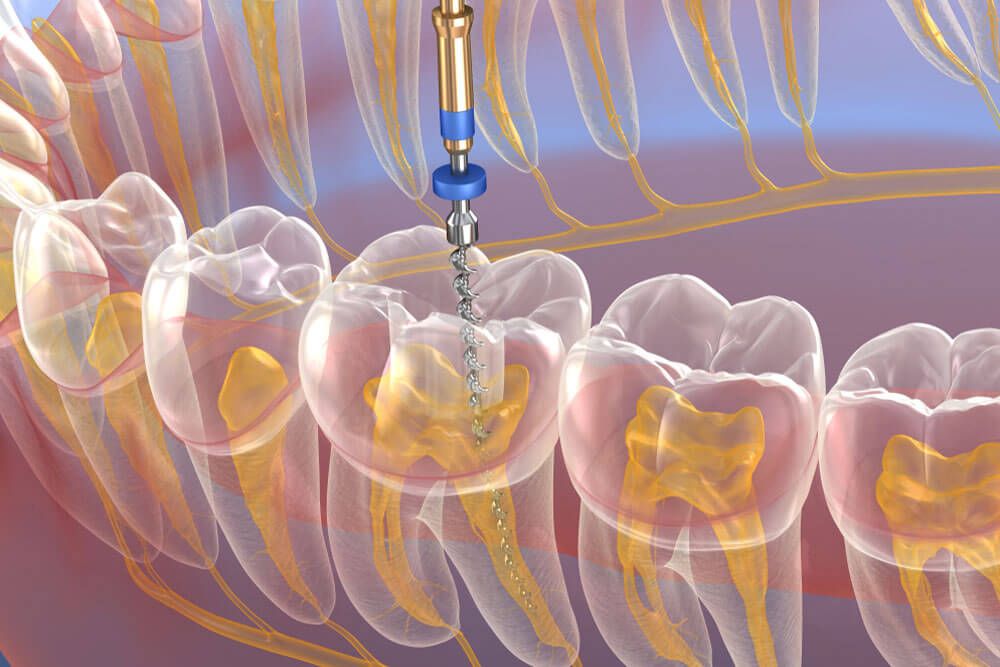
Root canal treatment is a procedure designed to save a tooth that has become infected or severely damaged, typically by decay or trauma. The goal of this treatment is to remove the infected pulp inside the tooth, clean the area, and seal it to prevent further infection. A root canal preserves the natural tooth, allowing it to remain in place for many years, provided the tooth is properly restored after the procedure.
Steps Involved in Root Canal Treatment:
- Examination and Diagnosis: The dentist will perform an X-ray and clinical exam to assess the extent of the infection or damage.
- Anesthesia: Local anesthesia is applied to ensure comfort during the procedure.
- Pulp Removal: The dentist removes the infected pulp and cleans the inner chamber of the tooth.
- Sealing: The tooth is sealed with a rubber-like material, and a crown may be placed to restore its appearance and function.
What Are Dental Implants?:
An Overview of Dental Implants:
A dental implant is a prosthetic replacement for a missing tooth. It consists of a titanium post that is surgically placed into the jawbone to act as a replacement root. After the implant integrates with the bone, a crown is placed on top to mimic the appearance and function of a natural tooth. Dental implants are often recommended when a tooth is too damaged or infected to be saved with a root canal.
Steps Involved in Dental Implant Placement:
- Initial Consultation: The dentist will evaluate the condition of the jawbone and overall oral health.
- Implant Surgery: A titanium post is placed into the jawbone, and the area is allowed to heal over several months.
- Crown Placement: Once the implant is fully integrated with the bone, a custom crown is placed on top to restore the tooth.
Key Differences Between Root Canal Treatment and Dental Implants:
1. Preservation of Natural Teeth:
- Root Canal: The primary advantage of a root canal is that it preserves your natural tooth. This means you can retain the function and appearance of the tooth without needing to undergo surgery.
- Dental Implant: Implants, on the other hand, are used when the natural tooth is beyond repair. Although implants offer a permanent and durable solution, they require the removal of the damaged tooth.
2. Procedure Involvement:
- Root Canal: The root canal procedure is minimally invasive and typically completed in one or two visits to the dentist. The recovery time is usually shorter, and most patients experience only mild discomfort after the procedure.
- Dental Implant: The dental implant process involves surgery to place the implant in the jawbone, which can take several months for the area to heal and for the implant to fully integrate with the bone. The recovery process may be longer compared to a root canal.
3. Long-Term Durability:
- Root Canal: With proper care, a tooth that has undergone a root canal treatment can last for many years or even a lifetime. However, the tooth may become more fragile over time, and a crown will likely be needed to protect it from further damage.
- Dental Implant: Dental implants are designed to be a permanent solution. With proper maintenance, they can last for decades, offering excellent durability and strength. The crown placed on top of the implant may eventually need to be replaced, but the implant itself is intended to last a lifetime.
4. Cost Considerations:
- Root Canal: Root canal treatment is generally less expensive than a dental implant, as it does not require surgical placement or extensive healing time. However, the total cost may increase if additional restorations, such as a crown, are needed.
- Dental Implant: Dental implants are typically more expensive than root canal treatments due to the surgery involved, the materials used, and the extended healing period. However, since implants last longer, the long-term cost may be more manageable over time.
5. Aesthetic Results:
- Root Canal: Root canal treatments preserve the natural appearance of the tooth, which is particularly beneficial when the affected tooth is in a visible area. After the procedure, a crown is often placed to enhance the tooth’s look and function.
- Dental Implant: Dental implants provide excellent aesthetic results, as the crown placed on the implant is custom-made to blend seamlessly with the surrounding teeth. Implants are often considered the most natural-looking tooth replacement option.
When to Choose Root Canal Treatment:
Ideal Candidates for Root Canal:
Root canal therapy is typically recommended when the tooth is still salvageable and there is enough healthy tooth structure left to support restoration. Some situations where a root canal is the best option include:
- Moderate to Severe Tooth Decay: When the decay has reached the pulp but the tooth is otherwise intact.
- Trauma: When a tooth has been cracked or damaged but remains firmly in place.
- Infection: When a tooth becomes infected, and extraction would lead to further oral health complications.
Choosing a root canal treatment allows you to retain your natural tooth, which is important for maintaining proper bite alignment and chewing function.
When to Choose a Dental Implant:
Ideal Candidates for Dental Implants:
Dental implants are recommended when the tooth is too damaged or decayed to be saved. Some situations where implants are the preferred choice include:
- Severe Tooth Damage: When the tooth is cracked, broken, or decayed beyond repair and cannot be treated with a root canal.
- Tooth Loss: When a tooth has been lost due to injury, disease, or decay, and a replacement is needed to restore function and appearance.
- Jawbone Health: If the jawbone has weakened or been damaged, implants may help stimulate bone growth and prevent further deterioration.
Dental implants are a great long-term solution for individuals looking to replace a missing tooth or teeth, providing a stable and natural-looking restoration.
Conclusion:
Both root canal treatment and dental implants offer unique benefits for preserving oral health, but the best choice depends on the specific condition of your tooth and overall dental health. Root canal therapy is ideal for saving a damaged or infected tooth, allowing you to retain your natural tooth. Dental implants, on the other hand, are the best option when a tooth cannot be saved and needs to be replaced. If you’re in Dubai and considering your options, consult with a qualified dentist to determine the best treatment plan for your needs, taking into account your health, budget, and long-term goals.