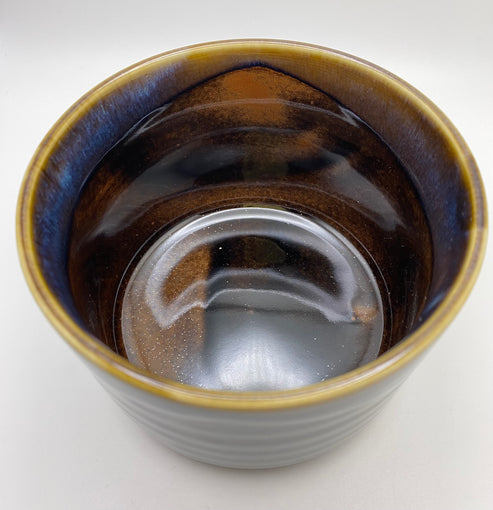
Tea culture is deeply rooted in the traditions of Japan and China, where the art of tea drinking goes beyond just the beverage—it encompasses the vessels that hold it, known as tea bowls. Both Japanese tea bowls and Chinese tea bowls play significant roles in their respective cultures, serving not only as functional items but also as symbols of artistry, history, and mindfulness. At Acala Tea Company, based in the USA, we celebrate these beautiful traditions by offering an exquisite range of tea bowls that capture the essence of both Japanese and Chinese tea practices. In this article, we will explore the unique features of Japanese tea bowls and Chinese tea bowls, their cultural significance, and how they enhance the tea-drinking experience.
Introduction to Tea Bowls
Tea bowls are more than just containers for tea; they are an integral part of the tea experience, influencing the way tea is prepared, served, and enjoyed. In both Japan and China, tea bowls are selected with great care, reflecting the occasion, the type of tea being served, and the aesthetic preferences of the host. The texture, shape, and design of a tea bowl can greatly impact the sensory aspects of tea drinking, from the feel of the bowl in your hands to the way the tea’s aroma wafts up as you take a sip.
Japanese Tea Bowls: The Heart of the Tea Ceremony
Japanese tea bowls, known as chawan, are central to the traditional Japanese tea ceremony, a ritual that emphasizes harmony, respect, purity, and tranquility. The chawan is specifically designed for whisking and drinking matcha, a powdered green tea that is a staple of Japanese tea culture. Unlike other tea vessels, the chawan is valued not just for its utility but also for its artistic qualities, which often reflect the principles of wabi-sabi—finding beauty in imperfection and impermanence.
Japanese tea bowls are typically handmade from clay or porcelain, with each bowl boasting unique characteristics that make it one-of-a-kind. They often feature natural, organic shapes and glazes that reflect the elements of nature, such as earth tones, rough textures, and asymmetrical designs. This rustic elegance enhances the tea-drinking experience, turning each sip into a moment of mindfulness.
The wide, open shape of the Japanese tea bowl is specifically designed for whisking matcha, allowing the tea to be blended smoothly and efficiently. The bowl’s depth helps retain heat, keeping the tea warm during the ceremony, while the tactile qualities of the bowl’s surface engage the senses, making the act of holding and drinking tea a full-bodied experience.
At Acala Tea Company in the USA, our collection of Japanese tea bowls showcases both traditional and modern designs, perfect for anyone looking to embrace the artistry and mindfulness of the Japanese tea ceremony. Explore our selection to find the ideal chawan that speaks to your personal style and tea-drinking preferences.
Chinese Tea Bowls: A Fusion of Craftsmanship and Tradition
Chinese tea bowls have a rich history that dates back to ancient China, where tea has been a central part of daily life for thousands of years. In Chinese culture, tea is more than just a drink; it is a symbol of hospitality, a means of connection, and a reflection of personal taste. Chinese tea bowls, also known as cha wan, are often used in the gongfu tea ceremony, a traditional Chinese method of brewing tea that involves multiple short infusions to bring out the full flavor and aroma of the tea leaves.
Chinese tea bowls are typically smaller and more delicate than their Japanese counterparts, designed to hold just enough tea for a few sips. This encourages a slow, mindful approach to tea drinking, allowing the drinker to savor each infusion. Made from fine porcelain, clay, or ceramics, these bowls often feature intricate designs that reflect traditional Chinese motifs, such as dragons, flowers, or landscapes. The thin walls of the Chinese tea bowl enhance the tea’s flavor and allow the drinker to appreciate the warmth and color of the tea.
Unlike the rustic, earthy aesthetic of Japanese tea bowls, Chinese tea bowls often showcase bright glazes, smooth textures, and elegant, refined shapes. This refined craftsmanship highlights the artistic heritage of Chinese ceramics, making each bowl a work of art in its own right.
Acala Tea Company’s collection of Chinese tea bowls brings this artistry to tea lovers in the USA, offering a diverse range of designs that cater to both traditional and modern tastes. Whether you are seeking a classic blue-and-white porcelain bowl or a contemporary piece with minimalist design elements, our collection has something for everyone.
Comparing Japanese and Chinese Tea Bowls
While both Japanese tea bowls and Chinese tea bowls serve similar purposes, they differ in several key aspects that reflect their respective cultural traditions:
- Design and Aesthetic: Japanese tea bowls often have a wabi-sabi aesthetic, celebrating imperfections, natural textures, and earthy tones. In contrast, Chinese tea bowls are usually more refined, featuring smooth, glossy finishes and intricate patterns.
- Functionality: Japanese tea bowls are specifically designed for preparing and drinking matcha, with a wide mouth and deep body that accommodate the whisking process. Chinese tea bowls, on the other hand, are designed for sipping and savoring loose-leaf teas and are often used in gongfu brewing methods.
- Materials: Japanese tea bowls are frequently made from unglazed clay or stoneware, emphasizing tactile sensations, while Chinese tea bowls are predominantly made from porcelain, highlighting the visual appeal of the tea’s color and clarity.
- Cultural Significance: The chawan is a central element of the Japanese tea ceremony, which is a formal, meditative practice. Chinese tea bowls, however, are more versatile and are used in both casual and ceremonial settings, emphasizing the joy of sharing tea with others.
Choosing the Right Tea Bowl for Your Tea Ritual
When selecting a tea bowl, it’s important to consider the type of tea you enjoy and the kind of experience you wish to create. If you are drawn to the contemplative nature of the Japanese tea ceremony, a Japanese tea bowl or chawan will enhance your ritual, providing the perfect vessel for whisking and enjoying matcha.
For those who appreciate the intricate flavors of loose-leaf teas, a Chinese tea bowl offers a refined, sensory tea experience. The smaller size and delicate craftsmanship of Chinese bowls make them ideal for savoring each sip and engaging with the tea on a deeper level.
At Acala Tea Company in the USA, we proudly offer a curated selection of both Japanese tea bowls and Chinese tea bowls, allowing you to find the perfect bowl that suits your style and tea-drinking habits.
Conclusion: Elevate Your Tea Experience with Acala Tea Company
Whether you are captivated by the rustic elegance of a Japanese tea bowl or the refined artistry of a Chinese tea bowl, the right tea bowl can elevate your tea-drinking experience to new heights. These vessels are not just functional items but are imbued with history, culture, and craftsmanship that connect you to the rich traditions of tea.
Explore our collection at Acala Tea Company and discover the perfect tea bowl to complement your daily rituals. From traditional chawan for the Japanese tea ceremony to beautifully crafted Chinese tea bowls that celebrate the artistry of porcelain, we bring the world of tea to your table, one bowl at a time.