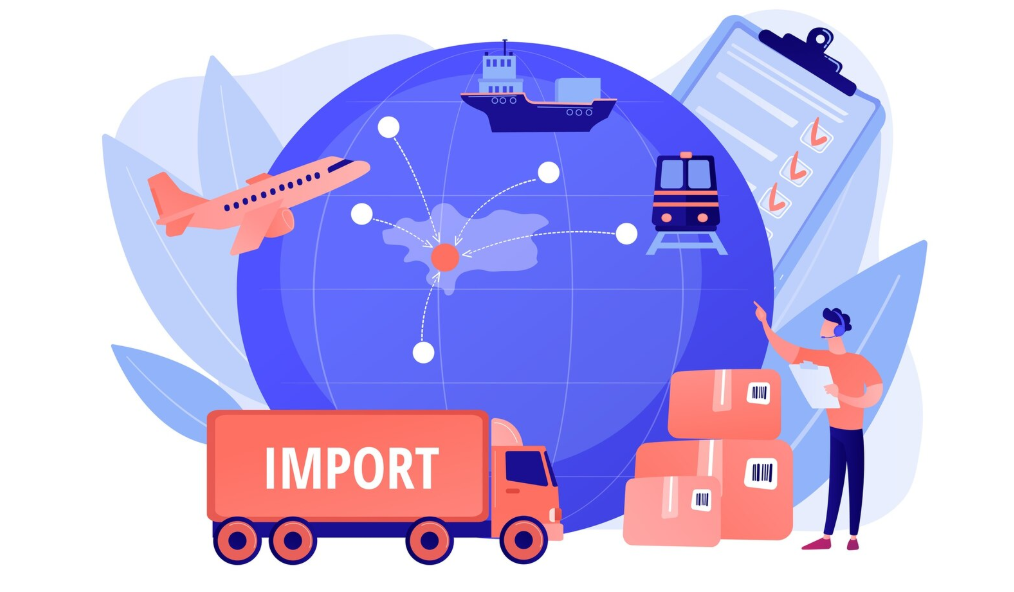
In today’s fast-paced global economy, businesses rely heavily on efficient logistics and transportation to remain competitive. Whether it’s a manufacturer sourcing raw materials, a retailer moving goods to distribution centers, or an e-commerce brand delivering products to customers, the ability to manage freight efficiently has become a cornerstone of operational success. This is where freight management services come in providing businesses with the tools, expertise, and strategies to optimize supply chains, reduce costs, and ensure timely deliveries.
What Are Freight Management Services?
Freight management services refer to the comprehensive process of planning, executing, and monitoring the movement of goods across supply chain networks. Unlike basic shipping solutions, freight management involves a combination of advanced logistics strategies, technology systems, and professional expertise to streamline operations.
These services typically cover:
-
Carrier selection and rate negotiation to ensure cost-effective shipping.
-
Route optimization for faster transit and fuel efficiency.
-
Freight auditing and payment processing to minimize errors and overcharges.
-
Real-time tracking to improve visibility and customer satisfaction.
-
Documentation and compliance handling, especially for cross-border trade.
By integrating these aspects, freight management services allow businesses to focus on core activities without being bogged down by logistics complexities.
Why Are Freight Management Services Important?
Global supply chains face constant challenges — from rising fuel costs and driver shortages to regulatory changes and supply disruptions. Freight management services help businesses tackle these issues by offering:
-
Cost Savings: With optimized routes, negotiated carrier contracts, and automated auditing systems, businesses can significantly cut logistics expenses.
-
Improved Efficiency: Centralized freight management solutions streamline workflows, reducing delays and errors that often occur in manual systems.
-
Greater Visibility: Advanced technology platforms, such as Transportation Management Systems (TMS), provide real-time updates, helping businesses and customers track shipments accurately.
-
Scalability: As businesses expand to new markets, freight management services ensure supply chains can scale without disruptions.
-
Compliance Assurance: Navigating customs regulations, environmental standards, and safety requirements can be complex. Freight service providers help ensure compliance across borders.
Core Components of Freight Management Services
To understand their true value, it helps to break down the major components of freight management:
1. Carrier and Mode Selection
Choosing between air, sea, road, or rail depends on factors like cost, timelines, and cargo requirements. Freight management service providers analyze options to ensure the most effective mode of transportation.
2. Route Optimization
Through data-driven analysis, logistics experts identify the fastest and most cost-efficient shipping routes, minimizing fuel use and reducing delivery times.
3. Freight Consolidation
Combining smaller shipments into a single load reduces costs and maximizes space utilization, especially beneficial for businesses with frequent but lower-volume shipments.
4. Technology Integration
Transportation Management Systems (TMS), Internet of Things (IoT) devices, and AI-powered analytics have transformed freight management. These technologies enable predictive insights, shipment visibility, and automation of once manual tasks.
5. Risk Management
Delays, damages, and compliance failures can severely impact supply chains. Freight management companies implement risk-mitigation strategies, such as insurance coverage and condition monitoring, to protect cargo and client interests.
The Role of Technology in Freight Management
Technology has revolutionized freight management services, making them more accurate, adaptable, and reliable. Some key advancements include:
-
Real-time tracking systems that improve transparency and customer communication.
-
Artificial intelligence for demand forecasting and route planning.
-
Blockchain for secure, tamper-proof documentation and contract management.
-
Automated freight auditing to detect billing errors quickly and reduce administrative burdens.
By leveraging these tools, companies not only streamline processes but also enhance their decision-making capabilities.
Benefits for Businesses of All Sizes
A common misconception is that freight management services are only for large corporations. In reality, small and mid-sized businesses (SMBs) can benefit significantly. For smaller players, outsourcing freight operations helps level the playing field against bigger competitors with in-house logistics teams.
Some tangible business benefits include:
-
Faster transit times leading to improved customer satisfaction.
-
Reduced transportation costs and error-free billing.
-
Enhanced ability to expand into new regions without logistical hurdles.
-
More time and resources devoted to core business growth rather than supply chain headaches.
Future Outlook of Freight Management Services
Looking ahead, freight management will continue to evolve with changing global dynamics and customer expectations. Sustainability will play a key role, with companies seeking eco-friendly transportation solutions like electric trucks, optimized sea routes, and smarter load management to reduce emissions. Additionally, advanced predictive analytics will allow supply chains to anticipate disruptions — such as weather events or port congestion — and create contingency plans proactively.
E-commerce growth will also drive demand for more agile, last-mile delivery solutions. Freight management providers will increasingly integrate with fulfillment platforms to ensure seamless customer experiences.
Freight management services are no longer a “nice-to-have” addition to business operations; they are an absolute necessity in today’s competitive marketplace. By integrating technology, expertise, and strategic planning, these services help companies gain a logistical edge, improve supply chain transparency, reduce costs, and drive long-term growth.