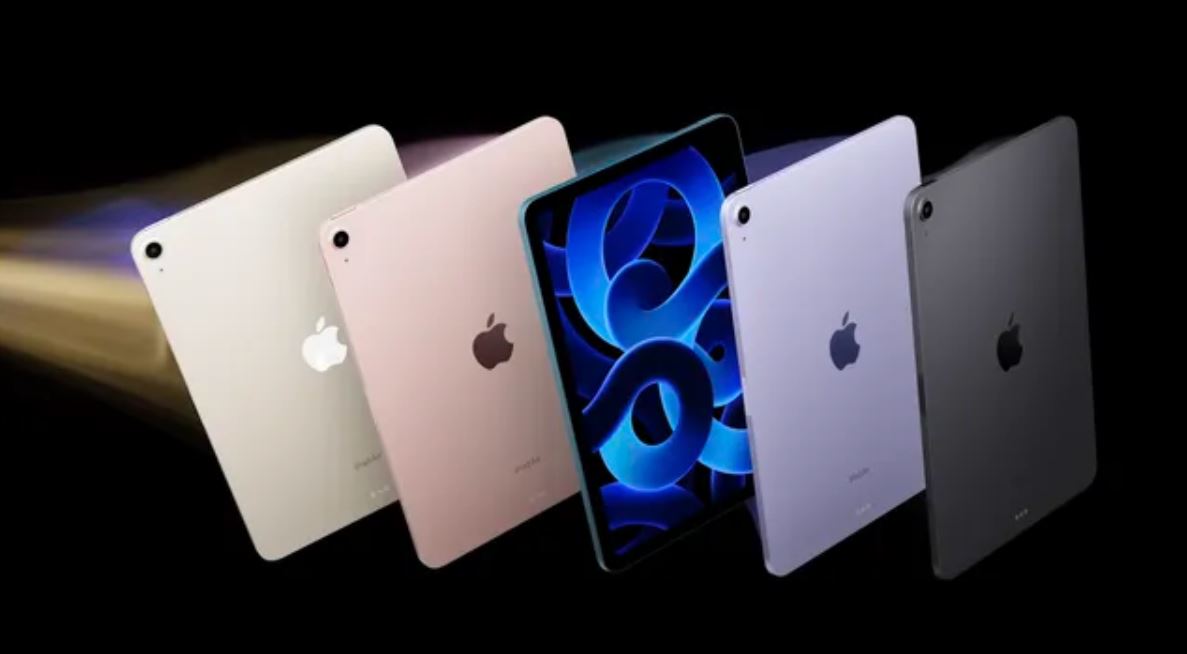
The Evolution and Impact of iPads
In the ever-evolving landscape of technology, few devices have made as significant an impact as Apple’s iPad. Since its introduction in 2010, the iPad has redefined what a tablet can be, blending portability with powerful performance. This article explores the evolution of the iPad, its key features, and its influence on various sectors.
A Brief History
The iPad was unveiled by Steve Jobs on January 27, 2010, and quickly garnered attention for its sleek design and intuitive interface. The original iPad was a game-changer, offering a new way for users to interact with digital content. It was not merely a large iPhone; it was a versatile device designed to bridge the gap between smartphones and laptops.
Since then, Apple has released numerous iterations, each building on the success of its predecessor. The iPad 2, launched in 2011, introduced front and rear-facing cameras and a thinner, lighter design. Subsequent models, including the iPad Air, iPad Mini, and iPad Pro, brought enhancements such as improved displays, faster processors, and advanced features like Apple Pencil support and the Magic Keyboard.
Key Features
- Design and Build Quality: One of the iPad’s standout features is its design. With a sleek aluminum chassis and a high-resolution Retina display, the iPad combines form and function. The latest models offer edge-to-edge screens, thinner profiles, and improved durability.
- Performance: Equipped with Apple’s A-series chips, the iPad delivers impressive performance for both everyday tasks and intensive applications. The latest iPad Pro models feature the M1 and M2 chips, providing desktop-class power and efficiency.
- Operating System: iPadOS, the dedicated operating system for iPads, enhances the tablet experience with multitasking features, enhanced file management, and support for external devices. Regular updates ensure that users have access to the latest features and security improvements.
- Apple Pencil and Keyboard Support: The introduction of the Apple Pencil and Magic Keyboard has transformed the iPad into a versatile productivity tool. The Apple Pencil offers precision for drawing and note-taking, while the Magic Keyboard provides a laptop-like typing experience.
- Camera and Augmented Reality: The iPad’s camera system supports high-quality photos and videos, and augmented reality (AR) features leverage the device’s sensors to create immersive experiences. This has applications in education, gaming, and professional fields.
Applications and Use Cases
The iPad’s versatility has led to its adoption across various domains:
- Education: Schools and universities have embraced the iPad as a powerful educational tool. Its interactive capabilities and a wide range of educational apps make it an effective platform for both teaching and learning.
- Business: For professionals, the iPad offers a portable solution for presentations, note-taking, and collaboration. With apps like Microsoft Office and various project management tools, it has become a staple in many workplaces.
- Creativity: Artists and designers use the iPad for digital painting, graphic design, and video editing. The iPad Pro, with its high-resolution display and support for professional-grade apps, has become a favorite among creative professionals.
- Entertainment: The iPad excels in providing entertainment, from streaming movies and TV shows to playing games. Its high-quality display and audio capabilities enhance the viewing and gaming experience.
The Future of iPad
As technology continues to advance, the iPad is expected to evolve further. Apple’s focus on integrating AI and machine learning, along with potential advancements in display technology and connectivity, suggests that future iPads will offer even more capabilities. The ongoing development of augmented reality and virtual reality could also play a significant role in shaping the next generation of iPads.
Conclusion
The iPad has undeniably left a mark on the technology landscape. Its ability to combine portability, performance, and versatility has made it a popular choice for a wide range of users. From its initial launch to its current status as a powerful tool in various fields, the iPad’s evolution reflects broader trends in technology and user needs. As Apple continues to innovate, the iPad will likely remain at the forefront of the tablet market, driving new possibilities and setting benchmarks for future devices.