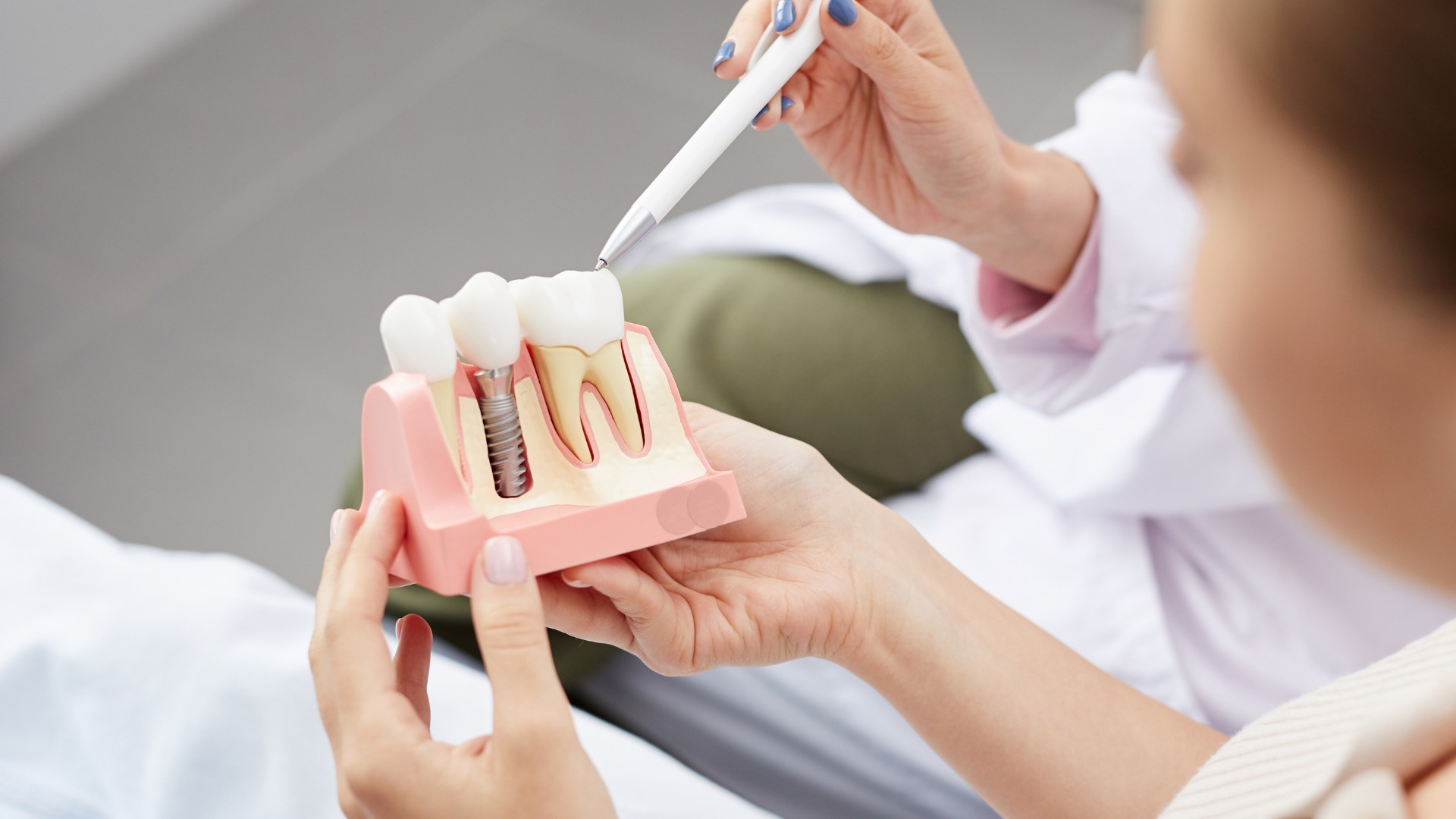
Dental implants are a highly effective solution for replacing missing teeth and improving your smile functionally and aesthetically. However, the healing process is crucial to ensuring the long-term success of your dental implants. Knowing what to expect during this recovery can help you take the necessary steps to promote proper healing and avoid complications.
In this blog, we’ll discuss the key stages of the healing process after dental implants and offer tips for a smooth recovery.
1. Immediate Post-Surgery Period
Right after your dental implant surgery, you can expect some discomfort, swelling, and minor bleeding. This is a normal part of the healing process and typically subsides within a few days.
Common Symptoms:
- Pain and Swelling: Pain and swelling around the implant site are normal for the first few days. Your dentist may prescribe pain relievers or recommend over-the-counter medications like ibuprofen to help manage discomfort.
- Bruising: Some patients may experience bruising around the gums or face. This should fade within a few days.
- Minor Bleeding: Minor bleeding around the implant site is normal. Applying gentle pressure with gauze can help control it.
How to Care for Yourself During This Time:
- Use Ice Packs: Applying an ice pack to the cheek area near the implant site for 20 minutes can help reduce swelling.
- Rest and Avoid Physical Activity: Rest is essential in the first 48 hours after surgery. Avoid strenuous physical activity to allow your body to focus on healing.
- Stick to a Soft Food Diet: Soft foods like mashed potatoes, yogurt, smoothies, and soups will help prevent irritation around the implant area.
- Avoid Hot or Spicy Foods: Hot, spicy, or crunchy foods can irritate the surgical area and slow healing.
2. Osseointegration Phase: Bone Fusion
After the initial recovery from surgery, the most critical healing phase begins osseointegration. This is when the implant posts and fuses with the jawbone to form a stable foundation for the artificial tooth.
What Happens During Osseointegration?
- Bone Growth: Your jawbone will grow around the titanium implant post over several weeks to months. This creates a solid, durable anchor for the crown, bridge, or denture that will be attached later.
- Timeframe: The osseointegration process typically takes 3 to 6 months. During this time, it’s important to follow your dentist’s advice to ensure a successful fusion.
Care Tips During Osseointegration:
- Practice Good Oral Hygiene: Keep your mouth clean by gently brushing and flossing. Avoid brushing directly over the implant site until it is fully healed.
- Avoid Hard Foods: Avoid hard or chewy foods that could disturb the implant site. Stick to softer foods like scrambled eggs, oatmeal, and steamed vegetables.
- Follow-Up Appointments: Your dentist will schedule follow-up appointments to monitor the healing process. These check-ups are important to ensure everything is progressing as expected.
3. Gum Healing
While osseointegration occurs beneath the surface, your gums also play a vital role in healing. The gum tissue around the implant must heal properly to provide stability and a natural appearance.
How Your Gums Heal:
- Tissue Regeneration: After surgery, your gums will regenerate and tighten around the implant post, creating a seal to protect the implant.
- Healing Time: Gum healing typically takes a few weeks. The time may vary depending on how many implants were placed and whether additional procedures (such as bone grafting) were performed.
Tips for Healthy Gum Healing:
- Rinse with Saltwater: A gentle saltwater rinse can help reduce inflammation and promote healing. Avoid using mouthwashes with alcohol, as they can be too harsh for healing tissue.
- Avoid Tobacco: Smoking or using tobacco products can interfere with healing by reducing blood flow to the gums. Quitting smoking can significantly improve your recovery process.
4. Final Restoration: Placing the Crown
Once your jawbone has successfully fused with the implant post and your gums have healed, your dentist will place the final restoration—the crown, bridge, or denture that will be attached to the implant.
What to Expect During This Stage:
- Abutment Placement: Before placing the crown, your dentist will attach a small connector piece called an abutment to the implant post. This helps secure the crown in place.
- Impressions: Your dentist will take impressions of your mouth to create a custom crown that fits seamlessly with your other teeth.
- Final Fitting: After creating the crown, your dentist will fit and adjust it to ensure proper bite alignment and comfort.
Post-Restoration Care:
- Continue Good Oral Hygiene: Maintaining excellent oral hygiene is essential to the long-term success of your dental implant. Brush twice a day and floss regularly, especially around the implant.
- Schedule Regular Check-Ups: Regular dental visits are key to monitoring the health of your implant and ensuring it remains in good condition.
5. Long-Term Healing and Maintenance
Once your dental implant is fully restored, long-term maintenance becomes a priority to ensure longevity. With proper care, dental implants can last a lifetime.
Long-Term Maintenance Tips:
- Oral Hygiene: Brush and floss daily to prevent plaque buildup around the implant. Use a soft-bristle toothbrush and non-abrasive toothpaste to protect the implant and your natural teeth.
- Visit Your Dentist Regularly: Routine dental check-ups will allow your dentist to monitor the implant and surrounding gum tissue. Professional cleanings are also crucial to keeping your mouth healthy.
- Avoid Hard or Sticky Foods: While dental implants are strong, it’s best to avoid foods that could damage them, such as hard candies, ice, or sticky snacks like caramel.
6. Potential Complications to Watch For
While most dental implant procedures are successful, it is important to be aware of potential complications. Understanding the warning signs will help you seek prompt treatment if needed.
Common Signs of Complications:
- Persistent Pain or Swelling: If you experience pain or swelling that lasts more than a week or worsens over time, contact your dentist. This could be a sign of infection.
- Implant Mobility: A properly integrated dental implant should not move. If your implant feels loose, see your dentist right away.
- Gum Recession: If you notice the gum tissue pulling away from the implant, it could indicate a problem with the healing process.
Conclusion
The healing process after getting dental implants is a journey that requires patience and proper care. From the initial recovery period to long-term maintenance, each step is essential for ensuring the success of your implant. By following your dentist’s instructions and taking good care of your oral health, you can enjoy the benefits of a restored smile for years.
If you’re considering dental implants at Chintamani Dental Home or are preparing for your surgery, understanding the healing process can help you feel more confident and prepared. Remember, a healthy recovery leads to a healthy smile! If you’re looking for dental implant in Karad, we are here to support you.