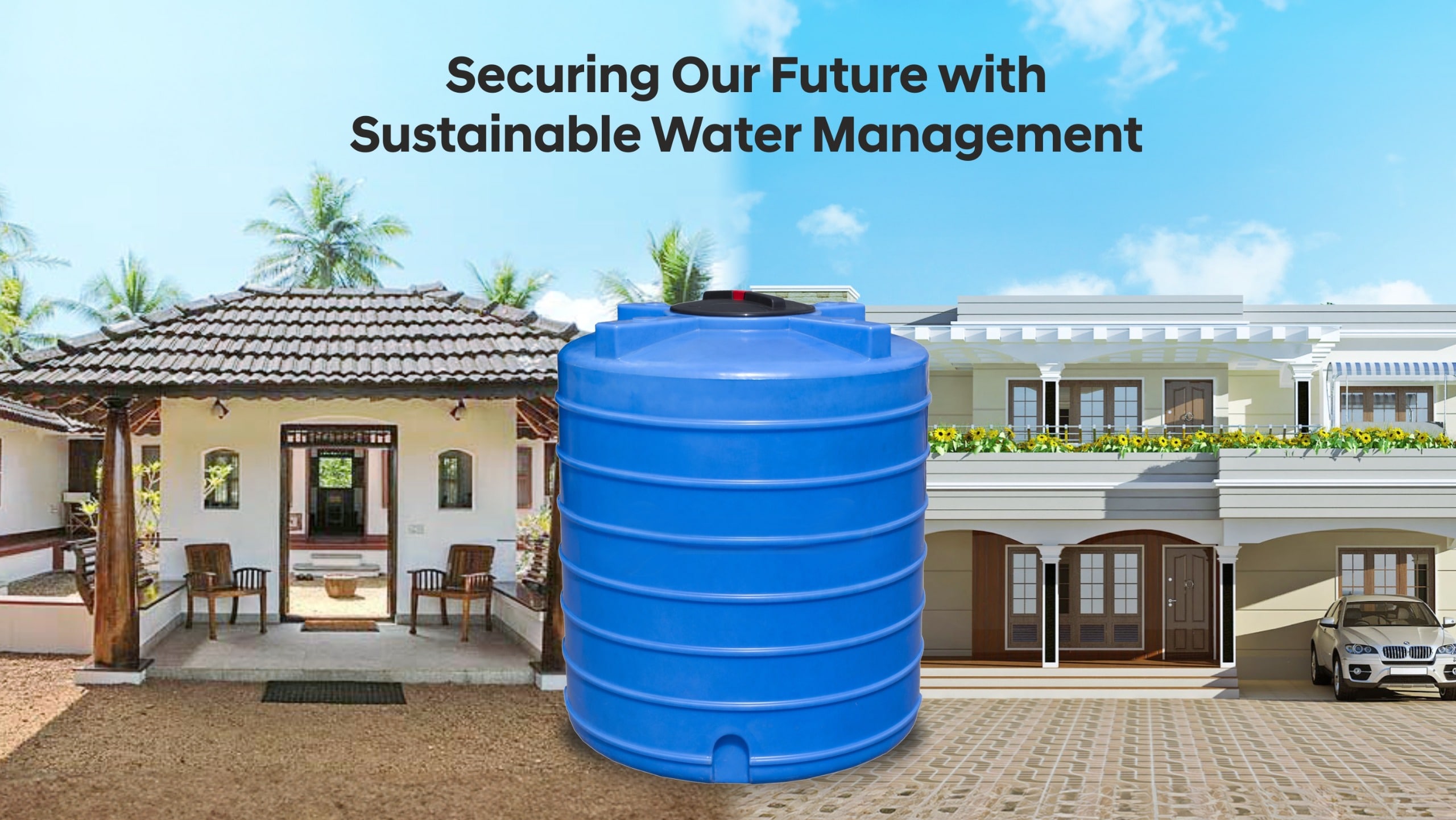
As the urban population increases, so does its use of water, which continues to subject abnormal stress to already dwindling resources. With these problems compounded and multifaceted in nature, sustainable water management has emerged as a strategy to ensure that cities prosper through developments that support residents’ needs without damaging the environment.
Urban areas can develop more resilient and sustainable water systems if they practice efficiency, conservation, and responsible use of the resources. But how so?
Conservation of Resources
Rainwater harvesting, greywater reuse, and even water-efficient products like uPVC pipes will all help reduce dependence on conventional supplies. This would also prolong the life of supplies while reducing energy input to treatment and delivery, lowering greenhouse gas emissions.
Protection of Water Quality
To ensure sustainable usage of this vital resource, there are several approaches to managing water resources, such as green infrastructure, which entails the technique of using green roofs, permeable pavements, and bioswales that filter out pollutants before stormwater enters natural water bodies.
Preserving Ecosystems and Biodiversity
Poorly managed or polluted waters can destroy rivers, lakes, and wetlands, among other ecosystems. The sustainable practices of water management incorporate preservation and restoration of such ecosystems, that are so vital to maintaining biodiversity and the natural cycles of water management.
Reduction of Heat Islands
Urban areas have the heat island effect, which increases temperatures due to concrete and asphalt. Sustainable water management, using green infrastructure such as urban forests and green roofs, can help by allowing evaporation and transpiration to cool the environment around it.
Economic Benefits
The capability of cities to manage their water resources would increase and contribute to the economy through jobs that are created with green infrastructure projects, water conservation initiatives, and maintenance of water systems. Reducing water waste is often expensive and labour-intensive for the municipalities; funds would be reallocated towards some other important services.
Steady population growth will make sustainability in water management increasingly important and require policymakers, urban planners, and the public to collaborate effectively in making recommendations for solutions. Investment in sustainable practices today will ensure a healthy, resilient, and equitable urban environment for current and future generations.