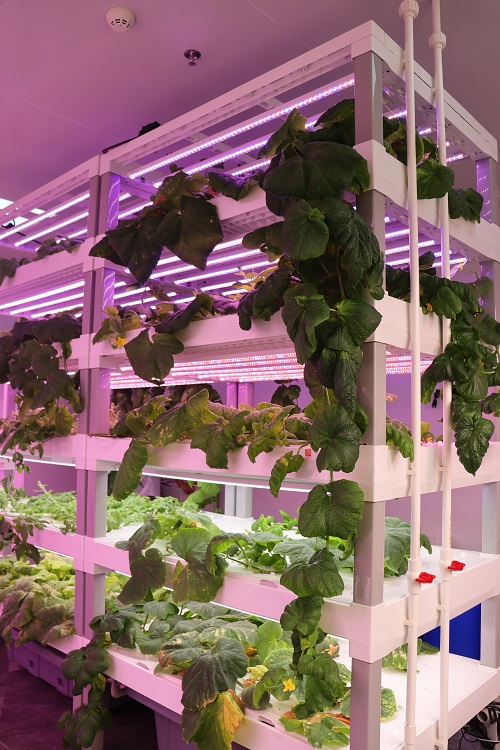
Introduction: Indoor farming has gained prominence as a viable solution to meet the increasing demand for fresh produce in urban areas and regions with challenging climates. Traditional lighting systems such as fluorescent and high-pressure sodium lamps have been widely used but are being gradually replaced by horticulture LED chips. These chips offer precise control over light quality and quantity, which are crucial factors influencing plant growth and development. This paper explores the technological advancements, benefits, and implications of horticulture LED chips in the context of indoor farming.
Technological Advancements in Horticulture LED Chips: Horticulture LED chips are semiconductor devices that emit light in specific wavelengths suitable for photosynthesis and other plant physiological processes. Unlike conventional lighting systems, LED chips can be tuned to emit light in narrow spectra tailored to the needs of different plant species and growth stages. This capability allows for optimized light conditions that promote higher yields and better quality produce.
Recent advancements in LED technology have significantly improved the efficiency and performance of horticulture LED chips. These include developments in chip design, materials science, and thermal management systems, which have led to higher light output, longer lifespan, and reduced energy consumption compared to traditional lighting technologies. The ability to integrate these chips into sophisticated lighting systems further enhances their utility in indoor farming environments.
Benefits of Horticulture LED Chips:
- Energy Efficiency:Horticulture LED chips are more energy-efficient than conventional lighting systems, resulting in lower electricity costs and reduced carbon footprint. The precise control over light output also minimizes energy wastage, making indoor farming more sustainable.
- Customizable Light Spectra:LED chips can emit light in specific wavelengths (e.g., blue, red, far-red) that correspond to peak absorption by chlorophyll and other photoreceptors in plants. This targeted approach optimizes photosynthesis, growth, flowering, and fruiting processes, leading to accelerated growth rates and improved crop yields.
- Heat Management:Unlike traditional lighting systems that emit a significant amount of heat, horticulture LED chips produce minimal infrared radiation and can be equipped with efficient cooling systems. This reduces the risk of heat stress and allows for closer positioning of lights to plants, optimizing light distribution and canopy penetration.
- Longevity and Durability:LED chips have a longer operational lifespan (typically 50,000 to 100,000 hours) compared to conventional bulbs, reducing maintenance costs and downtime in indoor farming operations. Their solid-state design also makes them more resistant to physical damage and environmental factors.
Implications for Indoor Farming: The adoption of horticulture LED chips in indoor farming has several implications for agricultural practices and food production:
- Year-Round Crop Production:LED-based lighting systems enable consistent crop production throughout the year, independent of seasonal variations and natural light availability.
- Space Optimization:Compact and modular LED fixtures allow for efficient use of space in indoor farming facilities, maximizing cultivation area and crop density.
- Crop Diversification:The ability to customize light spectra facilitates the cultivation of a wide range of crops with varying light requirements, expanding the diversity of produce that can be grown indoors.
Conclusion: Horticulture LED chips represent a paradigm shift in indoor farming technology, offering unparalleled control over light quality and energy efficiency. Their ability to provide customized light spectra tailored to specific crop needs enhances productivity, sustainability, and economic viability of indoor farming operations. As technological advancements continue to drive innovation in LED chip design and application, the future of indoor farming looks promising with horticulture LED chips at its forefront.