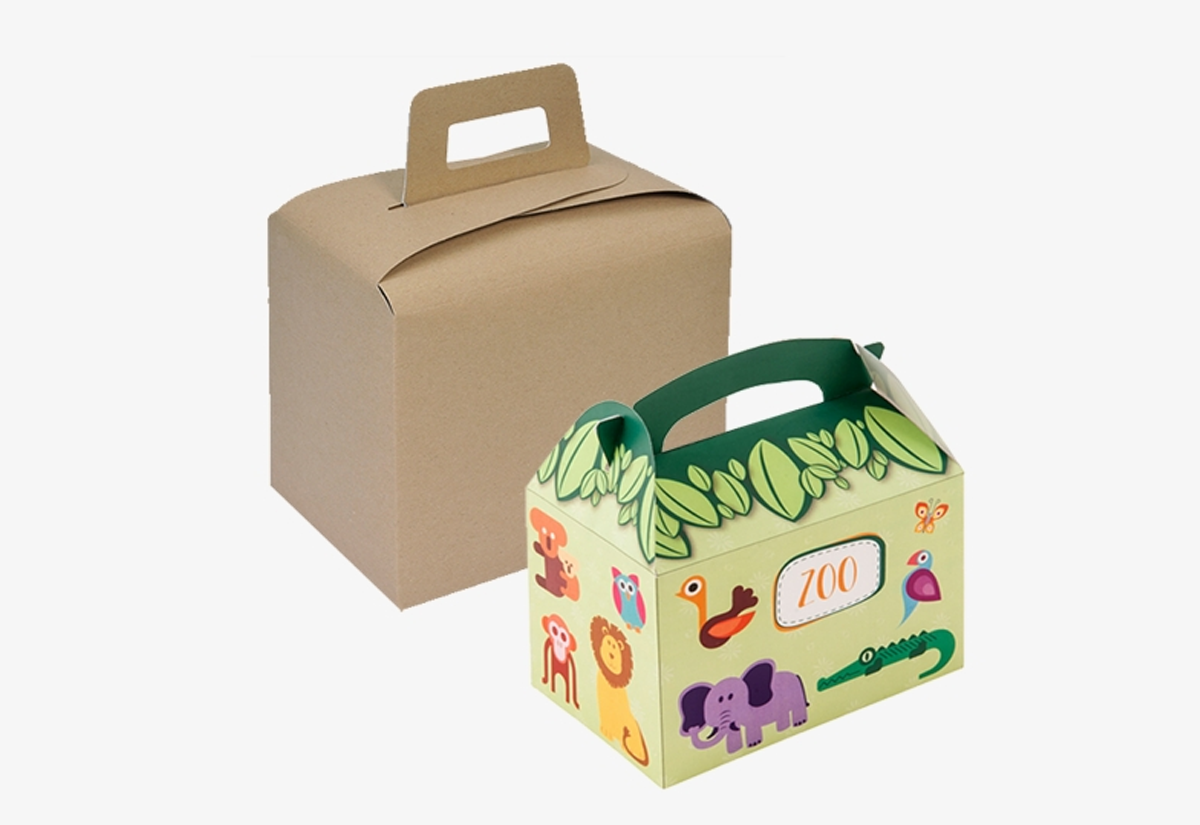
In a world where consumers are constantly bombarded with choices, first impressions matter more than ever. For the food and beverage industry, packaging is often the first point of contact between a product and a potential customer. Creative packaging can make a product stand out on the shelf, evoke emotions, and communicate the brand’s values in an instant. It’s not just about aesthetics; it’s about enhancing the overall consumer experience, creating a sense of trust, and driving sales. In this blog, we’ll explore the crucial role creative packaging plays in food and beverage products and how it impacts everything from brand identity to sustainability.
The Power of Visual Appeal
When it comes to food and beverages, the saying “you eat with your eyes first” is more relevant than ever. Packaging plays an essential role in this visual interaction. Creative packaging that is visually appealing can instantly capture a shopper’s attention, whether it’s through bold colors, unique shapes, or innovative design elements.
Think about the last time you bought a product based on its packaging alone. Perhaps a brightly colored juice bottle or a jar of artisanal jam with beautiful illustrations caught your eye. The design not only entices the customer but also communicates key aspects of the product, such as its flavor, quality, or even its origin. For example, a minimalist design with natural tones might evoke a sense of freshness and health, while a vintage-style label can convey a sense of tradition and authenticity.
Good packaging design helps a product stand out in a crowded marketplace, making it instantly recognizable to consumers. The visual appeal of the packaging can create an emotional connection, prompting consumers to reach for that product instead of another, even if they haven’t tried it before.
Communicating Brand Identity
Packaging is one of the most effective ways for food and beverage brands to communicate their identity and values. A well-thought-out design is more than just eye-catching; it’s a direct reflection of the brand’s personality. Whether it’s a luxurious, high-end product or a fun, quirky snack, the packaging should align with the message the brand wants to send to its audience.
For instance, a high-end chocolate brand may opt for elegant, minimalist packaging with gold foil details to exude a sense of luxury and indulgence. On the other hand, a company that markets organic, eco-friendly snacks may use kraft paper, muted tones, and environmentally conscious messaging to emphasize its sustainability efforts.
Through the use of colors, typography, and images, packaging can immediately convey a product’s ethos and appeal to the target demographic. It acts as a silent salesperson that communicates not only the product’s features but also what the brand stands for, helping customers make more informed purchasing decisions.
Building Trust and Transparency
In today’s market, consumers are more conscious than ever about what they are putting into their bodies. This has led to an increased demand for transparency in the food and beverage industry. Creative packaging provides an opportunity for brands to showcase important product information in a clear, approachable manner.
For example, brands can use packaging to highlight their ingredient lists, nutritional information, and certifications (like organic, fair trade, or gluten-free). Packaging can also be a tool for communicating a company’s sustainability practices, such as using recyclable materials or supporting ethical sourcing.
By showcasing this type of information on the packaging, brands can build trust with their customers. Creative, transparent packaging signals to consumers that the brand is open about what’s inside the product and is committed to providing quality, safe, and ethical goods. This trust is crucial in the food and beverage sector, where consumers are increasingly making health and sustainability considerations a priority.
Enhancing the Consumer Experience
Packaging isn’t just about attracting attention – it’s about providing a positive, memorable experience for the consumer. The way a product is packaged can influence how customers perceive the product and how they interact with it. Creative packaging designs can turn an ordinary food item into something that feels like a treat, adding an extra layer of excitement to the purchasing and consuming experience.
Consider packaging features that create a sense of luxury or indulgence, like foil stamping or embossing, which make the packaging feel premium to the touch. Or, packaging that opens in a unique way, such as a tear-off tab or a resealable pouch, enhances convenience, making it easier for the consumer to access the product and keep it fresh.
For example, a bottle of soda might come in a can with a fun, pop-culture reference or quirky design, making the experience of cracking open a cold drink more engaging. Likewise, a snack box might feature interactive or playful packaging, such as collectible designs or hidden messages. These creative touches elevate the product beyond just being functional; they add emotional value that resonates with customers.
Sustainability and Eco-Friendly Packaging
As sustainability continues to be a key concern for consumers, creative packaging is increasingly being used as a vehicle to support environmentally responsible practices. Eco-conscious packaging is not just a trend – it’s become a demand from consumers who are looking to reduce their carbon footprint and support brands that align with their values.
In the food and beverage industry, there are several ways creative packaging can address sustainability concerns. Brands are moving away from plastic and opting for biodegradable, recyclable, or reusable packaging options. Materials like glass, metal, and compostable packaging are becoming more popular, as they offer eco-friendly alternatives to traditional plastic containers.
In addition to using sustainable materials, companies can also innovate with their packaging designs to reduce waste. For example, using minimal packaging or designing products that can be easily refilled or reused helps reduce the overall environmental impact. Creative packaging solutions not only help reduce waste but also communicate the brand’s commitment to sustainability, which can increase customer loyalty and brand trust.
Customization and Personalization
With the rise of e-commerce and digital printing technology, brands now have more opportunities than ever to create customized and personalized packaging for their food and beverage products. This can range from personalized labels to custom packaging for special occasions. Brands can offer customers the ability to personalize their products, making them perfect for gifts, celebrations, or unique experiences.
Personalization is an excellent way to strengthen the emotional connection between the brand and the customer. For instance, a coffee brand might offer customers the chance to customize their packaging with their name or a special message. A wine or spirit brand might provide personalized labels for special events like weddings or holidays. Personalized packaging turns a product from just an item on a shelf into a memorable experience, making it more likely that customers will return for future purchases.
The Competitive Edge
In a competitive industry where shelf space is limited and products are often indistinguishable from one another, creative packaging gives brands a distinct edge. It allows brands to communicate their unique selling propositions and make their products stand out. Whether through an eye-catching design, clear messaging, or innovative functionality, creative packaging helps food and beverage brands create a point of difference.
Consumers are more likely to remember and choose products that have visually striking and distinctive packaging. Over time, this strengthens brand recall and customer loyalty. A product that stands out on the shelf has a better chance of attracting attention, increasing sales, and gaining a loyal customer base.
Conclusion
Creative packaging plays a pivotal role in the food and beverage industry. It goes far beyond simply holding a product; it’s about creating an experience, communicating the brand’s identity, and fostering trust with consumers. Packaging enhances the overall consumer journey, from the moment the product is seen on the shelf to the experience of unboxing and using it. By investing in creative and thoughtful packaging, food and beverage brands can differentiate themselves, build customer loyalty, and support sustainability. In a crowded marketplace, packaging is often the silent salesman that can make all the difference in whether a customer picks up a product or passes it by.