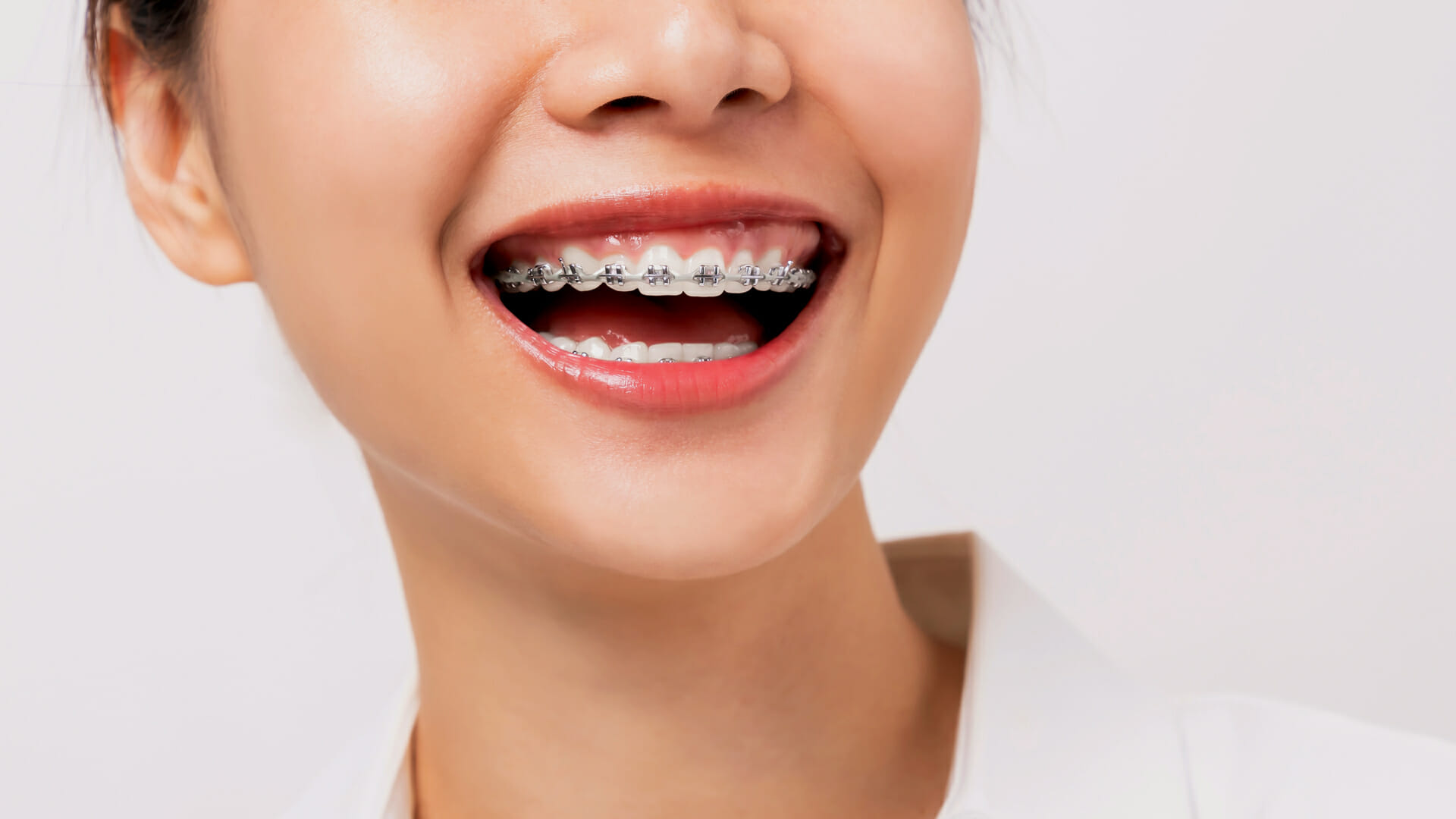
Braces are a powerful and effective tool for straightening teeth and improving dental alignment. If you’re considering dental braces in Dubai, it’s important to understand how they work. Braces use a combination of pressure, time, and careful adjustments to shift teeth into their ideal positions. This article will dive into the science behind how braces function, the process involved, and the role of your orthodontist in achieving the perfect smile.
1. The Basic Components of Braces:
Braces are made up of several components that work together to create gentle, consistent pressure on your teeth.
Why It’s Important:
- Brackets: These small metal or ceramic pieces are attached to each tooth. They act as anchors to hold the archwires in place.
- Archwires: These wires are threaded through the brackets. They apply pressure on the teeth to guide them into the desired position.
- Elastic Bands: Some braces use rubber bands to apply extra force on specific teeth or sections of your mouth, helping to correct issues like bite alignment.
- Bands and Buccal Tubes: These are placed around your molars to anchor the braces and help distribute pressure more evenly.
2. The Role of Pressure in Moving Teeth:
The primary mechanism behind how braces straighten your teeth is the application of pressure.
Why It’s Important:
- Pressure on Teeth: Braces apply consistent, controlled pressure to your teeth, gradually moving them into proper alignment. The bone surrounding your teeth changes in response to this pressure, a process known as bone remodeling.
- Bone Remodeling: When pressure is applied to one side of a tooth, the bone in that area is broken down, allowing the tooth to move. On the opposite side of the tooth, new bone forms to support the tooth in its new position.
- Gradual Movement: This process happens slowly over time, which is why braces treatment typically takes several months to a few years to complete, depending on the severity of the misalignment.
3. The Biological Process Behind Tooth Movement:
The movement of teeth through bone is a complex biological process that involves both soft tissue and hard tissue.
Why It’s Important:
- Osteoclasts and Osteoblasts: Osteoclasts are cells that break down bone tissue, while osteoblasts are cells that build new bone. When braces apply pressure, osteoclasts break down the bone on one side of the tooth, and osteoblasts rebuild it on the opposite side.
- Periodontal Ligament (PDL): This soft tissue structure connects your teeth to the jawbone. It acts as a cushion, absorbing the pressure from braces and helping the teeth shift. As the teeth move, the PDL stretches and contracts, aiding the tooth’s movement through the jawbone.
- Time and Consistency: The entire process is gradual, with the cells working over time to move teeth effectively and safely. The continuous pressure from braces ensures that this process progresses at a steady pace.
4. Types of Braces and How They Work:
There are different types of braces available, each using slightly different methods to straighten teeth. While the science behind tooth movement is the same, the materials and design of the braces can vary.
Why It’s Important:
- Traditional Metal Braces: The most common type of braces, these consist of metal brackets and archwires. They use consistent pressure to shift teeth, and are ideal for severe misalignments.
- Ceramic Braces: Similar to metal braces but made of clear or tooth-colored materials, ceramic braces work in much the same way, but they are less visible.
- Lingual Braces: These braces are placed on the inside of your teeth, making them less visible. They work similarly to traditional braces, applying pressure to align the teeth over time.
- Clear Aligners (Invisalign): These are custom-made, removable plastic trays that fit over your teeth. While they don’t use brackets or wires, they apply controlled pressure to move teeth similarly to traditional braces.
5. The Importance of Regular Adjustments:
Regular visits to your orthodontist are essential for ensuring that your braces are working effectively.
Why It’s Important:
- Adjusting Pressure: Over time, your orthodontist will adjust the archwires and tighten the braces to maintain the correct pressure on your teeth. These adjustments are critical to achieving the best results.
- Monitoring Progress: Your orthodontist will monitor how your teeth are moving, checking for any areas that might need extra attention. This ensures that the process is proceeding correctly and efficiently.
- Adapting to Changes: As your teeth move and the alignment improves, your orthodontist may recommend different wires or adjust the elastic bands to target specific areas of your teeth and jaw.
6. The Role of Jaw Alignment and Bite in Braces Treatment:
Braces don’t only focus on straightening teeth—they also address issues with bite and jaw alignment.
Why It’s Important:
- Correcting Bite Issues: Braces are often used to treat malocclusions (bite issues), such as overbites, underbites, or crossbites. Correcting the bite helps ensure that your teeth not only look great but also function properly.
- Improving Jaw Alignment: In some cases, the braces will also help realign the jaw, ensuring that your upper and lower teeth fit together comfortably and correctly.
7. How Long Does It Take to Straighten Teeth with Braces?:
The length of time you will need to wear braces depends on several factors, including the severity of your dental issues and your age.
Why It’s Important:
- Mild Cases: For minor alignment issues, braces treatment may take as little as 12-18 months.
- Severe Cases: More complex issues, such as severe bite problems or crooked teeth, may require up to 2-3 years of treatment.
- Age Factor: Treatment duration can vary depending on your age. Younger patients typically experience faster tooth movement due to more flexible bone structure, whereas adults may take longer to achieve optimal results.
8. The Final Stages:
Once your teeth have been moved into their desired positions, your orthodontist will remove the braces and place a retainer.
Why It’s Important:
- Retention Phase: After the braces come off, the retainer ensures that your teeth remain in their new, correct positions. The retainer prevents the teeth from shifting back into their original misalignment.
- Follow-Up Care: Your orthodontist will schedule follow-up appointments to monitor your progress and ensure that the results are stable.
Conclusion:
The science behind how braces straighten your teeth is a fascinating process that combines biology, physics, and precise orthodontic techniques. By applying consistent pressure to the teeth and gradually shifting them into their correct positions, braces help improve both the function and appearance of your smile. If you’re considering dental braces in Dubai, it’s important to work closely with an experienced orthodontist who can guide you through the process and ensure that your treatment is as effective and comfortable as possible. With the right care and attention, braces can deliver long-lasting results that you’ll be proud to show off for years to come.