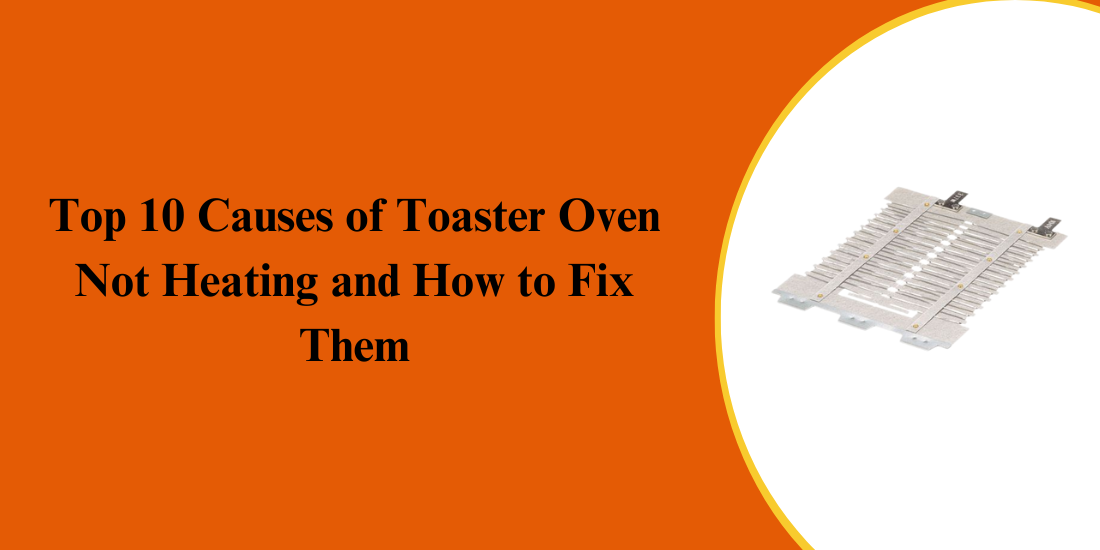
A toaster oven is a versatile appliance used in homes and commercial kitchens for quick, efficient cooking. When the toaster oven heating element fails, it can cause uneven cooking, reduced productivity, or complete heating failure. Common causes include worn-out components, electrical issues, or internal wiring problems such as a damaged toaster heating element wire. Regular maintenance, timely replacement of faulty parts, and using quality toaster oven parts and accessories, including toaster oven heating coil replacement, ensure consistent heating performance and extend the appliance’s durability.
This guide covers:
- The most common causes of a toaster oven not heating
- Practical, step-by-step fixes to restore heating functionality
- Preventive maintenance tips to extend the life of the toaster oven heating element and related components
Understanding when to troubleshoot, repair, or replace faulty parts ensures safe operation, consistent cooking temperatures, and long-term efficiency in both residential and commercial toaster oven applications.
Burnt-Out Heating Element
One of the most frequent causes of a toaster oven not heating is a burnt-out toaster oven heating element. Over time, repeated use can wear down the heating coils. causing them to break or lose efficiency. Visible signs include blackened or broken wires, uneven heating, or a complete lack of warmth when the oven is on.
Fixes:
- Remove the toaster from the oven and allow it to cool.
- Remove the interior panels to access the heating element.
- Inspect for damage or burn marks.
- Replace the damaged element with a compatible toaster oven heating coil replacement.
- Reassemble and test for proper heating.
Faulty Thermostat
A defective thermostat can prevent your toasters from getting the required temperature or heating at all. The thermostat regulates the oven’s internal temperature by controlling the supply of power to the heating element. If it fails, the element may not receive power, resulting in cold or inconsistent cooking.
Fixes:
- Disconnect the oven from power.
- Access the thermostat by removing the back panel.
- Test the thermostat with a multimeter for continuity.
- Replace it if readings are abnormal.
- Reassemble the oven and confirm that the temperature adjusts correctly.
Defective Temperature Sensor
The temperature sensor monitors heat levels and signals the thermostat or control board to adjust power to the toaster oven heating element. A faulty sensor can send inaccurate readings, causing the oven to remain cold or overheat intermittently. Common symptoms include uneven cooking or the appliance failing to maintain a steady temperature.
Fixes:
- Turn off and unplug the toaster oven.
- Locate the temperature sensor, usually near the heating element.
- Test the sensor with a multimeter for proper resistance levels.
- Replace the sensor if readings are outside the manufacturer’s specifications.
- Test the oven by heating it to confirm normal operation.
Blown Thermal Fuse
A blown thermal fuse is a safety feature designed to prevent overheating but can leave your toaster oven nonfunctional. If the fuse is damaged, electricity cannot reach the toaster heating element wire, preventing any heat generation. Causes include prolonged use at high temperatures or electrical surges.
Fixes:
- Ensure the toaster is unplugged and cooled.
- Take off the back panel to access the thermal fuse.
- Test the fuse with a multimeter.
- Replace it with a fuse matching the original rating.
- Reassemble the appliance and confirm that the heating function works correctly.
Malfunctioning Control Board
The control board governs the distribution of power to your toaster oven’s components. A malfunctioning board can prevent electricity from reaching the toaster oven heating element, resulting in no heat or erratic operation. Symptoms include unresponsive controls, intermittent heating, or complete failure to turn on.
Fixes:
- Disconnect the toaster oven from power.
- Access the control board by removing the outer panels.
- Inspect for visible burn marks or damaged circuits.
- Replace the board with a compatible replacement.
- Test all functions to ensure the oven operates smoothly and heats correctly.
Damaged Selector or Function Switch
The selector or function switch directs power to the toaster oven heating element based on the cooking mode chosen. A damaged switch may result in no heat or inconsistent performance, especially if certain modes fail while others work. Over time, repeated use or moisture can cause the contacts to wear out.
Fixes:
- Unplug the appliance and remove any panels to access the switch.
- Test the switch with a multimeter for continuity in each position.
- Replace any faulty switch with a matching toaster oven parts and accessories component.
- Reassemble the oven and test all functions for proper heating.
Broken Door Switch
A broken or misaligned door switch can keep the toaster oven from heating. These switches act as safety devices, cutting power to the toaster heating element wire when the door is open. If the switch fails, the oven may not recognize that the door is closed, leaving the element inactive.
Fixes:
- Ensure the toaster oven is unplugged.
- Locate the door switch, usually near the latch mechanism.
- Test the switch for continuity.
- Replace a defective switch with a compatible part.
- Close the door and run a test to ensure that it heats correctly.
Loose or Burnt Internal Wiring
Internal wiring issues, including loose connections or burnt wires, can prevent electricity from reaching the toaster oven heating element. These issues may arise from overheating, wear and tear, or electrical surges. Warning signs include sparks, burnt smells, or inconsistent heating.
Fixes:
- Unplug the appliance before inspecting.
- Remove panels to access internal wiring.
- Look for loose terminals, frayed wires, or burn marks.
- Reconnect loose wires or replace damaged wiring using proper connectors.
- Test the oven to ensure the heating component is receiving power and functioning correctly.
Faulty Timer or Control Knob
A malfunctioning timer or control knob may disrupt the flow of power to the toaster oven heating element, preventing the oven from turning on or maintaining heat. This is common in older models where frequent use wears down internal contacts.
Fixes:
- Disconnect the toaster oven from power.
- Remove panels to access the timer or control knob assembly.
- Inspect for worn or broken contacts.
- Replace the faulty timer or knob with a compatible toaster oven parts and accessories replacement.
- Test all functions to ensure proper timing and heating during operation.
Maintenance Tips to Keep Your Toaster Oven Heating Efficiently
Proper maintenance keeps your toaster oven safe, efficient, and long-lasting. Routine cleaning and inspections prevent issues like uneven heating, faulty controls, or a burnt-out toaster oven heating element, ensuring consistent performance and avoiding costly repairs.
1. Clean the Interior Regularly
Crumbs, grease, and food residue can accumulate inside the oven, posing a fire hazard and affecting heat distribution. Use a delicate brush or damp cloth to clean trays, walls, and corners. Avoid harsh abrasives that could cause damage the toaster oven heating element or interior coatings.
2. Inspect Heating Element and Wires
The toaster heating element wire and coil are prone to wear and tear over time. Check for fraying, burn marks, or loose connections. If any damage is found, replace the heating component promptly to maintain optimal performance and safety.
3. Check Controls and Switches
Timers, knobs, and door switches control the flow of electricity to the heating element. Test these components periodically to ensure they are responsive and functioning correctly.
4. Schedule Routine Maintenance
Beyond cleaning and inspection, schedule periodic maintenance to replace worn parts, tighten connections, and check the overall condition of toaster oven parts and accessories. This proactive approach keeps your appliance reliable and efficient for longer.
Troubleshooting a non-heating toaster oven often comes down to identifying the faulty component, whether it’s a burnt-out toaster oven heating element, defective thermostat, or damaged internal wiring. With the right toaster oven parts and accessories, including toaster oven heating coil replacements, many issues can be resolved quickly, restoring your appliance to full functionality. Regular maintenance, careful handling, and prompt replacement of worn components will prolong the life of your toaster oven. By following these detailed steps, you can ensure consistent heating performance, safe operation, and continued convenience in your kitchen.
PartsFe CA supplies restaurant equipment parts for ice machines, grills, and fryers with quick delivery throughout Canada, helping businesses reduce equipment downtime and keep operations running smoothly.
FAQ’s
1. Can you replace the heating elements in a toaster oven?
Yes, you can replace toaster oven heating elements by unplugging the unit, removing the old element, and installing a compatible replacement.
2. Can I replace my oven heating element myself?
Yes, you can replace your oven heating element yourself by unplugging the oven, removing the old element, and installing a new one.
3. Can a broken heating element be repaired?
A broken heating element cannot usually be repaired safely; it should be replaced with a compatible toaster oven heating coil replacement.