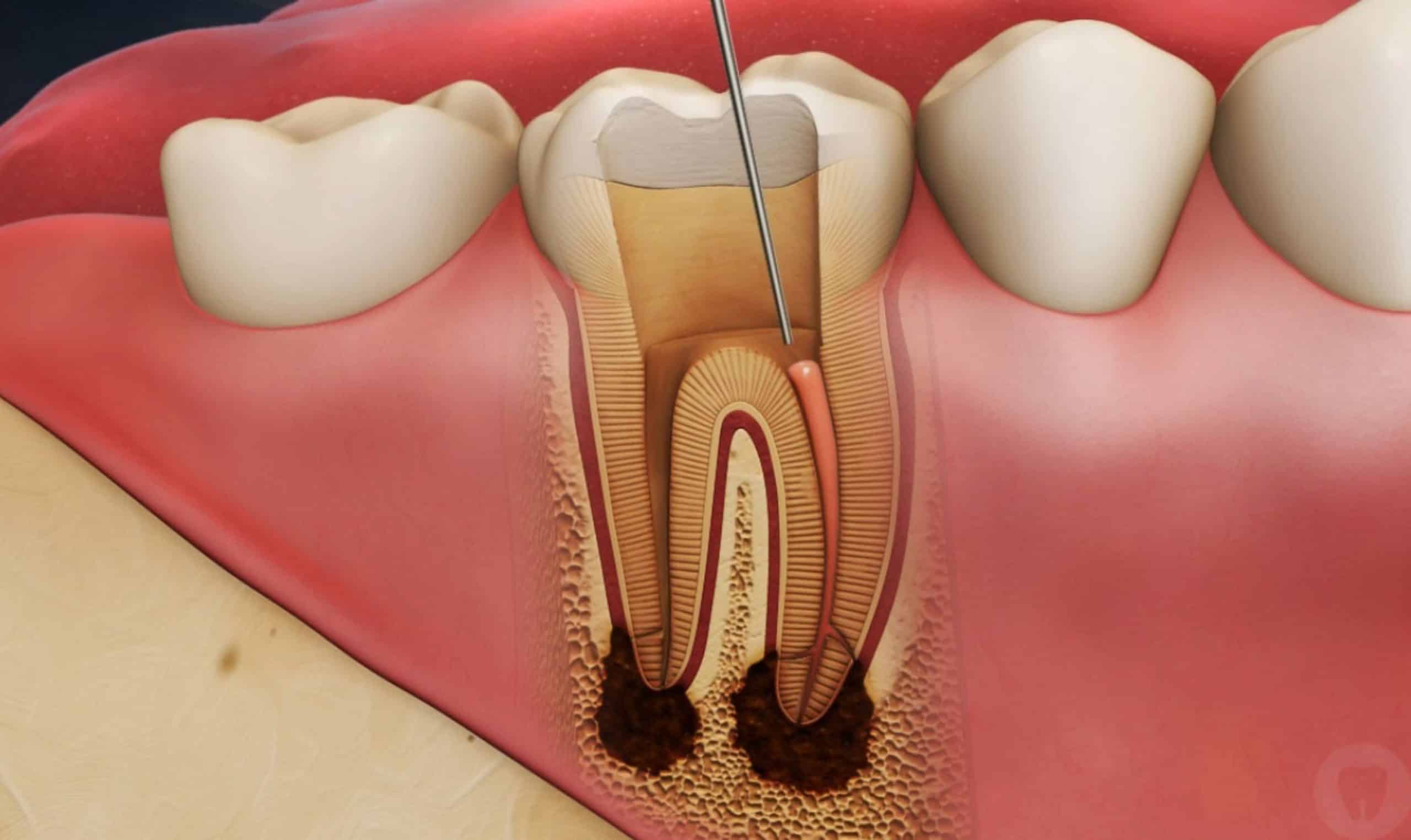
Root canal treatment is a dental procedure designed to save a tooth that has become infected or severely damaged. If you’re in Chembur East and have concerns about dental pain or infection, understanding the process of root canal treatment can help ease anxiety and ensure you make informed decisions. In this comprehensive guide, we’ll explore what root canal treatment in Chembur East entails, when it’s necessary, the step-by-step process, recovery, and common myths associated with this essential procedure.
What Is a Root Canal Treatment?
A root canal treatment, or endodontic therapy, involves removing the infected or damaged pulp (the soft tissue inside the tooth) to save the tooth from extraction. The pulp contains nerves and blood vessels that nourish the tooth, and when it becomes inflamed or infected, it can cause severe pain and lead to more serious health issues if left untreated.
When Is Root Canal Treatment Needed?
Root canal treatment may be necessary in various situations, including:
- Severe Tooth Decay: Extensive cavities can reach the pulp, causing infection and requiring treatment.
- Injury or Trauma: A cracked or fractured tooth can expose the pulp to bacteria, leading to infection.
- Recurrent Dental Procedures: Multiple dental treatments on the same tooth may weaken the pulp and necessitate a root canal.
- Gum Disease: Advanced gum disease can affect the supporting structures of the tooth and the pulp, leading to infection.
Signs You Might Need a Root Canal
- Severe toothache or pain, especially when chewing or applying pressure
- Prolonged sensitivity to hot or cold temperatures
- Discoloration or darkening of the tooth
- Swelling and tenderness in nearby gums
- Persistent or recurring gum infections
If you experience any of these symptoms, it’s essential to consult your dentist promptly for a thorough evaluation.
The Step-by-Step Process of Root Canal Treatment
Root canal treatment typically involves several steps:
- Initial Consultation
Your dentist will perform a thorough examination, including X-rays, to determine the tooth’s condition and whether root canal treatment is necessary. They will discuss your symptoms, medical history, and treatment options. - Anesthesia
Before the procedure begins, your dentist will administer local anesthesia to numb the affected tooth and surrounding area. This ensures you remain comfortable throughout the treatment. - Accessing the Tooth
Once you’re numb, the dentist will open the tooth’s crown to access the pulp chamber and root canals. - Removing the Infected Pulp
The dentist will carefully remove the infected or damaged pulp tissue from the canals using specialized instruments. - Cleaning and Shaping the Canals
After removing the pulp, the dentist will clean and shape the canals to prepare them for filling. This step is crucial for eliminating any remaining bacteria and debris. - Disinfection
The canals will be disinfected to kill any remaining bacteria and reduce the risk of future infections. - Filling the Canals
The dentist will fill the cleaned canals with a biocompatible material, usually gutta-percha, which seals the canals and prevents bacteria from re-entering. - Sealing the Tooth
Finally, the access opening will be sealed with a temporary or permanent filling. You may be scheduled for a follow-up appointment if further restoration is needed, such as a crown.
Recovery After Root Canal Treatment
Recovery after root canal treatment is generally straightforward, though some discomfort or swelling may occur. Here’s what to expect:
- Pain Management: Over-the-counter pain relievers can help manage discomfort, though your dentist may prescribe stronger medication if necessary.
- Dietary Adjustments: Stick to soft foods and avoid chewing on the treated tooth until it has fully healed.
- Oral Hygiene: Maintain good oral hygiene, but be gentle around the treated area.
- Follow-Up Appointments: Attend any scheduled follow-up visits to ensure proper healing and receive additional restorations, such as a crown.
Common Myths About Root Canal Treatment
Despite its importance, several myths surrounding root canal treatment can create unnecessary fear:
- Myth: Root canals are painful.
Reality: Most patients report minimal discomfort during the procedure, thanks to advancements in dental anesthesia. Post-treatment discomfort is usually manageable with over-the-counter pain relievers. - Myth: A root canal will take multiple appointments.
Reality: Many root canal treatments can be completed in one appointment, though more complicated cases may require follow-up visits. - Myth: If I get a root canal, I still need to extract the tooth.
Reality: The goal of root canal treatment is to save the tooth. With proper care, a treated tooth can last a lifetime. - Myth: Root canals lead to illness.
Reality: No scientific evidence supports the idea that root canal treatment causes illness. In fact, treating an infected tooth helps prevent further health complications.
Conclusion
Understanding root canal treatment is essential for making informed decisions about your dental health. While this procedure may seem daunting, it can save a tooth from extraction and alleviate pain caused by infection or damage. If you experience symptoms indicating the need for root canal treatment in Chembur East, consult your dentist for a thorough examination and personalized treatment plan. With timely intervention and proper care, you can preserve your teeth and maintain a healthy smile for years to come.