


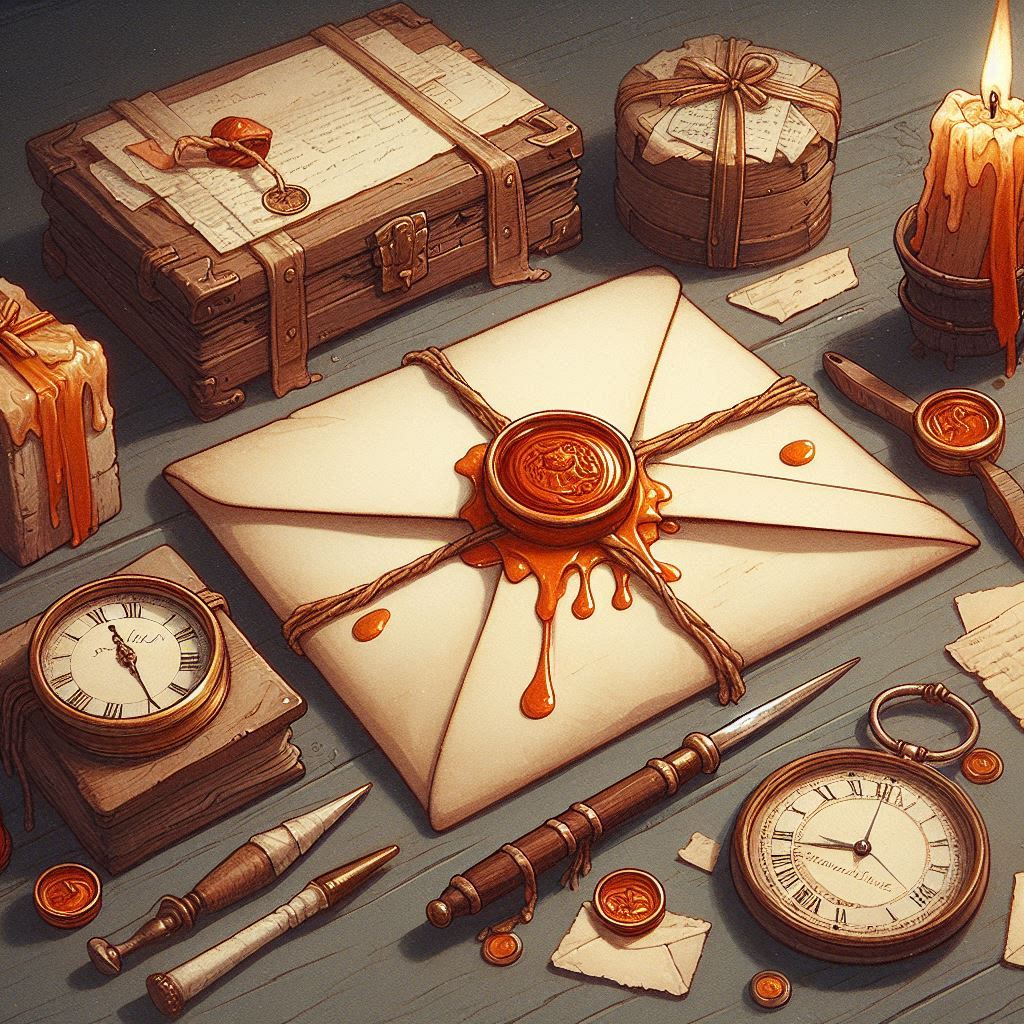
Epistolary novels, characterized by their use of letters, diary entries, or other forms of personal communication, offer a unique storytelling experience that immerses readers into the characters’ intimate worlds. If you’re interested in how to write an epistolary novel, understanding the key elements of this literary form can help you craft a compelling narrative.
What is an Epistolary Novel?
An epistolary novel is a narrative told through the medium of correspondence. This can include letters, emails, diary entries, or even text messages. The format allows readers to experience the story from the characters’ perspectives in a direct and personal way. The form has been used effectively to explore deep emotions, multiple viewpoints, and intricate plots.
Key Features of Epistolary Novels:
- Intimate Perspective: The first-person viewpoint provided by letters or diary entries offers a direct window into the characters’ thoughts, feelings, and motivations.
- Multiple Voices: By including letters from various characters, you can present diverse viewpoints and create a multifaceted narrative that enriches the story.
- Realism and Authenticity: The use of genuine-looking correspondence can lend an air of authenticity, making the fictional world feel more tangible and believable.
- Suspense and Tension: The gradual revelation of information through letters or diary entries can build suspense and keep readers engaged as they piece together the narrative.
How to Write an Epistolary Novel:
- Develop Strong Characters:
- Ensure that each character’s voice is distinct and authentic. Their letters or diary entries should reflect their personality, background, and emotional state.
- Create a Cohesive Plot:
- Even though the story is told through fragmented correspondence, ensure that there is a clear and cohesive plot that connects the different pieces of communication.
- Maintain Authenticity:
- Write in a style that matches the time period or setting of your novel. For historical epistolary novels, research period-appropriate language and formats.
- Balance Information:
- Carefully manage how much information is revealed in each piece of correspondence to maintain suspense and keep readers intrigued.
- Integrate Different Formats:
- Consider using various forms of communication, such as emails, text messages, or social media posts, to modernize the format and reflect contemporary communication methods.
- Edit for Consistency:
- Ensure that the tone, style, and format remain consistent throughout the novel. Each letter or entry should align with the character’s voice and the overall narrative.
By understanding these elements and applying them thoughtfully, you can master the art of writing an epistolary novel and create a compelling, immersive story. For a detailed guide on how to write an epistolary novel, explore resources and examples that illustrate successful use of this narrative form.


