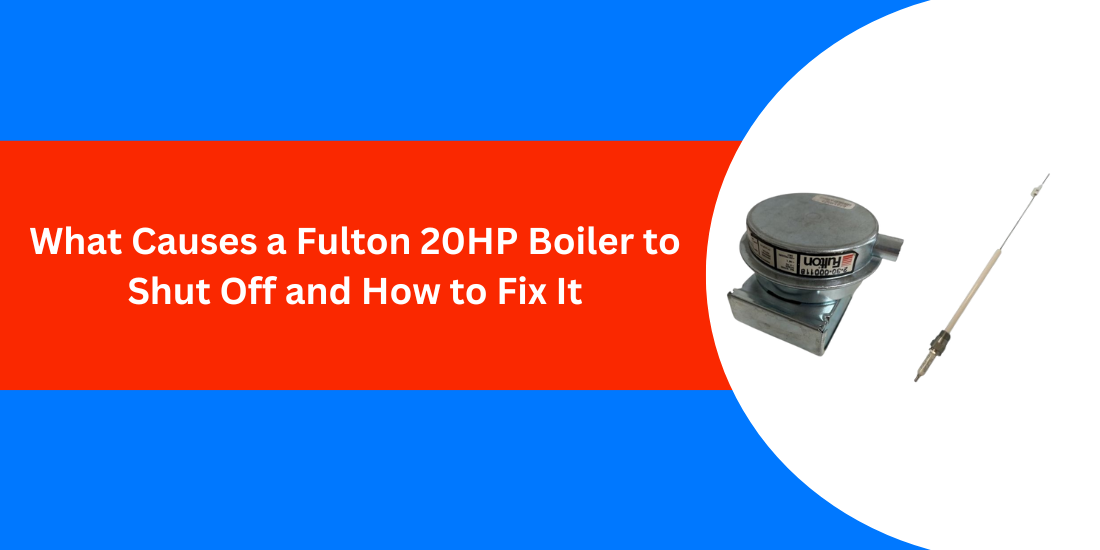
A Fulton 20HP boiler is a reliable essential in commercial and industrial settings, providing consistent steam for various processes. However, unexpected shutdowns can disrupt operations, reduce efficiency, and indicate underlying mechanical, electrical, or operational issues. Common causes include low water pressure, faulty sensors, burner or ignition problems, fuel supply interruptions, and scale buildup. Understanding these causes and applying the correct repairs—often using genuine Fulton pulse boiler parts—is essential for safe and efficient operation. This guide explains why a Fulton 20HP boiler may shut off unexpectedly and provides practical steps to diagnose, fix, and prevent future shutdowns.
Common Reasons a Fulton 20HP Boiler Shuts Off Unexpectedly
Unexpected shutdowns in a Fulton 20HP boiler can disrupt operations, reduce efficiency, and even pose safety risks if left unaddressed. Several common causes indicate that your boiler may need attention:
- Low Water Pressure or Water Level Issues: One of the first signs of a potential problem is frequent or unexpected shutdowns during normal operation. If the water level drops below the recommended minimum, the boiler’s safety controls will automatically cut power to prevent overheating or damage. Leaks, malfunctioning feed valves, or faulty water level sensors are often responsible.
- Faulty Pressure or Temperature Sensors: Malfunctioning sensors can trigger shutdowns even when operating conditions are normal. Inconsistent or erratic readings on the control panel, combined with sudden boiler stoppages, indicate that a pressure or temperature sensor may need inspection or replacement.
- Burner or Ignition System Problems: A burner that fails to ignite consistently or an ignition system that intermittently shuts off can cause the boiler to stop producing steam. Dirty burners, worn electrodes, or improper fuel-to-air ratios are common culprits behind these issues.
- Fuel Supply or Gas Valve Interruptions: Inconsistent fuel flow, clogged fuel lines, or a malfunctioning gas valve can prevent proper combustion, causing the boiler to shut down as a safety precaution.
- Scale or Sediment Buildup: Over time, mineral deposits reduce heat transfer efficiency, leading to overheating. This triggers automatic safety shutdowns to protect the boiler.
Early detection of these warning signs allows for timely intervention using genuine Fulton pulse boiler parts, preventing further damage, ensuring safe operation, and maintaining consistent steam output. Addressing these causes promptly reduces downtime, increases efficiency, and extends the service life of your Fulton 20HP boiler.
Steps to Fix a Fulton 20HP Boiler That Keeps Shutting Off
When a Fulton 20HP boiler shuts off unexpectedly, systematic troubleshooting and repair are essential to restore reliable operation. Addressing the root causes promptly ensures safety and consistent steam production and prevents further damage to critical components. Follow these steps to diagnose and fix common Fulton Pulse boiler problems:
Step 1: Inspect Water Levels and Pressure
Begin by checking the water supply and pressure. Low water levels trigger automatic shutdowns to prevent overheating. Examine water feed valves, piping, and any visible leaks. If water levels are below specifications, top off the system and repair leaks. Replace faulty water feed valves or sensors using genuine Fulton pulse boiler parts to restore proper operation.
Step 2: Test Pressure and Temperature Sensors
Malfunctioning sensors can cause unnecessary shutdowns. Use a multimeter or manufacturer-recommended testing equipment to verify sensor functionality. Replace any defective sensors with certified Fulton parts to ensure accurate readings and reliable boiler operation.
Step 3: Service the Burner and Ignition System
Inspect the burner for dirt, debris, or carbon buildup, which can interrupt combustion. Check electrodes, flame sensors, and ignition components. Clean or replace worn parts to restore proper flame detection and ignition. Ensuring the correct fuel-to-air ratio helps maintain efficient combustion and prevents recurring shutdowns.
Step 4: Examine Fuel Supply and Gas Valves
Confirm that fuel lines are unobstructed and deliver proper pressure to the burner. Inspect gas valves for sticking, corrosion, or other malfunctions. Replace faulty valves with compatible Fulton pulse boiler parts to restore consistent fuel flow.
Step 5. Check Safety Controls and Air Pressure Switches
Safety devices like air pressure switches monitor critical operating conditions. Test and recalibrate these switches if needed. Replace defective components to prevent false triggers that may cause the boiler to shut down unnecessarily.
Step 6: Remove Scale and Sediment
Mineral deposits reduce heat transfer efficiency, causing overheating and automatic shutdowns. Drain and flush the boiler as per manufacturer guidelines, and treat water with approved chemicals to prevent future scale buildup.
Step 7: Conduct a Full System Test
After completing repairs, power on the boiler and monitor its operation. Verify water levels, burner performance, sensor readings, and pressure to confirm that the shutdown issue has been resolved.
Following these steps with careful attention to detail and the use of genuine Fulton pulse boiler parts ensures that your Fulton 20HP boiler operates reliably, safely, and efficiently, minimizing downtime and reducing the risk of recurring problems.
Preventive Maintenance Tips to Avoid Future Shutdowns
Regular preventive maintenance is the key to ensuring that your Fulton 20HP boiler operates reliably and avoids unexpected shutdowns. By addressing potential issues proactively, you can extend the life of your boiler, improve efficiency, and reduce costly downtime.
- Regular Inspections: Schedule routine inspections of all critical components, including burners, ignition systems, water feed valves, pressure and temperature sensors, and safety controls. Look for signs of wear, corrosion, or loose connections. Early detection of worn or faulty Fulton pulse boiler parts can prevent unexpected shutdowns and maintain safe operation.
- Monitor Water Quality: Poor water quality leads to scale and sediment buildup, which reduces heat transfer efficiency and can trigger automatic shutdowns. Treat water with manufacturer-approved chemicals, and periodically drain and flush the boiler to remove sediment. Clean internal surfaces help protect Fulton parts and ensure efficient steam production.
- Maintain Burners and Ignition Components: Burners and electrodes should be cleaned regularly to remove carbon deposits and debris. Verify proper fuel-to-air ratios and ensure ignition components are in good condition. Using genuine Fulton pulse boiler parts for replacements ensures reliable flame detection and prevents frequent shutdowns caused by ignition failures.
- Test Safety Devices: Periodically test air pressure switches, high-limit switches, and other safety controls to confirm they operate within specifications. Replace or recalibrate malfunctioning components to prevent false triggers that could shut down the boiler unnecessarily.
- Keep a Maintenance Log: Document inspections, repairs, and replacements of Fulton pulse boilers and associated parts. A maintenance log helps identify recurring problems, track the condition of components, and guide timely repairs.
By following these preventive maintenance practices, operators can significantly reduce the risk of unexpected shutdowns, protect Fulton parts, and ensure the 20HP boiler delivers consistent, safe, and efficient steam output for years to come.
Unexpected shutdowns in a Fulton 20HP boiler often stem from low water levels, faulty sensors, burner or ignition issues, fuel supply interruptions, or scale buildup. Identifying these problems early and addressing them with genuine Fulton pulse boiler parts ensures safe, reliable, and efficient operation. Following systematic troubleshooting steps and performing regular preventive maintenance—such as inspecting sensors, servicing burners, treating water, and testing safety controls—reduces downtime and prevents recurring issues. By combining timely repairs with proactive maintenance, operators can extend the lifespan of their Fulton Pulse boilers, maintain consistent steam output, and protect critical components from damage or unnecessary damage.
PartsHnC offers a wide range of heating and cooling parts for air conditioners, water heaters, heat pumps, and ventilation systems, delivering quickly to keep your HVAC equipment performing at its best.
FAQ’s
1. What would cause a boiler to shut off?
Common causes include low water levels, a malfunctioning thermostat, clogged burners, pressure issues, a dirty flame sensor, or electrical faults, all of which can trigger a shutdown for safety.
2. What is the most common boiler fault?
The most common boiler fault is a lack of water pressure, often caused by leaks, airlocks, or issues with the pressure relief valve, leading to system shutdown.
3. What happens when the boiler is off?
When the boiler is off, heating and hot water supply are interrupted, and the system may not respond to thermostat settings until the issue causing the shutdown is fixed.