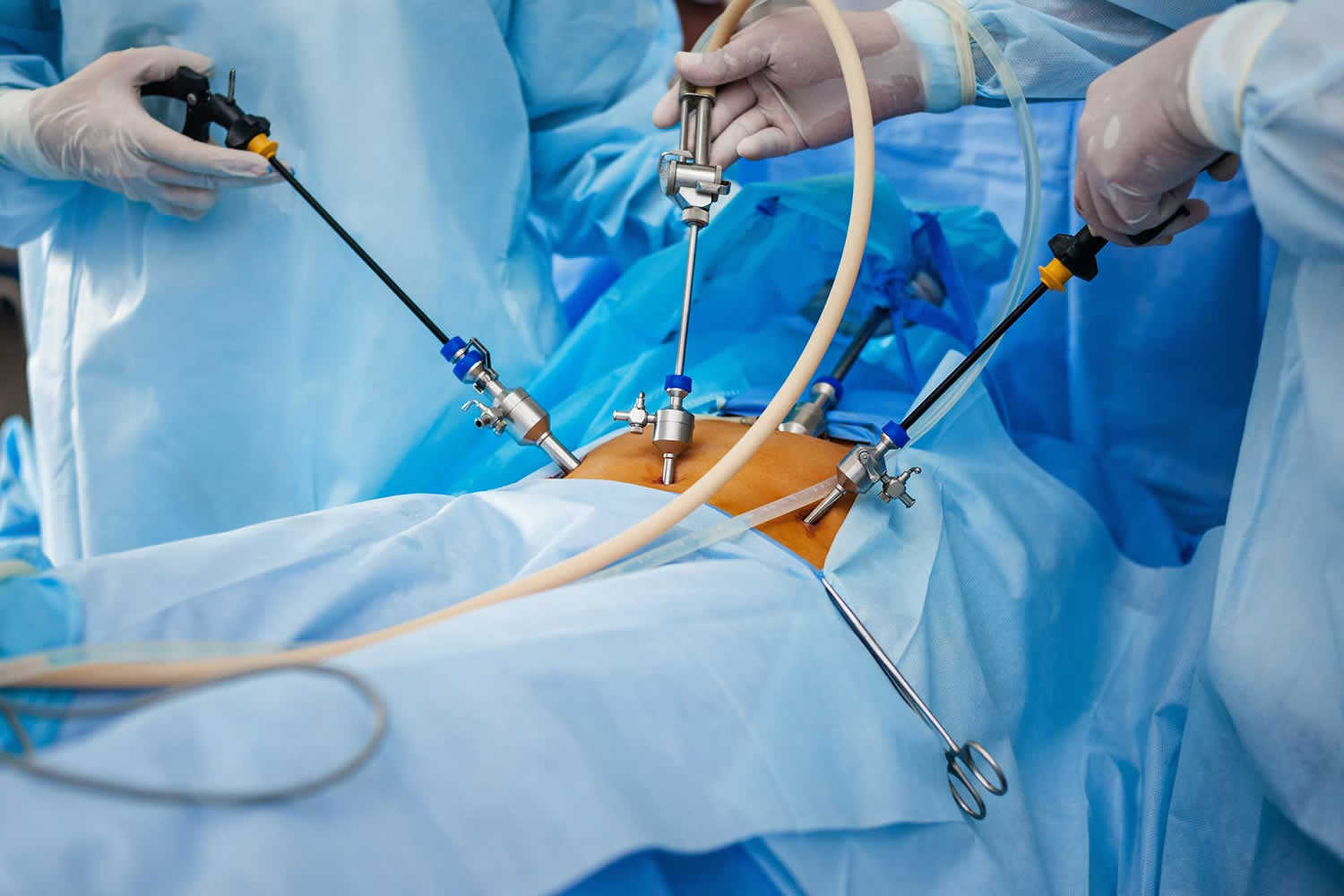
Laparoscopic surgery, also known as minimally invasive surgery (MIS), is a modern surgical technique where operations are performed through small incisions using a camera and specialized instruments. This advanced approach reduces recovery time, minimizes scarring, and lowers the risk of complications compared to traditional open surgery. It is a preferred method for diagnosing and treating various medical conditions across multiple specialties, including gynecology, urology, and general surgery. Patients undergoing Laparoscopic Surgery in Dubai benefit from cutting-edge medical technology and experienced specialists who offer personalized care tailored to individual needs.
Understanding Laparoscopic Surgery
Laparoscopic surgery involves inserting a laparoscope—a thin, flexible tube with a high-resolution camera—through a small incision. This camera provides a clear, magnified view of the internal organs, allowing surgeons to perform precise operations without making large cuts.
This surgical method is increasingly used for a wide range of conditions due to its effectiveness and patient-friendly outcomes. Below, we explore the specific medical conditions that typically require laparoscopic intervention.
Common Conditions Treated with Laparoscopic Surgery
Laparoscopic surgery is suitable for various medical conditions affecting the abdomen, pelvis, and other regions. Here are some of the most common conditions where this technique is applied:
| Condition | Description | Laparoscopic Procedure |
|---|---|---|
| Gallbladder Disease | Inflammation or gallstones causing pain and digestive issues | Laparoscopic Cholecystectomy |
| Appendicitis | Infection or inflammation of the appendix | Laparoscopic Appendectomy |
| Hernia | Protrusion of tissue through a weak spot in the muscle wall | Laparoscopic Hernia Repair |
| Endometriosis | Abnormal growth of uterine tissue outside the uterus | Laparoscopic Excision or Ablation |
| Ovarian Cysts | Fluid-filled sacs on the ovaries | Laparoscopic Ovarian Cystectomy |
| Gastroesophageal Reflux Disease | Severe acid reflux causing esophageal damage | Laparoscopic Fundoplication |
| Colorectal Cancer | Malignant tumors in the colon or rectum | Laparoscopic Colectomy |
| Ectopic Pregnancy | Pregnancy outside the uterus | Laparoscopic Salpingectomy or Salpingostomy |
| Liver Biopsy | Sampling of liver tissue for diagnostic purposes | Laparoscopic Liver Biopsy |
| Pelvic Adhesions | Scar tissue causing pain and organ dysfunction | Laparoscopic Adhesiolysis |
Detailed Overview of Conditions Requiring Surgery
Gallbladder Disease
Gallbladder disease, including gallstones and inflammation (cholecystitis), is a common reason for laparoscopic surgery. Symptoms may include severe abdominal pain, nausea, and digestive issues. Laparoscopic cholecystectomy is the standard procedure for removing the gallbladder, offering patients quicker recovery and less post-operative discomfort.
Appendicitis
Acute appendicitis requires prompt surgical intervention to prevent rupture. Laparoscopic appendectomy is a minimally invasive method that allows for the rapid removal of the inflamed appendix. This technique reduces post-operative pain and accelerates healing compared to open surgery.
Hernia
Hernias occur when tissues push through weak spots in the abdominal wall, leading to pain and potential complications. Laparoscopic hernia repair involves placing a mesh over the affected area to reinforce the muscle wall, offering reduced post-surgical pain and a quicker return to normal activities.
Endometriosis
Endometriosis involves the abnormal growth of endometrial tissue outside the uterus, causing pelvic pain and fertility issues. Laparoscopy is both diagnostic and therapeutic, allowing for the removal or ablation of the tissue to relieve symptoms and improve reproductive health.
Ovarian Cysts
Large or symptomatic ovarian cysts may require surgical removal. Laparoscopic ovarian cystectomy enables precise removal while preserving ovarian function. This procedure is less invasive, resulting in minimal scarring and faster recovery.
Gastroesophageal Reflux Disease (GERD)
Patients with severe GERD who do not respond to medication may benefit from laparoscopic fundoplication. This surgery strengthens the lower esophageal sphincter to prevent acid reflux, significantly improving quality of life and reducing chronic symptoms.
Colorectal Cancer
Early-stage colorectal cancer is often treated through laparoscopic colectomy. This procedure removes the affected section of the colon while preserving bowel function. It offers a less invasive option with improved post-operative outcomes compared to traditional open surgery.
Ectopic Pregnancy
An ectopic pregnancy occurs when a fertilized egg implants outside the uterus, typically in a fallopian tube. Laparoscopic surgery is the preferred method for managing this life-threatening condition, as it allows precise removal while minimizing damage to reproductive organs.
Liver Biopsy
When liver disease is suspected, a laparoscopic liver biopsy can provide crucial diagnostic information. This minimally invasive technique reduces the risk of complications and provides a clear view for accurate tissue sampling.
Pelvic Adhesions
Scar tissue from previous surgeries or infections can cause chronic pelvic pain and organ dysfunction. Laparoscopic adhesiolysis is performed to remove these adhesions, restoring normal organ function and alleviating discomfort.
Advantages:
Laparoscopic surgery offers several benefits over conventional open surgery, making it a preferred option for many conditions. Some of the key advantages include:
| Benefit | Description |
| Smaller Incisions | Reduces scarring and post-surgical pain |
| Faster Recovery | Shortens hospital stays and recovery periods |
| Reduced Risk of Infection | Minimizes exposure to external contaminants |
| Less Blood Loss | Limits intraoperative bleeding |
| Improved Precision | Enhanced visualization for complex procedures |
| Lower Post-Operative Pain | Less trauma to tissues and nerves |
When Is Laparoscopic Surgery Not Suitable?
While laparoscopic surgery is advantageous, it may not be appropriate for all patients or conditions. Contraindications include:
- Severe Obesity – May hinder access and visibility.
- Extensive Abdominal Scarring – Previous surgeries may make the procedure challenging.
- Severe Cardiopulmonary Conditions – These may pose risks during anesthesia and pneumoperitoneum.
- Uncontrolled Bleeding Disorders – Increases the risk of hemorrhage.
Conclusion:
Laparoscopic surgery has transformed the landscape of modern medicine, offering a minimally invasive solution for diagnosing and treating a variety of conditions. From gallbladder removal to complex oncological procedures, this advanced technique provides significant advantages, including faster recovery, minimal scarring, and reduced post-operative pain. As technology advances, laparoscopic surgery continues to expand its reach, improving patient outcomes and quality of life.