In our increasingly digital world, protecting our personal and professional information has never been more important. Enter biometric authentication—a cutting-edge technology that promises unmatched security. But what exactly is biometric authentication, and why is it becoming the go-to method for keeping our digital lives safe? Let’s break it down.
What is Biometric Authentication?
Biometric authentication is a way to verify someone’s identity using their unique biological traits. Unlike traditional methods like passwords or PINs, biometric systems rely on characteristics that are nearly impossible to replicate. These include fingerprints, facial features, iris patterns, voice recognition, and even the way a person types or walks.
Types of Biometric Authentication
- Fingerprint Recognition: Scans the unique patterns on a fingertip.
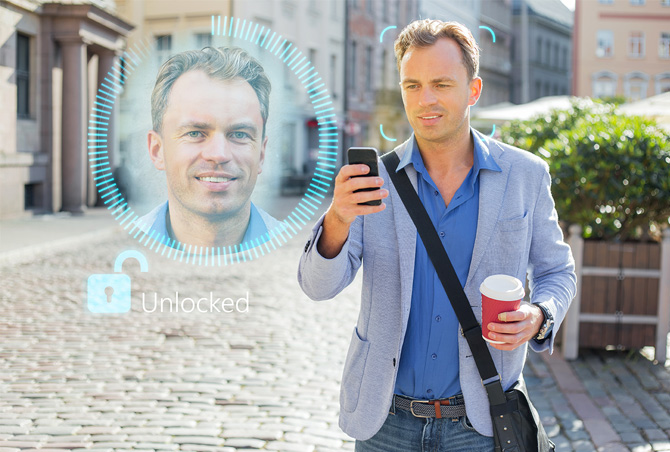
- Facial Recognition: Analyzes features like the distance between the eyes and the shape of the nose.
- Iris Recognition: Looks at the intricate patterns in the colored part of the eye.
- Voice Recognition: Studies the unique qualities of a person’s voice.
- Behavioral Biometrics: Observes patterns in actions like typing rhythm or smartphone swiping.
How Biometric Authentication Works
Biometric systems work in three main stages: enrollment, storage, and matching.
- Enrollment: First, a person’s biometric data is captured using a sensor. This data is processed to create a unique biometric template, which is securely stored.
- Storage: The biometric template is kept in a secure, often encrypted, location to prevent unauthorized access.
- Matching: When someone tries to authenticate, new biometric data is captured and compared to the stored template. If it matches, access is granted.
Why Choose Biometric Authentication?
Enhanced Security
Biometric authentication is incredibly secure because it’s based on unique biological traits that are hard to duplicate. Unlike passwords, which can be guessed or hacked, biometric data is a reliable and robust form of identification.
Convenience and Speed
Biometric systems make the authentication process quick and easy. No more remembering complex passwords or carrying physical tokens. A quick touch, glance, or voice command can verify your identity instantly.
Reduced Fraud and Identity Theft
Since biometric authentication relies on unique traits, it significantly reduces the risk of fraud and identity theft. Traditional methods are vulnerable to phishing and social engineering attacks, but biometrics provide a higher level of assurance.
Where is Biometric Authentication Used?
Biometric authentication is being adopted across various sectors due to its reliability and efficiency.
Smartphones and Devices
Modern smartphones and laptops often come with biometric sensors like fingerprint scanners and facial recognition cameras. These features provide secure and convenient access to your devices.
Financial Services
Banks and financial institutions are using biometric authentication to enhance security for online banking, mobile payments, and ATM access. This ensures transactions are conducted by legitimate account holders, reducing fraud.
Healthcare
In healthcare, biometric systems secure patient records, ensure accurate patient identification, and prevent medical identity theft. This helps maintain the confidentiality of sensitive health information.
Government and Law Enforcement
Governments use biometric authentication for national identification programs, border control, and law enforcement. Biometric passports, for example, include facial and fingerprint data to enhance travel security and streamline border crossings.
Challenges and Considerations
While biometric authentication offers many benefits, it also presents some challenges.
Privacy Concerns
Collecting and storing biometric data raises significant privacy issues. Unauthorized access or misuse of this data can lead to severe privacy violations. Robust encryption and security measures are crucial to protect biometric information.
False Positives and Negatives
No system is perfect. There’s always a risk of false positives (incorrect matches) and false negatives (missed matches). Continuous improvements in technology are essential to minimize these errors.
Cost and Infrastructure
Implementing biometric systems can be expensive, requiring significant investment in hardware, software, and infrastructure. Organizations need to weigh these costs against the potential security benefits.
The Future of Biometric Authentication
As technology advances, biometric authentication will continue to evolve, offering even more sophisticated and secure solutions. Innovations like multi-modal biometrics (combining multiple traits for verification) and artificial intelligence are set to make biometric systems even more effective.
In conclusion, biometric authentication represents a significant leap forward in securing our digital identities. Its unique combination of security, convenience, and efficiency makes it an ideal solution for many applications. Embracing biometric authentication can provide the unmatched security needed to protect our personal and professional lives in today’s digital world.