Multi-factor authentication (MFA) is no longer just a “nice-to-have” feature; it’s quickly becoming a necessity for protecting your digital life. But MFA is evolving with the times, adopting new technology and techniques to keep us safe. Let’s explore some of the biggest trends driving the future of MFA:
1. The Move Toward Passwordless Authentication
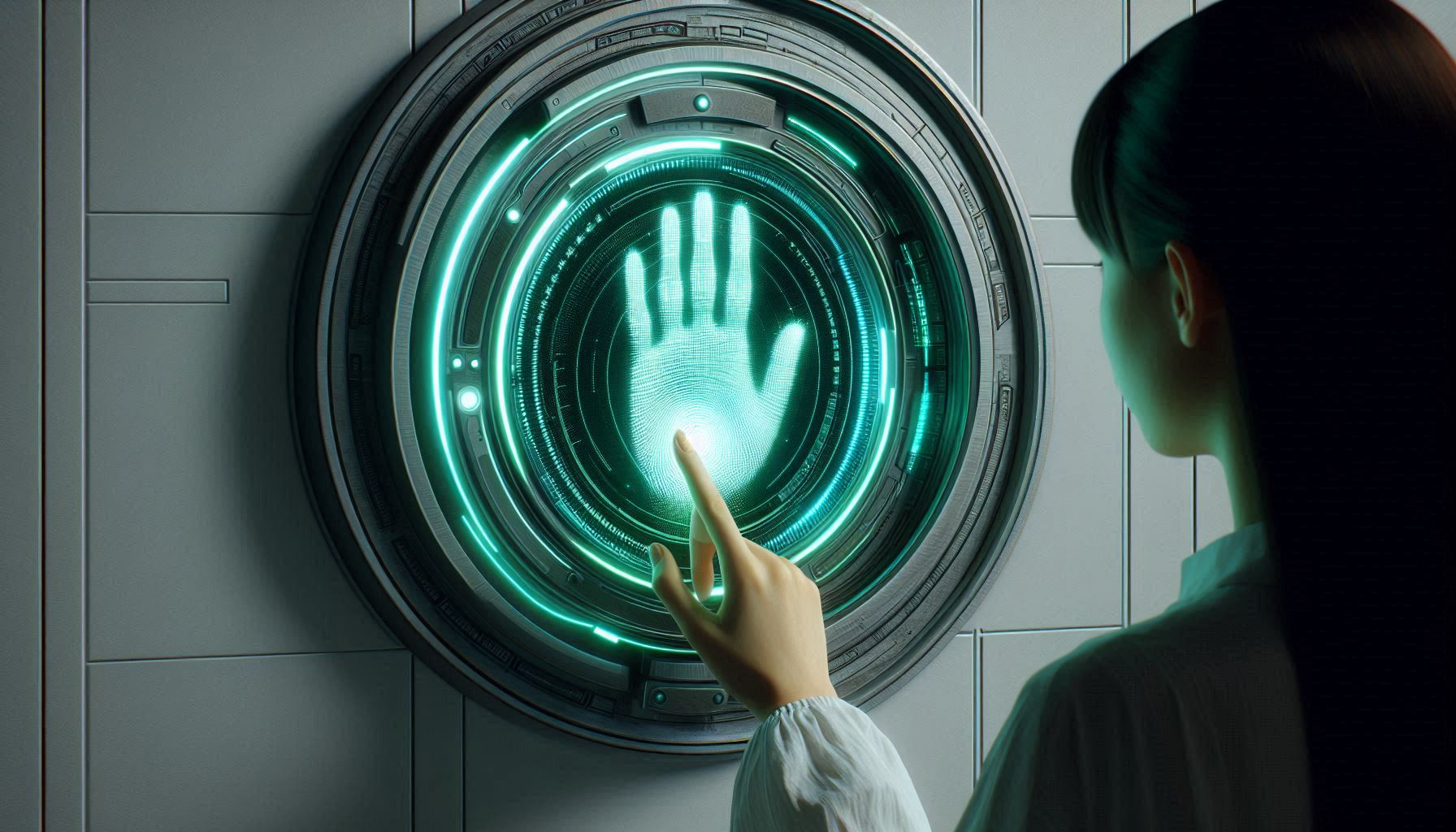
Passwords are a pain, right? They’re easy to forget and even easier for hackers to crack. That’s why many companies are going passwordless. Instead of juggling passwords, users can now rely on biometrics (like fingerprints or face scans), security keys, or even magic links that let you log in without typing a single character. It’s faster, more secure, and way less frustrating.
2. Adaptive Authentication for Smarter Security
Not every login attempt is created equal. With adaptive authentication, security measures are customized based on the situation. For example, if you’re trying to log in from a new device or location, the system may ask for extra verification. But if it’s from your usual phone and in your typical time zone, it may let you in with minimal fuss. The goal is to make security stronger where needed without adding unnecessary steps when everything looks normal.
3. MFA is Spreading Everywhere
What used to be reserved for sensitive stuff like banking is now being used for just about everything—email, social media, cloud storage, and even gaming. With more online services implementing MFA, hackers are finding it harder to compromise accounts, which raises the overall bar for security across the internet.
4. Biometrics: The New Normal
Biometric authentication—like fingerprint and face recognition—are quickly becoming a key part of MFA. As the technology improves and becomes more accurate, more people are adopting it as a second or even primary authentication method. Biometrics are unique to you, making it harder for attackers to break in, and they’re super easy to use.
5. MFA for IoT Devices
We’re surrounded by smart devices these days, from smart speakers to smart thermostats, and all those gadgets need protection too. MFA is starting to extend into the world of Internet of Things (IoT) devices. While still in the early stages, it’s a growing trend that’s critical as more of our everyday items get connected to the web.
6. Push Notifications as an MFA Tool
Instead of using text messages to send codes (which can be intercepted), more services are switching to push notifications. These notifications pop up on your phone and ask you to confirm whether you’re trying to log in. It’s faster and more secure than traditional SMS codes, making it a go-to for many platforms.
7. Hardware Tokens Are Making a Comeback
With the rise of sophisticated cyber threats, some people are returning to the basics—like hardware tokens. Devices like YubiKey provide a physical layer of security that’s nearly impossible to hack remotely. They’re especially popular for people or organizations that need extra-tight security, like IT professionals or finance companies.
8. Continuous Authentication is On the Rise
Why only authenticate once at login? Continuous authentication monitors your behavior throughout your session, keeping an eye on how you type, move the mouse, or interact with the system. If anything seems off, the system can ask for additional authentication. It’s like having a security guard who’s always watching for suspicious activity, not just checking IDs at the door.
9. Blockchain-Based Authentication
Though still in its early stages, blockchain technology is beginning to find its way into Multi-factor authentication. By decentralizing the storage of authentication data, blockchain can reduce the risk of large-scale breaches. It’s still a developing trend, but as blockchain tech grows, we may see it become a bigger part of identity verification.
Wrapping Up
MFA is constantly evolving, adapting to meet the challenges of today’s cyber threats. From passwordless authentication to biometrics and continuous monitoring, the future of MFA is focused on boosting security while making it easier for users. As we move deeper into the digital age, staying ahead of these trends will be key to keeping your accounts and data safe.