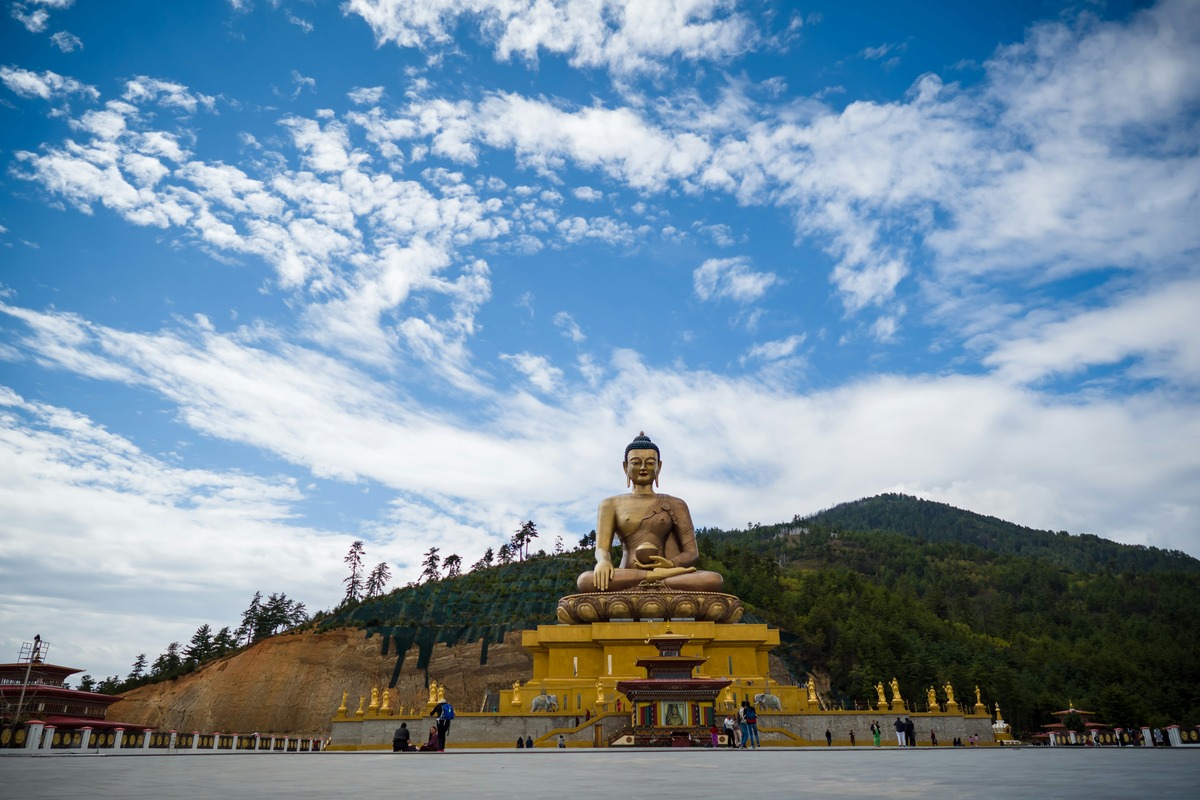
Nestled in the Eastern Himalayas, Bhutan is often referred to as the “Land of Happiness.” This small kingdom, known for its stunning landscapes and rich cultural heritage, has garnered global attention for its unique approach to development and well-being. But what exactly makes Bhutan the Land of Happiness? Let’s explore the reasons behind this fascinating title. If you’re planning a Bhutan tour package from Kolkata, understanding these elements will enhance your appreciation of this magical place.
1. Gross National Happiness (GNH)
At the heart of Bhutan’s reputation as the Land of Happiness is its development philosophy: Gross National Happiness (GNH). Introduced by the Fourth King, Jigme Singye Wangchuck, in the 1970s, GNH emphasizes the importance of holistic well-being over material wealth. Unlike Gross Domestic Product (GDP), which measures economic performance, GNH focuses on the overall happiness and well-being of the population.
GNH is built on four pillars:
- Sustainable and equitable socio-economic development
- Preservation and promotion of cultural values
- Conservation of the natural environment
- Good governance
These pillars are further broken down into nine domains, including psychological well-being, health, education, and time use. This comprehensive approach ensures that the development process is inclusive and benefits all sections of society.
2. A Deep Connection to Nature
Bhutan’s commitment to environmental conservation is unparalleled. The country is not only carbon neutral but also carbon negative, meaning it absorbs more carbon dioxide than it produces. This is achieved through stringent environmental policies and a deep respect for nature ingrained in Bhutanese culture.
Over 70% of Bhutan’s land is covered in forests, and its constitution mandates that a minimum of 60% of the country must remain forested for all future generations. This focus on sustainability helps preserve the natural beauty of Bhutan, providing a serene and pollution-free environment that significantly contributes to the happiness of its people.
3. Rich Cultural Heritage
Bhutan’s rich cultural heritage plays a significant role in its national happiness. The country has managed to preserve its traditional culture and values in the face of modernization. Festivals, known as Tshechus, are an integral part of Bhutanese life and are celebrated with great fervor across the country. These festivals are not only a time for religious reflection but also for socializing and reinforcing community bonds.
The Bhutanese people take great pride in their unique cultural identity, which is evident in their traditional dress, architecture, and daily practices. This strong sense of identity and community fosters a sense of belonging and contributes to overall well-being.
4. A Peaceful and Safe Society
Bhutan is known for its peaceful and safe society. The crime rate is low, and the country enjoys political stability. This sense of security allows the Bhutanese people to live without fear, contributing to their overall sense of happiness. The government’s focus on good governance and justice ensures that the needs and rights of the people are respected and upheld.
5. Spirituality and Mindfulness
Bhutanese society is deeply rooted in spirituality and mindfulness, primarily influenced by Buddhism. The teachings of Buddhism emphasize the importance of compassion, contentment, and mindfulness, which are key components of happiness. Monasteries and meditation centers are integral to Bhutanese life, offering spaces for reflection and spiritual growth.
The practice of mindfulness and meditation is encouraged from a young age, helping individuals develop a positive outlook on life. This spiritual foundation provides the Bhutanese people with inner peace and resilience in the face of challenges.
6. Community and Social Bonds
In Bhutan, community and social bonds are highly valued. The culture of cooperation and mutual support is evident in daily life, whether in agricultural practices, community projects, or celebrations. This strong sense of community ensures that no one feels isolated or unsupported, fostering a sense of belonging and security.
Traditional values like respect for elders, hospitality, and communal harmony are deeply ingrained in Bhutanese society. These values strengthen social ties and contribute to the overall happiness of the population.
7. Work-Life Balance
Bhutan places a strong emphasis on work-life balance, which is crucial for mental and emotional well-being. The government and employers recognize the importance of leisure time and encourage practices that promote a balanced lifestyle. Public holidays, festival breaks, and flexible working hours allow individuals to spend quality time with their families and communities.
This balanced approach to work and life reduces stress and burnout, enabling people to enjoy a higher quality of life and greater happiness.
Conclusion
Bhutan’s designation as the Land of Happiness is no accident. It is the result of deliberate policies and cultural practices that prioritize the well-being of its people over mere economic growth. From its unique Gross National Happiness philosophy to its deep connection with nature, rich cultural heritage, and emphasis on spirituality and community, Bhutan offers a model of development that many other nations can learn from.
Visiting Bhutan provides a glimpse into a way of life where happiness and well-being take center stage. It is a place where the pursuit of happiness is not just an individual endeavor but a collective mission supported by the entire society. Bhutan truly exemplifies what it means to live a happy and fulfilling life, making it deserving of the title, the Land of Happiness.