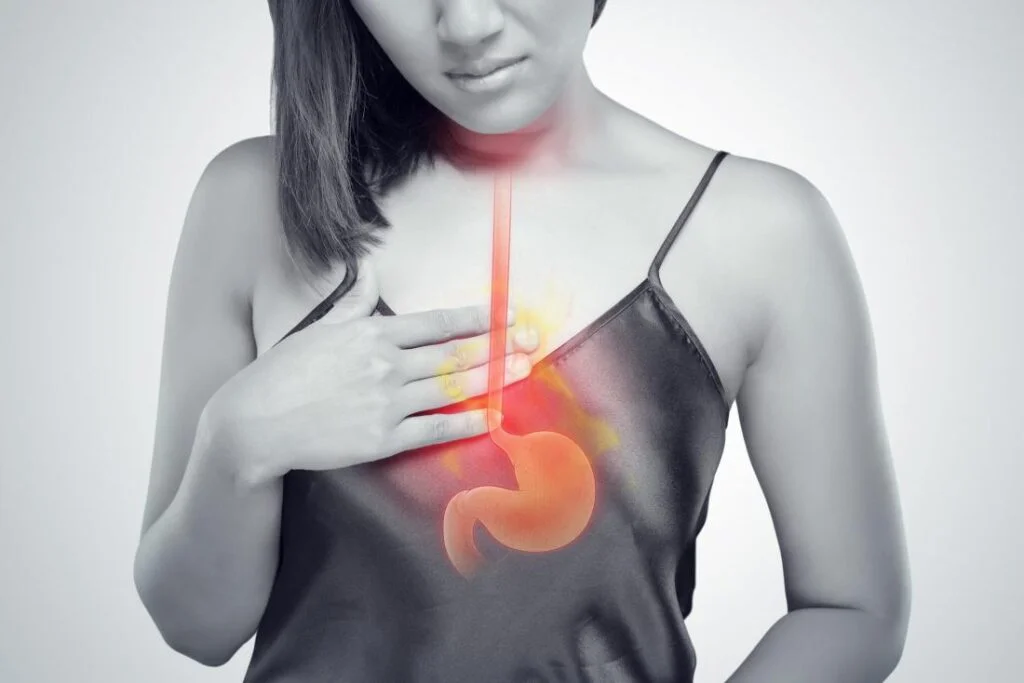
If food regularly feels as though it sticks in your throat or chest, you are not imagining it. This sensation, often described as difficulty swallowing, can disrupt meals, trigger anxiety, and reduce quality of life. Many people assume stress or eating too quickly causes the problem, yet digestive and muscular conditions often sit behind it. I want to explain why this happens, which lesser-known causes deserve attention, and how you can support your symptoms naturally while seeking proper care.
I write this from the combined perspective of a medical professional with clinical experience in digestive disorders and a content strategist who has worked with patient education for over a decade. My goal is simple: help you recognise warning signs early, understand possible causes, and feel more confident about the next steps.
What does “food getting stuck” actually mean?
When food seems to lodge in the throat, neck, or chest, doctors call this dysphagia. Dysphagia does not always involve choking. You may still swallow, yet feel pressure, discomfort, or delayed movement of food. Some people notice it only with solid foods such as bread or meat, while others struggle with both solids and liquids.
This symptom can involve:
- The throat (oropharyngeal dysphagia) – difficulty starting a swallow
- The food pipe (oesophageal dysphagia) – food moves slowly or stops on the way to the stomach
The second type links most often with digestive causes, and that is where hidden conditions frequently go unnoticed.
Common digestive causes you may already know
Before moving to lesser-known issues, it helps to mention the usual suspects. Many people experience food sticking due to:
- Acid reflux (GORD), which irritates and narrows the oesophagus
- Oesophageal inflammation, often linked to reflux or medication use
- Oesophageal strictures, where scarring causes narrowing
These conditions appear often in clinics, and doctors usually check for them first. However, if tests return “normal” yet symptoms persist, other causes deserve attention.
Lesser-known digestive causes you should not ignore
1. Achalasia – a rare but serious motility disorder
Achalasia affects how the oesophagus moves food into the stomach. In this condition, the lower oesophageal sphincter fails to relax properly, and the muscles above lose their coordinated contractions. As a result, food collects in the chest rather than passing smoothly into the stomach.
You may notice:
- Food sticking after every meal
- Regurgitation of undigested food, especially at night
- Chest discomfort that mimics heart pain
- Unexplained weight loss
Achalasia often develops slowly, which means many people adapt their eating habits without realising something is wrong. Doctors diagnose it using tests such as oesophageal manometry and barium swallow studies.
Alongside medical management, many patients ask about symptom support at home. Some explore Natural Remedy for Achalasia approaches to complement clinical care, focusing on gentle dietary changes and relaxation of swallowing muscles.
2. Oesophageal spasms
Oesophageal spasms cause irregular or forceful muscle contractions. These spasms can interrupt the normal flow of food, leading to sudden chest pain or the sensation that food has stopped halfway.
Triggers often include:
- Very hot or cold foods
- Stress or anxiety
- Acid reflux
Spasms can come and go, which makes diagnosis challenging. Keeping a symptom diary often helps doctors identify patterns and recommend suitable treatment.
3. Eosinophilic oesophagitis (EoE)
EoE is an inflammatory condition linked to allergies. White blood cells called eosinophils build up in the oesophagus, causing swelling and stiffness. Over time, this can narrow the passage and trap food.
Clues that suggest EoE include:
- Difficulty swallowing from a young age
- Food impactions that require medical removal
- A history of asthma, eczema, or food allergies
Dietary elimination under professional guidance plays a key role in managing this condition.
4. Silent reflux (laryngopharyngeal reflux)
Silent reflux does not always cause heartburn. Instead, stomach acid reaches the throat and voice box, leading to irritation that affects swallowing.
You may experience:
- A lump-in-the-throat sensation
- Frequent throat clearing
- Hoarseness
- Difficulty swallowing without obvious pain
Because symptoms differ from classic reflux, silent reflux often goes untreated for years.
5. Enlarged thyroid or neck structures
Sometimes the problem does not lie within the oesophagus itself. An enlarged thyroid gland or other neck masses can press on the food pipe, creating the feeling that food gets stuck. Imaging studies help identify this cause.
Why early attention matters
Ignoring swallowing difficulties can lead to complications such as:
- Poor nutrition and dehydration
- Weight loss
- Aspiration, where food enters the lungs
- Anxiety around eating
Early assessment improves outcomes, particularly for conditions like achalasia, where delayed treatment can worsen oesophageal damage.
How doctors investigate swallowing problems
Healthcare professionals usually follow a step-by-step approach:
- Detailed history – when symptoms occur, which foods cause trouble
- Endoscopy – visual inspection of the oesophagus
- Barium swallow – X-ray imaging during swallowing
- Manometry – measurement of oesophageal muscle function
These tests help distinguish between structural blockages and muscle coordination issues.
Practical steps you can take today
While medical evaluation remains essential, you can support your comfort and safety with simple measures:
- Eat slowly and chew thoroughly
- Choose softer foods if solids cause trouble
- Sit upright during and after meals
- Take small sips of water between bites
- Avoid late-night eating if reflux plays a role
These steps do not replace treatment, yet they often reduce daily discomfort.
Dietary choices that support smoother swallowing
Certain foods pass more easily through the oesophagus:
- Soups and stews
- Porridge and yoghurt
- Mashed vegetables
- Smooth nut butters
On the other hand, dry bread, tough meats, and sticky foods tend to worsen symptoms. Keeping meals moist and well-prepared makes a noticeable difference for many people.
Natural symptom-support options worth discussing
Many patients ask about non-drug options to support digestion and swallowing comfort. Gentle approaches focus on reducing irritation and supporting muscle relaxation.
Some people explore Home Remedies for Achalasia that include mindful eating, warm fluids before meals, and stress reduction practices. While these measures do not correct the underlying muscle problem, they may ease daily symptoms alongside medical care.
Others look into nutritional support using carefully selected supplements. When chosen responsibly, pure health dietary supplements may help address nutrient gaps caused by restricted eating, though they should never replace prescribed treatment.
Always discuss supplements and natural approaches with a healthcare professional, especially if you take medication or have a diagnosed condition.
Emotional impact: the side many people do not talk about
Difficulty swallowing often leads to social withdrawal. Meals become stressful, dining out feels risky, and fear of choking can dominate daily life. Acknowledging this emotional burden matters.
If anxiety around eating grows, speaking with a healthcare provider or counsellor can help. Support groups, whether in person or online, also provide reassurance that you are not alone.
When to seek urgent medical help
Seek immediate care if you experience:
- Sudden inability to swallow
- Food completely stuck in the chest
- Severe chest pain
- Vomiting blood or black material
These signs require prompt assessment.
Key takeaways for patients and caregivers
Food sticking in the throat or chest often signals an underlying digestive or muscular issue. While reflux and inflammation account for many cases, lesser-known conditions such as achalasia, oesophageal spasms, and allergic inflammation deserve attention.
Early evaluation, thoughtful dietary adjustments, and supportive measures can significantly improve comfort and safety. You deserve to eat without fear or discomfort, and help is available.
If you recognise these symptoms in yourself or someone you care for, do not dismiss them as minor. Listening to your body and acting early protects long-term health and restores confidence at the table.