Have you ever wondered why some businesses thrive while others struggle? The ability to concentrate on a certain audience rather than attempting to please everyone is frequently the key.Let’s take a moment to imagine this scenario: Two coffee shops open on the same street. One offers a generic selection of coffee and snacks, while the other focuses exclusively on organic, fair-trade coffee for health-conscious consumers. Over time, the second shop attracts a dedicated following of customers who appreciate the quality and ethics behind the brand. The first shop, however, struggles to stand out among larger competitors.This is the power of niche marketing stratergy. It allows businesses to create a strong identity, connect deeply with customers, and build a brand that stands the test of time.
What Is Niche Marketing?
Instead of competing with big brands in a broad market, businesses succeed by catering to a smaller, more defined audience.Think of it like a small bookstore specializing in rare and vintage books. Unlike big chains that sell everything, this store attracts passionate readers who are willing to pay more for something unique. When you focus on a niche, you’re not just selling a product but building a community.
The Advantages of Niche Marketing
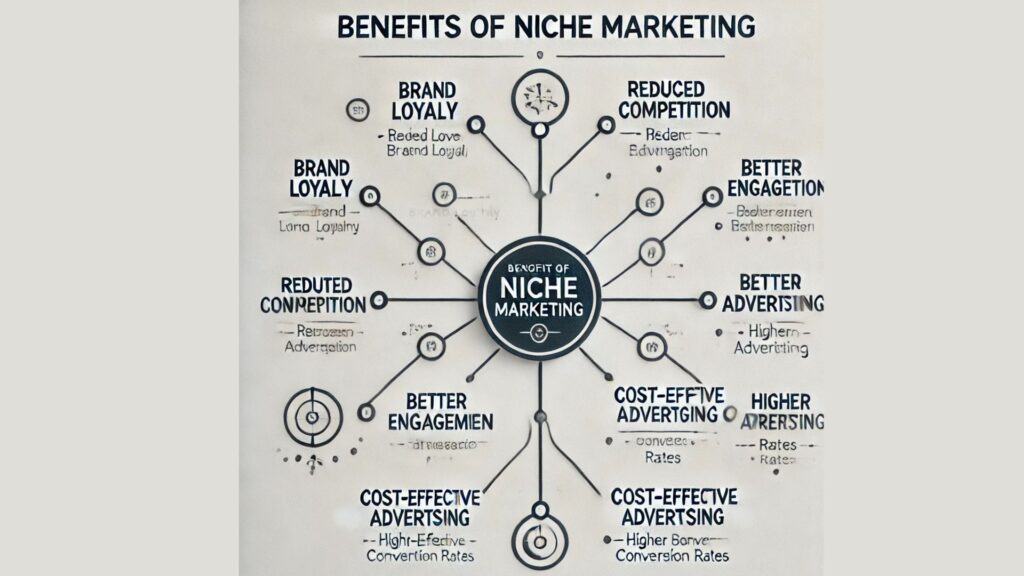
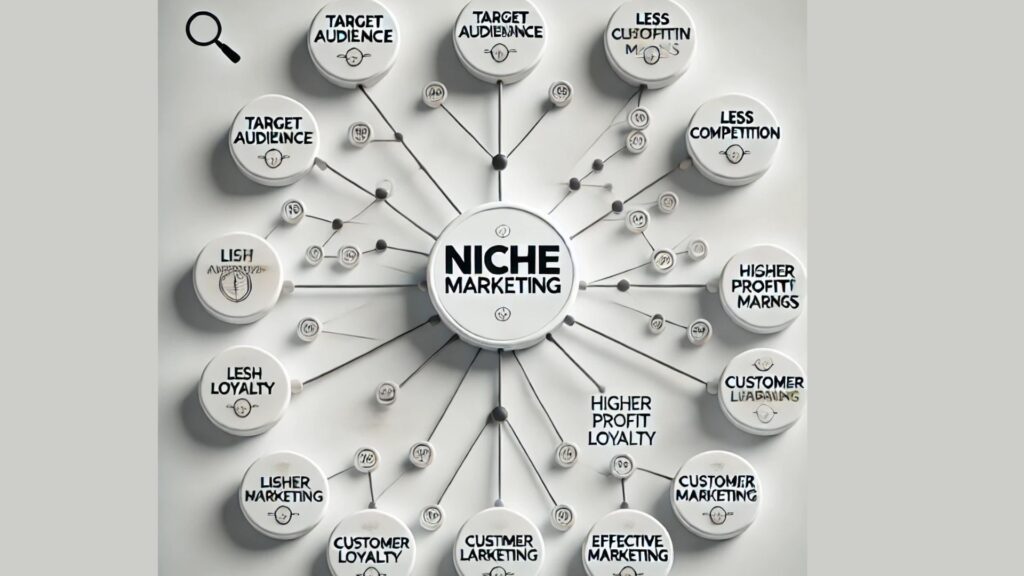
Less Competition, More Visibility
Competing with big brands is tough. But when you carve out a niche, you reduce direct competition and make it easier to get noticed. A startup selling eco-friendly pet products won’t have to battle against large corporations selling all kinds of pet supplies. Instead, it attracts environmentally conscious pet owners specifically looking for sustainable options.
Better Customer Loyalty
People love brands that understand their needs. When a business caters to a specific audience, it creates a more substantial customer bond. For instance, a skincare brand focusing only on sensitive skin can build trust by offering products designed exclusively for that concern. Customers feel valued and are more likely to stick with the brand.
Higher Profit Margins
Niche products often command higher prices because they cater to specific needs that aren’t readily available elsewhere. A handcrafted leather bag from a small artisan shop may cost more than a mass-produced one, but customers who value craftsmanship will gladly pay the premium.
More Effective Marketing
Broad marketing campaigns require huge budgets and still don’t guarantee success. Niche marketing, on the other hand, allows businesses to focus their advertising on a smaller, highly interested audience.
Real-Life Success Stories
The Story of Glossier
Glossier started as a beauty blog before transforming into a multi-million dollar brand by focusing on a straightforward idea—minimalist beauty products that enhance natural skin. Instead of competing with makeup giants, Glossier carved out a niche by targeting young, skincare-conscious consumers who preferred a “no-makeup” look. This approach helped them build a strong, loyal community that drives their success.
Dollar Shave Club’s Disruption
A few major brands once dominated shaving razors, but Dollar Shave Club broke through by addressing a niche problem—expensive razors with unnecessary features. Their direct-to-consumer subscription model and humorous marketing resonated with men tired of overpriced shaving products. The result? They sold their company for $1 billion to Unilever.
How to Find Your Business Niche
Identify Gaps in the Market
Look for problems that existing businesses aren’t solving. Are there customers with specific needs that aren’t being met? Research online forums, social media groups, and customer reviews to find common frustrations.
Focus on Your Passion and Strengths
Running a business is easier when you genuinely care about what you’re selling. If you have a personal interest or expertise in a particular area, that passion will help you stand out.
Test Before You Commit
Before investing heavily, test your idea with a small audience. Launch a basic version of your product, get feedback, and refine it. If there’s demand, you can scale up.
Leverage Social Media and SEO
Since niche businesses target specific audiences, platforms like Instagram, TikTok, and LinkedIn can help reach the right customers. SEO optimization also plays a crucial role—optimizing content for particular keywords can attract organic traffic with high purchase intent.
Overcoming Common Challenges
Challenge: Limited Audience Size
A niche market is smaller, but that doesn’t mean less profit. Instead of focusing on volume, aim for higher engagement and premium pricing.
Challenge: Finding the Right Marketing Channels
Not all marketing channels work for every niche. Experiment with different platforms to see where your audience is most active. For example, a handmade jewelry brand may thrive on Instagram, while a B2B consulting firm finds better success on LinkedIn.
Challenge: Staying Unique
Once a niche business gains traction, competitors will follow. To stay ahead, continuously innovate and listen to customer feedback to improve your offerings.
Niche marketing isn’t about limiting your business—it’s about focusing on the right customers.
If you’re a business owner wondering whether to go broad or narrow, consider this: Would you rather be one of many in a crowded industry or the go-to brand in a specialized market? The answer could determine the future of your success.
FAQs
1.What is niche marketing?
Niche marketing is a strategy that focuses on a specific audience with unique needs rather than targeting a broad market.
2.How do I find a profitable niche for my business?
Research market gaps, consider your interests and expertise, and test your idea with a small audience before scaling.
3.Is niche marketing suitable for small businesses?
Yes, niche marketing helps small businesses stand out and build a loyal customer base with lower competition.
4.Does niche marketing require a big budget?
No, targeted marketing strategies like SEO and social media advertising can be highly cost-effective for niche businesses.
5,Can a niche business expand in the future?
Absolutely! Many successful businesses start with a niche focus and gradually expand their offerings based on customer demand.