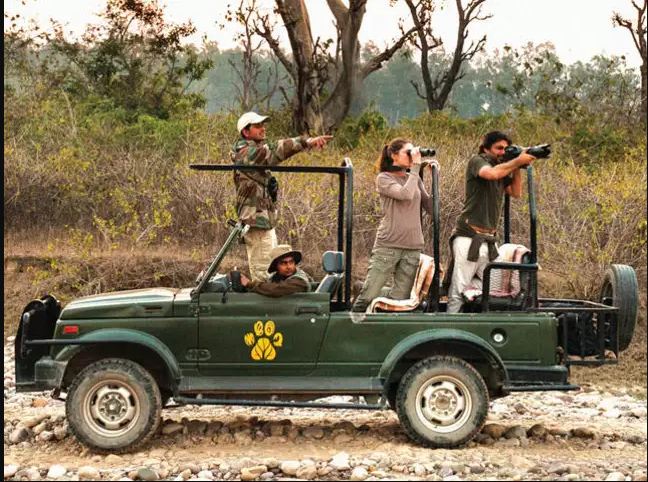
Tadoba Andhari Tiger Reserve, popularly known as Tadoba National Park, is a renowned wildlife sanctuary located in the Chandrapur district of Maharashtra, India. It is one of the oldest and largest national parks in the state and is celebrated for its thriving tiger population, diverse wildlife, and lush, picturesque landscapes. Here’s a detailed exploration of what makes a wildlife safari in Tadoba National Park an unforgettable experience.
A Glimpse into Tadoba’s Rich History
Established in 1955, Tadoba National Park spans an area of 625.4 square kilometers, comprising dense forests, meadows, and lakes. The park is named after the local tribal god “Tadoba” or “Taru,” worshipped by the indigenous people of the region. In 1995, the park was merged with the adjacent Andhari Wildlife Sanctuary to form the Tadoba Andhari Tiger Reserve, covering a total area of 1,727 square kilometers.

The Thrill of Tiger Sightings
One of the main attractions of Tadoba is its thriving tiger population. The park is home to around 88 tigers, making it one of the best places in India for tiger sightings. The thrill of spotting a majestic tiger in its natural habitat is unparalleled. The chances of encountering these magnificent creatures are high, especially during the summer months when they come out to the waterholes to quench their thirst.
Diverse Wildlife and Birdwatching
Tadoba National Park is not just about tigers. It boasts a rich biodiversity, including various species of mammals, birds, reptiles, and insects. Visitors can spot leopards, sloth bears, wild dogs, gaur (Indian bison), sambar deer, spotted deer, and barking deer, among others. The park is also a haven for birdwatchers, with over 195 species of birds, including crested serpent eagles, grey-headed fish eagles, and various species of owls and flycatchers.
Safari Experience: Jeep and Canter Safaris
Exploring Tadoba’s wilderness is best done through jeep and canter safari in Tadoba. These safaris are conducted twice a day, early in the morning and late in the afternoon, offering the best chances to spot wildlife. The park is divided into several zones, each offering unique experiences and sightings. The popular zones include Moharli, Kolara, and Navegaon. Professional guides and drivers accompany visitors, providing insights into the park’s flora and fauna and ensuring a safe and enriching experience.
Flora and Scenic Landscapes
Tadoba is characterized by a mix of tropical dry deciduous forests and bamboo thickets. The landscape is adorned with teak, mahua, salai, and tendu trees, interspersed with patches of grasslands and wetlands. The serene Tadoba Lake and the Andhari River add to the park’s scenic beauty, providing essential water sources for the wildlife.
Best Time to Visit
The best time to visit Tadoba National Park is from October to June. The park remains closed during the monsoon season from July to September. The summer months of April to June are particularly good for tiger sightings as animals gather around water sources. The winter months from November to February offer pleasant weather and are ideal for birdwatching and exploring the park’s diverse flora.
Accommodation and Amenities
There are several accommodation options available near Tadoba National Park, ranging from luxury resorts to budget lodges. These establishments offer comfortable stays with modern amenities and often arrange safari bookings and guided tours. Some popular options include Svasara Jungle Lodge, Tiger Trails Jungle Lodge, and Irai Safari Retreat.
Conservation Efforts and Responsible Tourism
Tadoba National Park is actively involved in wildlife conservation and research. The park authorities and various NGOs work together to protect the habitat and ensure the well-being of its inhabitants. Responsible tourism practices are encouraged, including limiting the number of vehicles during safaris, following designated routes, and maintaining a safe distance from wildlife.
Conclusion
A wildlife safari in Tadoba National Park is a thrilling and enriching experience for nature enthusiasts, wildlife photographers, and adventure seekers. The park’s diverse wildlife, scenic landscapes, and conservation efforts make it a must-visit destination for anyone looking to connect with nature and witness the majestic beauty of India’s wildlife.