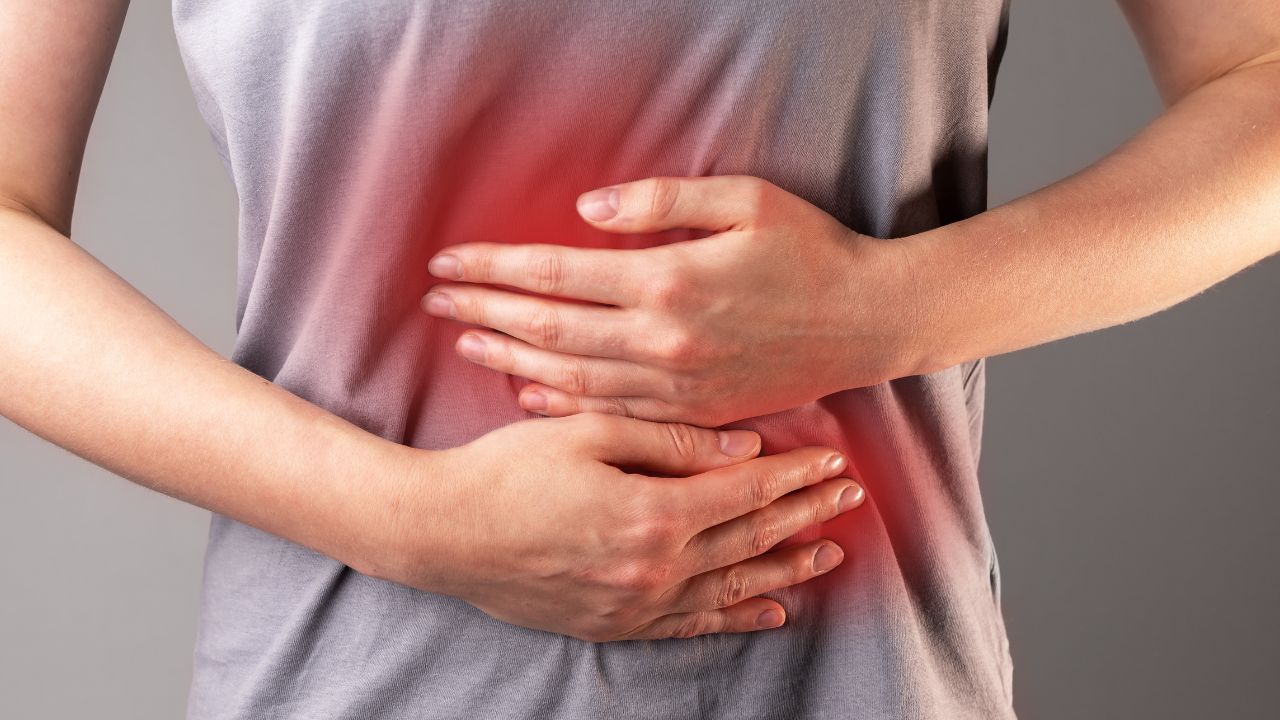
Gastrointestinal problems are common and can range from mild discomfort to severe health conditions. The digestive system is complex, and it can affect your overall well-being when something goes wrong. Recognizing the early signs of gastrointestinal problems is crucial for preventing complications and seeking timely treatment. This blog will explore the symptoms, potential causes, and when to seek medical advice to protect your digestive health.
Understanding Gastrointestinal Problems
Gastrointestinal (GI) problems encompass various disorders affecting the digestive tract, including the oesophagus, stomach, intestines, liver, pancreas, and gallbladder. These issues can lead to symptoms like pain, bloating, nausea, and changes in bowel habits. Early detection and intervention are crucial to managing these conditions effectively.
Common Early Signs of Gastrointestinal Problems
Recognizing the early signs of gastrointestinal problems can help you seek treatment before the condition worsens. Here are some common symptoms to watch for:
Persistent Abdominal Pain
Abdominal pain is a common sign of gastrointestinal problems. It can be dull, sharp, crampy, or burning and may occur in different abdomen areas. While occasional stomach pain can result from overeating or indigestion, persistent or severe pain may indicate a more serious issue.
Possible causes of abdominal pain include:
- Gastroesophageal reflux disease (GERD): Acid from the stomach irritates the oesophagus, causing pain and discomfort.
- Peptic ulcers: Sores that develop on the stomach lining or small intestine.
- Gallstones: Hardened deposits in the gallbladder that can cause intense pain, particularly after eating fatty foods.
Key Point: Persistent abdominal pain should not be ignored. If you experience severe or recurring pain, consult a healthcare provider to determine the underlying cause.
Bloating and Gas
Bloating and gas are common symptoms of gastrointestinal problems. Bloating occurs when the abdomen feels full and tight, often due to gas buildup in the intestines. While these symptoms are usually harmless, they can indicate underlying digestive issues if they occur frequently or are accompanied by other symptoms.
Possible causes of bloating and gas include:
- Irritable bowel syndrome (IBS): A chronic condition that affects the large intestine, leading to symptoms like bloating, gas, and changes in bowel habits.
- Celiac disease is an autoimmune disorder where ingesting gluten leads to damage in the small intestine.
- Lactose intolerance: The inability to digest lactose, a sugar in dairy products, leads to bloating and gas.
Key Point: Keep a food diary to track what you eat and when you experience bloating or gas. This can help identify potential triggers and guide dietary adjustments.
Nausea and Vomiting
Nausea and vomiting are common indicators of gastrointestinal problems and can occur for various reasons. These symptoms may be acute, such as from food poisoning, or chronic, indicating a more serious underlying condition.
Possible causes of nausea and vomiting include:
- Gastroenteritis: Inflammation of the stomach and intestines, often caused by infection.
- Peptic ulcers Can cause nausea and vomiting, especially if the ulcer is bleeding.
- Gastroparesis: A condition where the stomach empties too slowly, leading to nausea, vomiting, and bloating.
Key Point: If nausea and vomiting persist for more than a few days or are accompanied by severe pain or other symptoms, seek medical attention.
Changes in Bowel Habits
Changes in bowel habits, such as diarrhoea, constipation, or stool consistency, can be early signs of gastrointestinal problems. While occasional changes are expected, persistent or severe changes may indicate an underlying issue.
Possible causes of changes in bowel habits include:
- Inflammatory bowel disease (IBD): Includes conditions like Crohn’s disease and ulcerative colitis, which cause chronic inflammation in the digestive tract.
- Irritable bowel syndrome (IBS): A functional disorder that affects the bowel’s movement, leading to symptoms like diarrhoea, constipation, or both.
- Colon cancer: Can cause changes in bowel habits, such as persistent diarrhoea or constipation, and changes in stool size or colour.
Key Point: Monitor any changes in bowel habits and report them to your healthcare provider, especially if they persist for more than a few weeks.
Heartburn and Acid Reflux
Heartburn is a burning sensation in the chest or throat caused by acid reflux, where stomach acid backs up into the oesophagus. While occasional heartburn is common, frequent or severe heartburn may indicate a more serious condition like gastroesophageal reflux disease (GERD).
Possible causes of heartburn and acid reflux include:
- GERD: A chronic condition where acid reflux occurs more than twice a week, leading to inflammation and potential damage to the oesophagus.
- Hiatal hernia: Occurs when part of the stomach pushes up through the diaphragm, leading to acid reflux and heartburn.
Key Point: If you experience frequent heartburn or acid reflux, consult a healthcare provider to discuss treatment options and lifestyle changes to manage symptoms.
Difficulty Swallowing
Difficulty swallowing, also known as dysphagia, can be a sign of a serious gastrointestinal problem. It may feel like food is stuck in your throat or chest and can be painful or hard to eat.
Possible causes of difficulty swallowing include:
- Esophageal obstruction: A blockage in the esophagus that prevents food from passing effortlessly. Learn more about Esophageal Obstruction and how it affects swallowing.
- GERD: Chronic acid reflux can lead to scarring and narrowing of the oesophagus, making swallowing difficult.
- Esophageal cancer: A rare but severe cause of dysphagia that requires prompt medical attention.
Key Point: A healthcare provider should constantly evaluate difficulty swallowing to determine the cause and appropriate treatment.
Unexplained Weight Loss
Unexplained weight loss can be an early sign of gastrointestinal problems, especially if accompanied by other symptoms like changes in bowel habits, abdominal pain, or fatigue. While weight loss can occur for many reasons, it’s essential to investigate the cause if it happens without intentional changes to diet or exercise.
Possible causes of unexplained weight loss include:
- Inflammatory bowel disease (IBD): Chronic inflammation can lead to poor nutrient absorption and weight loss.
- Celiac disease: Damage to the small intestine can prevent the body from absorbing nutrients properly, leading to weight loss.
- Gastrointestinal cancers: Tumors in the stomach, oesophagus, or intestines can cause weight loss due to decreased appetite, malabsorption, or obstruction.
Key Point: A healthcare provider should investigate unexplained weight loss to rule out severe conditions.
When to Seek Medical Advice
While some gastrointestinal problems can be managed with lifestyle changes and over-the-counter treatments, others require medical attention. Here are some guidelines on when to seek help:
- Severe or persistent symptoms: If you experience ongoing or worsening symptoms like abdominal pain, changes in bowel habits, or difficulty swallowing, consult a healthcare provider.
- Symptoms with red flags: Symptoms like blood in stool, severe weight loss, or persistent vomiting should be evaluated promptly.
- No relief from home remedies: If home treatments or lifestyle changes do not improve your symptoms, it’s time to seek medical advice.
Key Point: Early intervention can prevent complications and improve outcomes, so don’t hesitate to seek help if you’re concerned about your gastrointestinal health.
Preventing Gastrointestinal Problems
While not all gastrointestinal problems can be prevented, specific lifestyle changes can reduce your risk and help maintain digestive health. Here are some tips:
Eat a Balanced Diet
A fibre-rich diet of fruits, vegetables, and whole grains can promote healthy digestion and prevent common issues like constipation and diverticulitis.
Key Point: Avoid excessive consumption of fatty, spicy, or acidic foods that can trigger gastrointestinal problems like GERD.
Stay Hydrated
Drinking plenty of water supports digestion and prevents dehydration, which can lead to constipation and other gastrointestinal issues.
Key Point: Aim for at least eight glasses of water daily, or more if you’re physically active or live in a hot climate.
Exercise Regularly
Regular physical activity stimulates the digestive system and can help prevent constipation, bloating, and gas.
Key Point: Incorporate moderate exercise, such as walking or swimming, into your routine most days of the week.
Manage Stress
Stress can exacerbate gastrointestinal problems, leading to symptoms like nausea, bloating, and changes in bowel habits.
Key Point: Practice stress-reducing techniques like deep breathing, meditation, or yoga to keep your digestive system functioning smoothly.
Avoid Smoking and Limit Alcohol
Smoking and excessive alcohol consumption can irritate the digestive tract and increase the risk of conditions like GERD, peptic ulcers, and gastrointestinal cancers.
Key Point: Quitting smoking and reducing alcohol intake are necessary steps toward improving digestive health.
Treatment Options for Gastrointestinal Problems
Treatment for gastrointestinal problems varies depending on the underlying cause and severity of the condition. Here are some common approaches:
Medications
- Antacids and PPIs: Used to manage acid reflux and GERD.
- Laxatives: For relieving constipation.
- Antibiotics: To treat infections causing gastrointestinal symptoms.
- Anti-inflammatory drugs: For conditions like IBD.
Key Point: Medications should be used under the guidance of a healthcare provider to ensure safety and effectiveness.
Dietary Modifications
Dietary changes can play a significant role in managing gastrointestinal problems. A registered dietitian can help you develop a personalized eating plan addressing your needs.
Key Point: Eliminating trigger foods and incorporating gut-friendly options like probiotics can improve symptoms and overall digestive health.
Surgery
Surgery may sometimes be necessary to treat gastrointestinal problems, such as removing blockages, repairing hernias, or treating cancer.
Key Point: Surgical intervention is typically reserved for severe cases or other failed treatments.
Conclusion
Recognizing the early signs of gastrointestinal problems is essential for maintaining digestive health and preventing complications. By paying attention to symptoms like abdominal pain, changes in bowel habits, and difficulty swallowing, you can seek timely medical advice and take steps to manage or prevent more severe conditions. Whether it’s a common issue like GERD or a more severe condition like Esophageal Obstruction, early detection and treatment are vital to improving your quality of life and ensuring long-term digestive health.
At Dr. Nivedita Pandey’s Clinic, located at MAX Multispecialty Center, N-110, Block N, Panchsheel Park North, Panchsheel Park, Delhi, New Delhi, Delhi 110017, you will receive expert care from the Best Hepatologist & Gastroenterologist in Delhi. Dr. Nivedita Pandey is a U.S.-trained Transplant Hepatologist and a leading female gastroenterologist, recognized as the best gastroenterologist in Delhi. She specializes in treating chronic liver diseases, alcohol-induced liver disease, cirrhosis, IBD, pancreatic diseases, nutrition, and obesity reduction. Dr. Pandey also offers comprehensive pre-transplant evaluations and post-liver transplant care. Currently, she serves as a Senior Doctor in Gastroenterology and Hepatology at Max Super Specialty Hospital, Panchsheel Park, and Sitaram Bhartia Institute of Science and Research in New Delhi.
For more information, visit drniveditapandey.com, For appointments, call 098994 79984.
Whether you’re looking for a gastroenterologist near me or a hepatologist near me, Dr. Nivedita Pandey is your trusted choice for expert care.