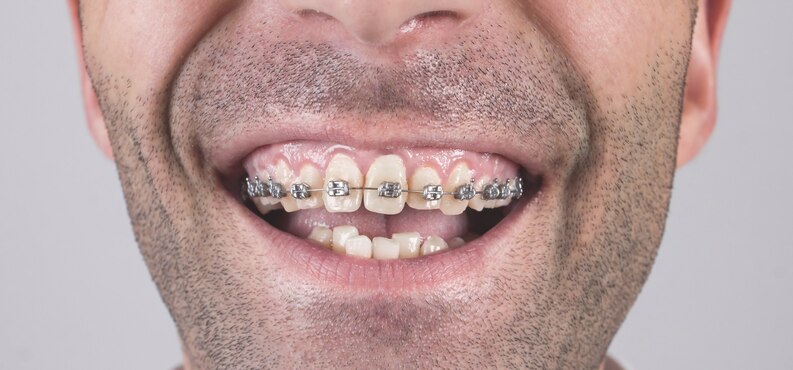
Dental braces have become a quintessential part of orthodontic care, providing solutions for a variety of dental issues such as crooked teeth, overcrowding, and misaligned bites. This guide offers an in-depth look into what dental braces are, their benefits, the different types available, the treatment process, and tips for maintaining braces.
What Are Dental Braces?
Dental braces are orthodontic devices used to correct teeth alignment and positioning issues. They consist of brackets, wires, and bands that apply continuous pressure to teeth over time, gradually moving them into the desired position. Braces can address a range of dental problems, including:
- Overcrowding
- Spacing issues
- Overbite, underbite, crossbite, and open bite
- Misaligned teeth and jaws
The Benefits of Dental Braces
- Improved Oral Health: Properly aligned teeth are easier to clean, reducing the risk of tooth decay and gum disease.
- Enhanced Appearance: Straighter teeth improve the aesthetics of your smile, boosting self-confidence.
- Better Functionality: Correcting bite issues can improve chewing and speech functions.
- Prevent Future Dental Problems: Addressing alignment issues early can prevent more severe dental problems later in life, such as excessive wear on teeth and jaw pain.
Types of Dental Braces
- Traditional Metal Braces: These are the most common type, made of high-grade stainless steel. Modern metal braces are smaller and more comfortable than those in the past.
- Ceramic Braces: These work like metal braces but are made of clear or tooth-colored materials that blend with the natural teeth, making them less noticeable.
- Lingual Braces: These braces are attached to the back of the teeth, hidden from view. They are custom-made and can be more challenging to clean and adjust.
- Self-Ligating Braces: These braces use a sliding mechanism instead of elastics to connect the archwires, resulting in less friction and easier cleaning.
- Clear Aligners: Popular brands like Invisalign offer a series of custom-made, clear plastic trays that gradually shift teeth into place. They are removable and nearly invisible, making them a popular choice for adults and teens.
The Treatment Process
The process of getting braces typically involves several stages:
- Initial Consultation: Your orthodontist will evaluate your dental condition, take X-rays, photographs, and impressions of your teeth to create a personalized treatment plan.
- Fitting the Braces: During this appointment, the orthodontist will clean your teeth and attach the brackets using a special adhesive. The archwire is then threaded through the brackets and secured with elastic bands.
- Regular Adjustments: You’ll need to visit your orthodontist every 4-8 weeks for adjustments. These appointments are essential for monitoring progress and making necessary modifications to the braces.
- Wearing Retainers: After the braces are removed, you’ll need to wear retainers to maintain the new position of your teeth. Retainers can be removable or fixed.
Tips for Maintaining Braces
- Oral Hygiene: Brush after every meal and floss daily to prevent plaque buildup and tooth decay. Use an interdental brush or water flosser to clean between braces.
- Dietary Changes: Avoid hard, sticky, and sugary foods that can damage the braces or cause cavities. Cut fruits and vegetables into smaller pieces.
- Regular Dental Visits: Continue to visit your dentist for routine check-ups and cleanings to ensure your teeth and gums remain healthy during orthodontic treatment.
- Protective Gear: If you play sports, wear a mouthguard to protect your braces and teeth from injury.
Conclusion
Dental braces are a transformative orthodontic solution, offering numerous benefits for both dental health and aesthetics. With various types of braces available, there’s an option to suit different needs and preferences. Proper care and regular orthodontic visits are crucial for achieving the best results and maintaining a healthy smile. If you’re considering braces, consult with an orthodontic professional to determine the most suitable treatment for you.